





As the refreshing monsoon season gives way to drier autumn air, you might notice your hair isn't as happy. Frizz, dryness, and a sudden increase in hair fall are common complaints. The culprit could be in your shower, not your shampoo bottle.
The Post-Monsoon Hair Shift
The high
humidity during monsoon season can be a double-edged sword. While it causes frizz, it also means there's a lot of moisture in the air that your hair can absorb. As the season changes, humidity levels drop significantly. This shift to drier air can pull moisture out of your hair and scalp, leaving them parched and vulnerable. Many people experience an increase in hair fall, breakage, and a generally dull appearance during this transitional period. Your scalp's natural balance can also be thrown off, leading to either excessive dryness or an overproduction of oil to compensate.
Understanding Scalp Stripping
The term 'scalp stripping' refers to the removal of the scalp's natural protective oils, primarily sebum. Your scalp produces sebum to create a natural barrier that locks in moisture, protects against environmental pollutants, and keeps the skin supple. When this barrier is compromised, your scalp can become irritated, dry, and flaky. Paradoxically, a stripped scalp can also become greasier, as the sebaceous glands go into overdrive to replace the lost oil. This vicious cycle of dryness and oiliness weakens hair follicles and can contribute to hair fall and unhealthy-looking hair.
The Science of Water Temperature
This is where water temperature becomes a crucial factor. A steaming hot shower might feel relaxing, but it's one of the biggest culprits behind scalp stripping. Hot water dissolves the natural lipids and oils on your scalp, much like it cuts through grease on dishes. It also causes the hair's outer layer, the cuticle, to open up excessively. While slightly open cuticles allow for effective cleansing, overly raised cuticles lead to significant moisture loss, resulting in frizzy, brittle, and weak strands. Cold water, on the other hand, seals the cuticle but may not be effective at cleansing away dirt and product buildup. Lukewarm water strikes the perfect balance: it's warm enough to help shampoo cleanse effectively without being harsh enough to strip the scalp of its essential oils.
Your Ideal Lukewarm Wash Routine
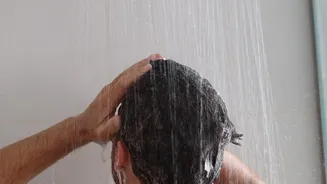
Adopting the right temperature is simple. Start your wash with lukewarm water. This temperature is comfortable and perfectly suited to help your shampoo lather and cleanse your scalp of dirt, sweat, and product residue without causing damage. Gently massage the shampoo into your scalp with your fingertips. After you've applied and worked in your conditioner, consider turning the temperature down for the final rinse. A quick rinse with cool water helps to seal the hair cuticles, which locks in the moisture from your conditioner, adds shine, and further protects against frizz.
More Post-Monsoon Hair Heroes
While adjusting water temperature is a game changer , a few other habits can support your hair through the seasonal shift . Be gentle , and use a mild , hydrating shampoo to avoid harsh detergents . This is an excellent time to incorporate a weekly deep - conditioning mask to replenish lost moisture . Look for nourishing ingredients like argan oil , shea butter , or keratin . Finally , minimise heat styling as much as possible . Since your hair is already more vulnerable to dryness , adding high heat from blow dryers or straighteners can worsen the damage . If you must use them , always apply a heat protectant spray first .