


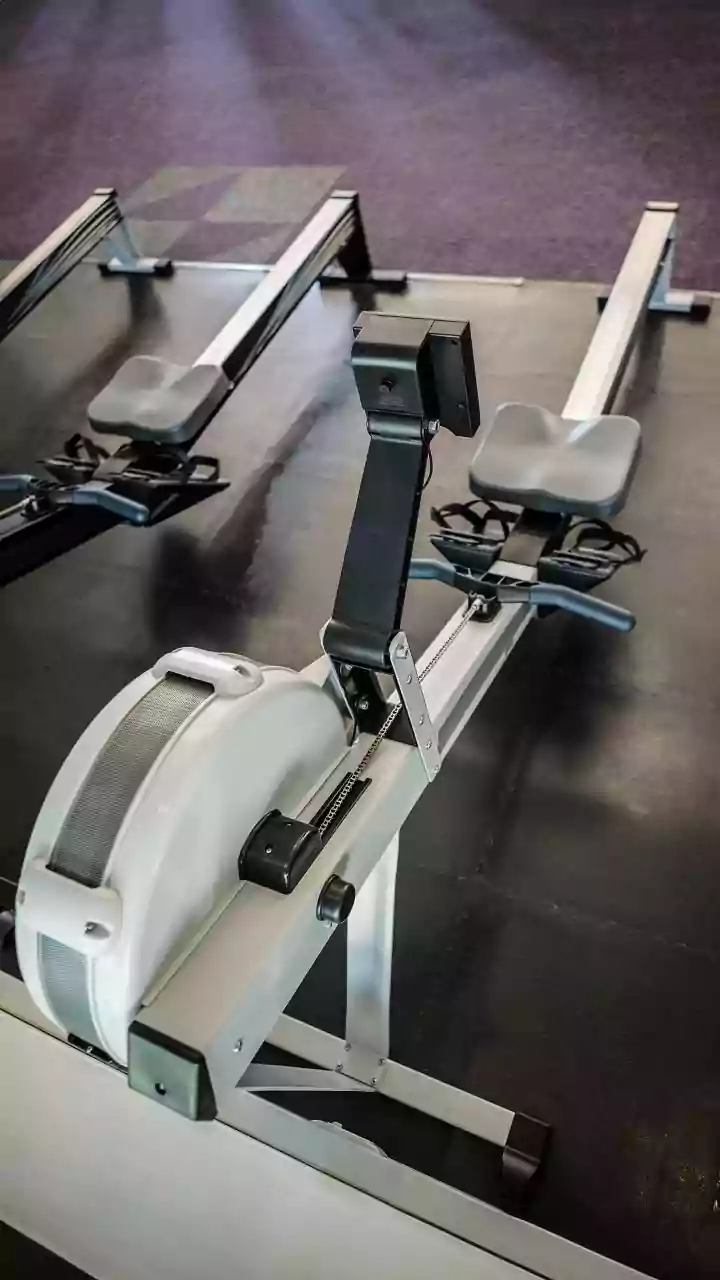

The seated row is a gym staple for building a strong, defined back. But its beginner-friendly reputation hides a crucial detail: proper form is everything. Without it, you risk injury and miss out on the real benefits of this powerful exercise.
Why the Seated Row Deserves a Spot in Your Routine
The seated
row is more than just a back-builder; it's a foundational movement for better posture and overall upper-body strength. By strengthening the muscles in your upper and middle back, like the latissimus dorsi, rhomboids, and trapezius, you counteract the slouching posture many develop from long hours at a desk. A strong back supports your spine, protects your shoulders from injury, and makes everyday tasks like carrying groceries or lifting objects feel easier. Because the movement is performed while seated and supported, it's a safe and effective way for people of all fitness levels to build pulling strength.
Setting Up for Success: Your Pre-Lift Checklist
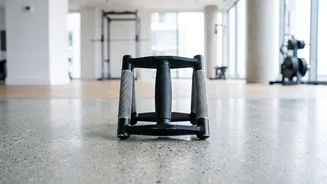
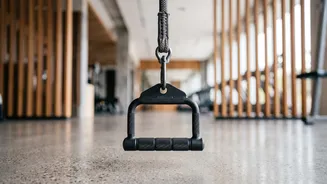
Proper setup is the first step to a perfect rep. On a cable machine, start by attaching your desired handle—a V-bar (close grip) is excellent for beginners. Sit on the bench facing the machine and place your feet firmly on the footplates with your knees slightly bent. Your knees should never be locked straight. Grab the handle and slide back until your arms are fully extended and there is tension on the cable, but the weight stack hasn't lifted yet. Your torso should be upright with your chest up and shoulders pulled back and down. Before you even pull, engage your core to keep your spine stable.
Executing the Perfect Row: A Step-by-Step Guide
The movement itself is a controlled pull. First, initiate the row by squeezing your shoulder blades together. Think of this as the start of the movement, even before your arms bend. Then, drive your elbows straight back, keeping them close to your sides. Pull the handle towards your torso until it touches your stomach or lower ribs. At this peak contraction, pause for a second and squeeze your back muscles. The return is just as important. Slowly extend your arms and let the weight pull your shoulder blades forward for a good stretch, taking about two to three seconds to return to the start. Control is key; avoid letting the weight stack crash down.
Common Mistakes and How to Fix Them
Many lifters sabotage their progress with a few common errors. The most frequent is using too much weight, which leads to using momentum. If you're swinging your torso back and forth to move the weight, it's too heavy. Keep your torso stable and upright. Another error is rounding your back, which puts your spine at risk. Maintain a straight, neutral spine by keeping your core braced. Also, watch for shrugging your shoulders up towards your ears; they should stay down and back. Finally, don't just pull with your arms. The primary work should come from your back, which you can ensure by initiating the pull with your shoulder blades.
Exploring Variations for a Stronger Back
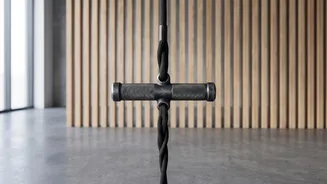
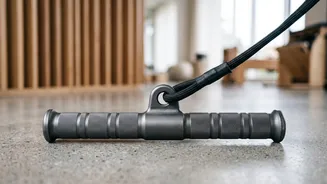
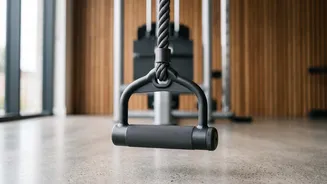
Once you've mastered the standard form, you can use different handle attachments to target your back muscles in new ways. A wide-'grip bar', where you pull the bar toward your chest with your elbows flared out, shifts the focus more to your upper back and rear deltoids. Using an underhand grip on a straight bar can increase bicep and lower lat involvement. A rope attachment allows for a greater range of motion and helps you focus on squeezing at the peak of the movement. You can also perform the exercise one arm at a time with a D-'handle' to address any muscle imbalances between your left and right sides.
Knowing When It's Time to Add More Weight
Progressive overload is how muscles get stronger, but adding weight too soon compromises form. The rule of thumb is to focus on your reps first. Aim for a rep range, such as 8-'12 reps per set'. Once you can comfortably complete all of your sets at the top of that range (e.g., '12 reps') with perfect form for two consecutive workouts, it's time to increase the weight slightly. When you add weight, your reps will likely drop back down to the lower end of the range (e.g., '8 reps'), and you'll work your way back up again. This ensures you're building real strength, not just learning to cheat the movement.