




Prioritise Protein for Satiety
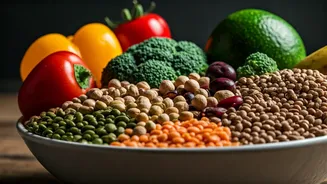
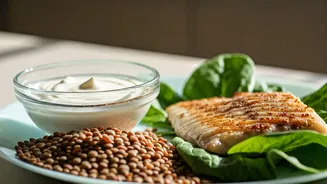
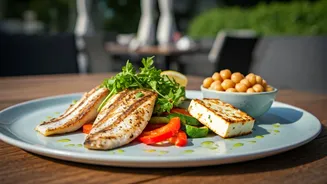
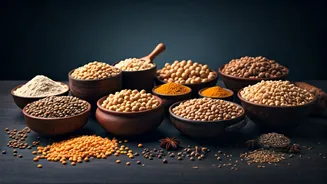
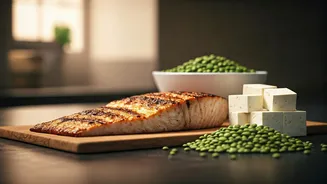
The secret to a snack that actually keeps you full is protein. It helps regulate appetite and prevents the energy crash that often follows carb-heavy snacks. Instead of reaching for a packet of chips, think protein-first. A small bowl of thick dahi (yogurt)
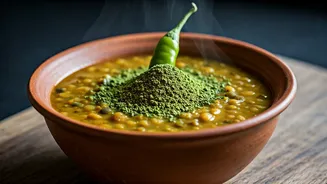
seasoned with jeera powder, a few cubes of lightly spiced paneer, or a handful of boiled and seasoned chickpeas are excellent choices. These options not only satisfy hunger but also provide essential amino acids for muscle repair and overall body function. Sprouted moong dal, lightly steamed and tossed with lemon juice and chaat masala, is another fantastic, high-protein option that's both delicious and light.
Embrace Fibre-Rich Powerhouses
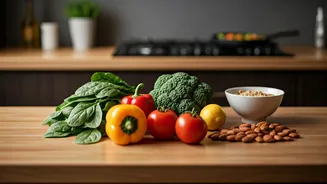
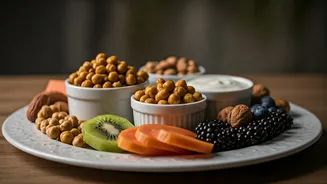
Fibre is your friend for digestive health and sustained energy release. It slows down sugar absorption, preventing sharp spikes and dips in blood glucose. Roasted makhana (fox nuts) are a brilliant snack—low in calories, rich in fibre, and incredibly versatile. Simply roast them in a teaspoon of ghee and sprinkle with salt and pepper. Another classic is roasted chana (chickpeas), which offers a satisfying crunch along with a healthy dose of fibre and protein. Whole fruits like apples, pears, and guavas are also packed with fibre and vitamins. Keeping these on hand makes it easy to make a healthy choice when hunger strikes.
Incorporate Healthy Fats
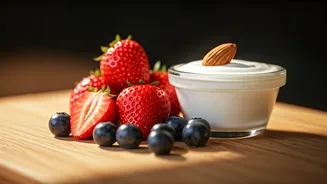
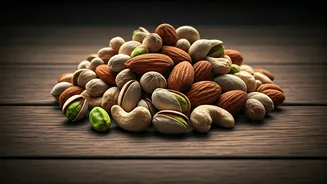
Fats have been unfairly demonised for years, but the right kinds are crucial for brain health, hormone production, and absorbing certain vitamins. A small handful of almonds, walnuts, or cashews provides a powerful mix of healthy fats, protein, and fibre. Nut butters, like peanut or almond butter, are also great. Try spreading a tablespoon on a slice of apple or a whole-wheat cracker for a balanced and filling snack. A sprinkle of seeds like pumpkin, sunflower, or flax on your dahi or in a smoothie can also boost your healthy fat intake effortlessly.
Plan Your Snacks in Advance
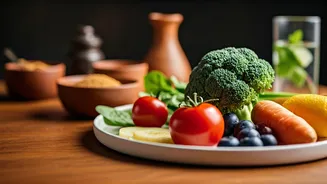
The biggest enemy of healthy snacking is a lack of preparation. When you're hungry and have no good options available, it's easy to grab the most convenient, often unhealthy, item. Take 20 minutes over the weekend to prepare your snacks for the week. Portion out nuts and seeds into small bags, chop up some carrots and cucumbers to have with hummus, or roast a large batch of makhana. Having these 'grab-and-go' options ready removes the guesswork and makes sticking to your wellness goals much simpler. This small habit can make a massive difference in your daily nutrition.
Rethink Your Drink
Sometimes, our bodies mistake thirst for hunger. Before you reach for a snack, have a glass of water and wait 15 minutes. If you're still hungry, then eat. But you can also make your beverages work for you. A glass of chaas (buttermilk) is a classic Indian cooler that’s not only hydrating but also a great probiotic. Unsweetened coconut water is another excellent choice, packed with electrolytes to help you rehydrate and refresh, especially in a hot climate. These drinks can satisfy that 'I need something' feeling without adding empty calories.
Mind Your Portions
Even healthy snacks can contribute to weight gain if eaten in large quantities. A 'serving' of nuts is just a small, closed handful, not half the container. The goal of a snack is to bridge the gap between meals, not to become a meal in itself. To avoid mindless overeating, portion your snack into a small bowl instead of eating directly from the packet. Pay attention to your body's hunger and fullness cues. Eat slowly and savour each bite. This practice of mindful eating not only helps with portion control but also improves digestion and your overall relationship with food.