







Why Your Snacks Matter
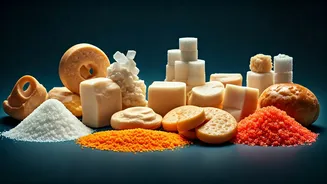
Snacking itself isn't the enemy. In fact, smart snacking can be a powerful tool to manage hunger, maintain energy levels, and even boost your nutrient intake between meals. The problem arises when the snacks we reach for are ultra-processed and high in refined
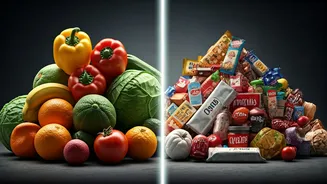
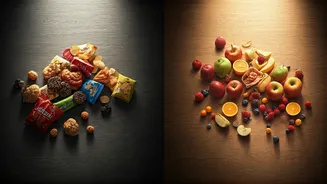
sugars, unhealthy fats, and sodium. These options can lead to energy crashes, weight gain, and a higher risk for chronic health issues. Think of snacks as either a bridge or a barrier to your health goals. A well-chosen snack can bridge the gap between meals, keeping your blood sugar stable and your focus sharp. A poor choice, however, can be a barrier, derailing your good intentions and leaving you feeling sluggish.
The Anatomy of a 'Smart' Snack
So, what makes a snack 'smart'? The most effective and satisfying snacks typically combine two key components: protein and fibre. This dynamic duo works together to keep you feeling full and energized for longer. Protein is crucial for muscle repair and promoting satiety, while fibre aids digestion and helps stabilize blood sugar levels. A snack that balances these macronutrients, along with a source of healthy fats and complex carbohydrates, is the gold standard. This combination slows down digestion, preventing the sharp spikes and subsequent crashes in energy that you get from sugary, refined snacks.
The Unhealthy Drawer Audit
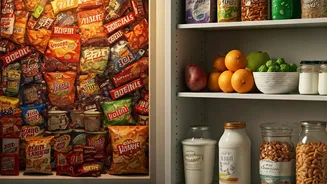
Let’s be honest. Many snack drawers are home to some common culprits. Deep-fried items like samosas, kachoris, and packaged chips are often high in unhealthy fats and sodium. Sugary biscuits, cookies, and traditional Indian sweets like jalebi or gulab jamun provide a quick hit of energy followed by an inevitable slump. Even seemingly innocent options like many breakfast cereals or ready-to-eat namkeen can be packed with hidden sugars and refined flour (maida), offering little nutritional value. While these treats are fine in moderation, having them as your daily go-to can sabotage your health efforts.
Restock with These Powerhouses
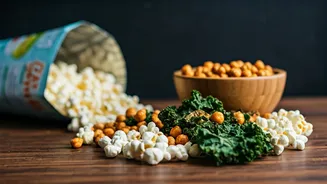
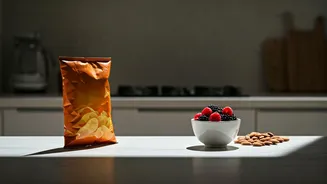
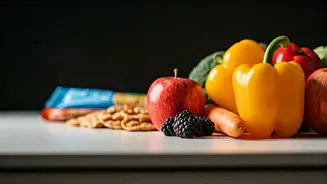
It's time to restock with snacks that work for you, not against you. Thankfully, India offers a wealth of healthy, delicious options. Consider roasted makhana (fox nuts), which are light, crunchy, and low in calories. Roasted chana is another fantastic high-protein and high-fibre choice. A small handful of mixed nuts and seeds provides healthy fats and sustained energy. For something fresh, pair an apple with peanut butter or have a bowl of yogurt with fresh fruit. Other great options include sprout chaat, paneer cubes, whole-grain crackers with hummus, or even a simple boiled sweet corn. These options are not only nutritious but also genuinely satisfying.
Beyond the Drawer: Mindful Snacking
Reforming your snack drawer is the first step, but changing your snacking behaviour is just as important. Before you reach for a snack, pause and ask yourself: am I truly hungry, or am I bored, stressed, or thirsty? This practice of mindful eating can help you distinguish between physical hunger and emotional cravings. If you are genuinely hungry, then by all means, have a snack. But try to do so without distractions like your phone or TV. Portion out your snack into a small bowl instead of eating directly from the bag. By savouring each bite, you'll not only enjoy your food more but may also find that a smaller amount is enough to feel satisfied.