






Escaping the 'All or Nothing' Trap
The most common reason fitness goals fail is the 'all-or-nothing' mindset. We believe that for exercise to be effective, it must be a long, intense, sweat-drenched session at the gym. When life gets busy and we can't fit in that perfect hour, we do nothing at all.
This perfectionism is the enemy of progress. A short workout, however, dismantles this barrier. The goal is no longer a perfect, lengthy session, but simply to show up. Research shows that consistency is far more effective for long-term health than sporadic, high-intensity training. By lowering the bar to just 10 minutes, you make the act of starting so easy it's almost impossible to say no.
The Undeniable Power of Consistency
From a psychological perspective, habits are built through repetition, not duration. Every time you complete your 10-minute routine, you cast a vote for your new identity as 'someone who exercises daily'. This creates a powerful feedback loop. Studies on habit formation show that small, repeatable actions are the foundation of lasting change. One study found that short, 10-minute exercise bouts were at least as effective as one long session for encouraging adherence and weight loss, because the commitment feels more manageable. This consistency builds momentum; you're not just exercising, you're building self-trust and proving to yourself that you can follow through.
More Than Just a Habit: Real Health Benefits
But can 10 minutes actually improve your health? The scientific consensus is a resounding yes. Research confirms that accumulating exercise in short bursts throughout the day provides similar health benefits to one continuous session, improving outcomes for blood pressure, cholesterol, and cardiorespiratory fitness. Studies on high-intensity interval training (HIIT) show that even brief sessions can be more efficient for improving fitness than longer, moderate-intensity workouts. Just five to six minutes of vigorous daily activity has been linked to a significantly lower risk of all-cause mortality. These short workouts improve insulin activity, boost mood, and can help maintain muscle mass, especially in adults over 40.
Your 10-Minute Action Plan
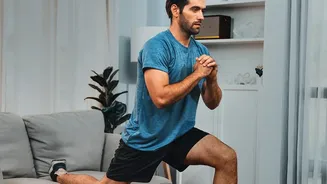
Getting started is simple because you don't need a gym or special equipment. The key is to choose movements that can be done anywhere. A simple and effective 10-minute workout could look like this: a circuit of bodyweight exercises where you perform each for 45 seconds, followed by 15 seconds of rest. Try a rotation of squats, push-ups (on knees if needed), lunges, and a plank. Alternatively, a brisk 10-minute walk, especially after a meal, can help regulate blood sugar and improve your mood. You can also try 'movement stacking' by linking a mini-workout to an existing daily habit, like doing calf raises while your coffee brews or squats while brushing your teeth. The best workout is the one you will actually do, so pick something you find enjoyable and accessible.