








The Chronic Spoilage Problem
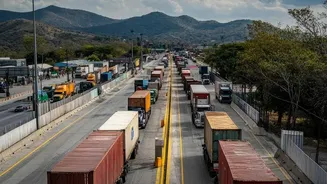
For generations, apple growers in Kashmir have faced a formidable challenge: getting their produce from the orchard to markets across India before it spoils. The journey is fraught with peril. Inadequate storage, poor harvesting techniques, and logistical
nightmares like the frequent closure of the Srinagar-Jammu National Highway have historically led to staggering losses. In some cases, post-harvest losses in India can range from 15% to as high as 50%. This forces many farmers into distress sales, where they must sell their entire crop immediately after harvest when the market is flooded and prices are at their lowest. This systemic inefficiency not only wastes a significant portion of the harvest but also suppresses the income of lakhs of families who depend on apple cultivation for their livelihood.
The Rise of Farmer Collectives
In response to these deep-rooted issues, farmer cooperatives and Farmer Producer Organisations (FPOs) have emerged as a powerful force for change. By pooling their resources, small and medium-sized growers can achieve economies of scale that were previously unattainable. Instead of acting alone, these cooperatives can collectively invest in infrastructure, negotiate better prices for transportation, and gain direct access to larger markets. This collective bargaining power is crucial in an industry where individual farmers are often at the mercy of middlemen and volatile market conditions. Cooperatives provide a structure for farmers to work together, sharing both the risks and the rewards, and creating a more resilient and equitable system for all members.
Harnessing the Power of the Cold Chain
The cornerstone of this transformation is the adoption of modern cold chain logistics, particularly Controlled Atmosphere (CA) storage. A CA facility is far more advanced than a conventional cold room. It involves precisely managing temperature, humidity, and the levels of oxygen and carbon dioxide within a sealed chamber. This process dramatically slows down the ripening of the apples, extending their shelf life from a few weeks to several months without losing their crispness and quality. By storing their A-grade produce in CA stores, farmers are no longer forced to sell immediately after harvest. This allows them to bypass the seasonal price slump and strategically release their apples into the market when demand is high, often months later, fetching significantly better returns.
A New Journey for the Kashmiri Apple
The optimised supply chain looks vastly different. Instead of being hastily packed in wooden boxes and loaded onto trucks, apples are now carefully sorted and graded. The best quality fruit is sent to CA stores. This is complemented by an expanding network of refrigerated vans that ensure the produce remains at an optimal temperature during transit, minimising spoilage on the journey to markets in Delhi, Mumbai, and beyond. This integrated approach, from farm gate to storage to transport, has been a game-changer. It has allowed growers to avoid distress sales, reduce their dependence on middlemen, and maintain the quality of their product, which translates to a stronger brand reputation for Kashmiri apples.
Challenges and the Road Ahead
Despite this progress, significant challenges remain. The current CA storage capacity in Kashmir, while growing, is still estimated to be only about half of what the industry requires. Access can also be an issue, with larger traders sometimes booking out facilities, leaving smaller farmers struggling for space. Furthermore, the high cost of energy and unreliable power supply can make running these facilities expensive, with costs passed on to growers. Experts argue that for the full potential of cold logistics to be realised, it must be paired with other solutions like crop insurance, more processing plants for lower-grade fruit, and continued government support through subsidies to make storage affordable for all.