




The Anatomy of a Podi Pizza
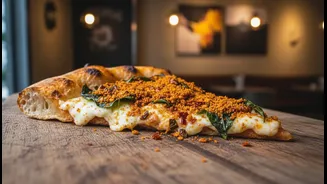
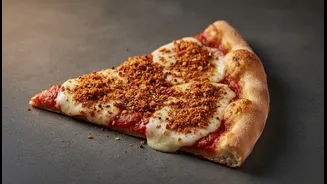
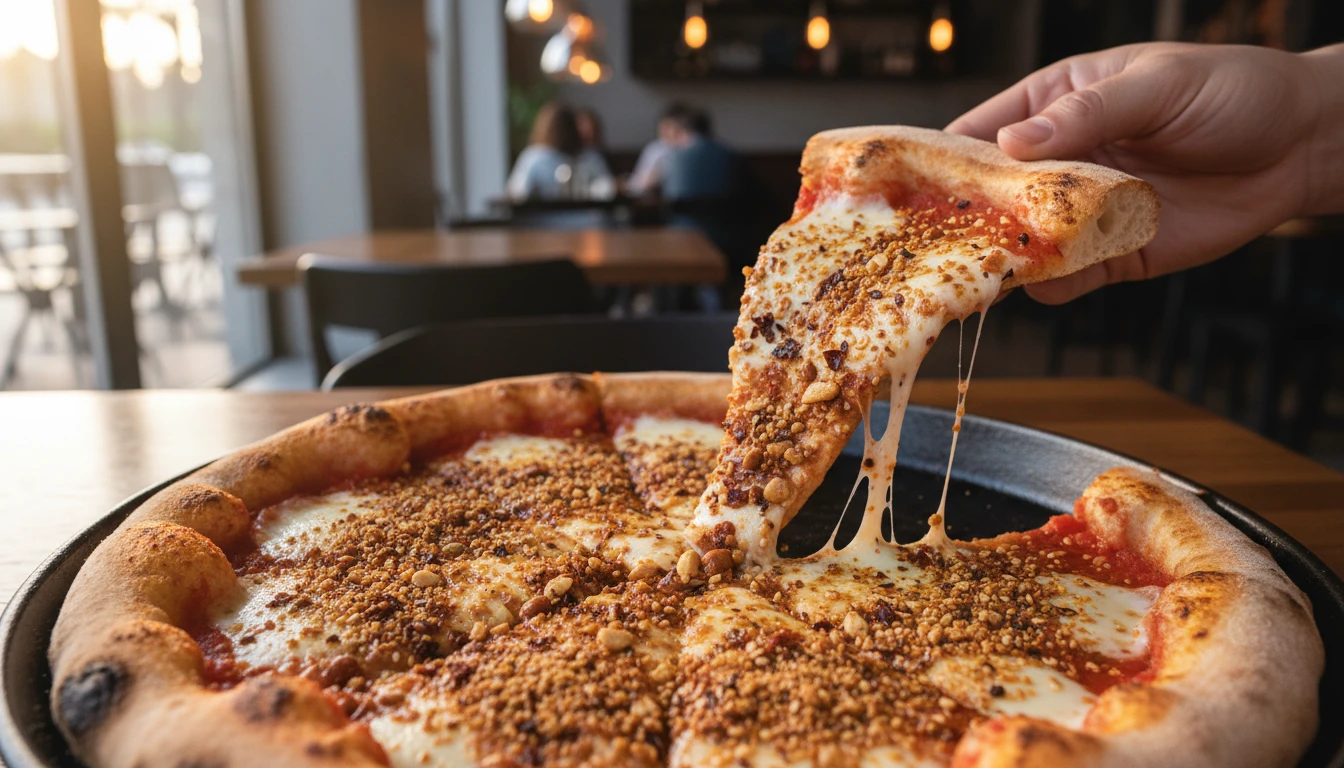
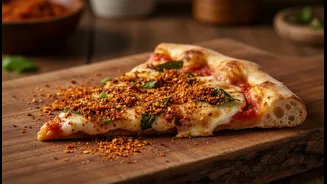
At its heart, this trend is a simple but brilliant fusion: the beloved Italian-American pizza meets 'podi', a staple condiment from South India. The word 'podi' simply means 'powder' in languages like Tamil and Telugu. It’s not just one powder, but a whole
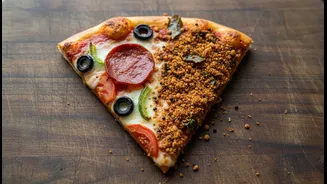
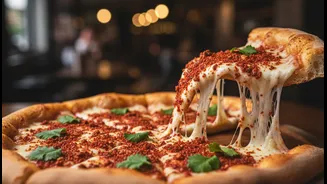
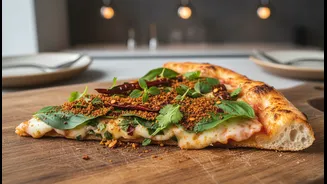
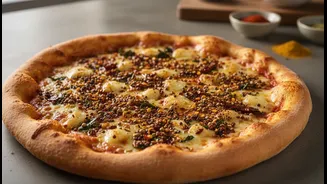
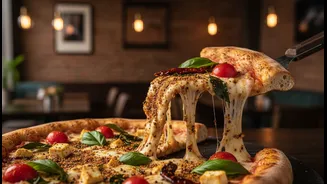
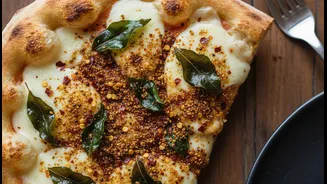
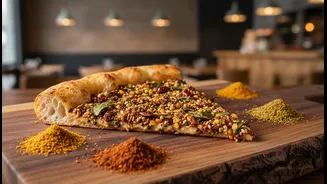
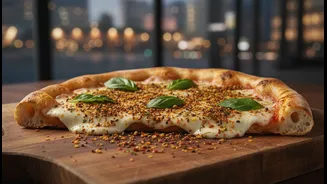
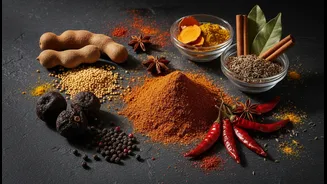
family of dry, coarse-ground spice and lentil mixes. The most famous variant is 'milagai podi' (chilli powder), often called 'gunpowder' for its explosive flavour, made from roasted lentils, sesame seeds, and fiery red chillies. In the podi pizza, this flavour bomb is sprinkled generously over a cheesy, oven-baked crust, replacing the traditional Italian herbs and creating a dish that is at once familiar and thrillingly new.
A Symphony of Micro-Flavors
The genius of this trend lies in its diversity. There isn't just one 'podi,' but dozens of regional and household variations, each offering a unique profile. Some cafes might use a nutty, protein-rich 'paruppu podi' (lentil powder) for a milder, more savory taste. Others might opt for a 'karuveppilai podi' (curry leaf powder), which brings an aromatic, slightly bitter complexity. These powders introduce textures and tastes that are quintessentially Indian — earthy, spicy, nutty, and deeply savory. Served with a drizzle of ghee or sesame oil instead of chili oil, the fats meld with the dry spices, unlocking their aroma and creating a richer mouthfeel that beautifully complements the melted cheese.
From Humble Staple to Urban Star
For generations, podi has been a cornerstone of South Indian home cooking, a quick and comforting flavour-enhancer mixed with rice and ghee or served with idlis and dosas. Its journey from the home pantry to the menu of a trendy urban cafe is a story of cultural confidence. Chefs and restaurateurs are looking inward, recognizing the power of indigenous ingredients and traditions. This isn't about awkwardly forcing two cuisines together; it's about finding a new, global stage for a beloved local flavour. The pizza, a universal canvas, becomes the perfect medium to introduce these specific, regional Indian tastes to a wider, more experimental audience, particularly millennials and Gen Z diners.
The Philosophy of Fusion
Chefs behind this movement see it as a natural evolution of Indian food. They are not just creating novelty dishes, but telling a story of their own layered, globalized identities. By placing a hyper-local ingredient like podi onto a global platform like pizza, they are challenging outdated notions of what constitutes 'authentic' Indian food. It's a culinary dialogue where the rules are fluid. This approach is being seen across the country and even abroad, with chefs using everything from tandoori chicken to palak paneer on pizza crusts, but the podi pizza stands out for its focus on a condiment rather than a full-fledged curry. This shows a deeper, more nuanced understanding of flavour-building.
A Trend with Taste and Substance
While some may dismiss fusion food as a fleeting fad, the podi pizza phenomenon feels more substantial. It taps into a broader shift where diners are increasingly curious about regional specificity and authentic flavour, even within an experimental format. Cafes like Gourami in Mumbai have won over even skeptical food critics by staying true to the flavour of the podi, using high-quality ingredients and focusing on the delightful contrast of textures. It succeeds because it's not about dilution, but about elevation. It takes a flavour profile beloved for its intensity and finds a new, exciting way to present it, proving that the heart of Indian flavour can beat strong in the most unexpected of dishes.