



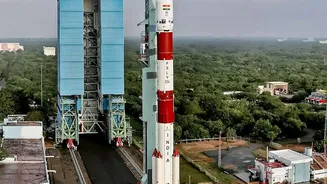


A Galaxy of Opportunity Opens Up
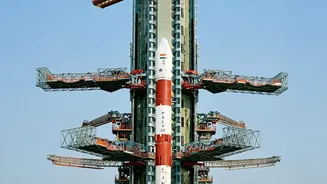
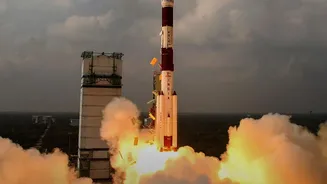
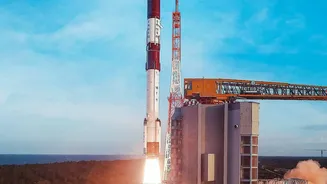
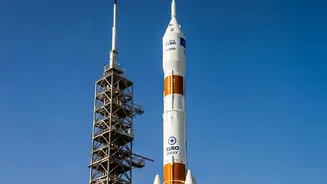
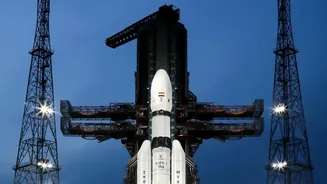
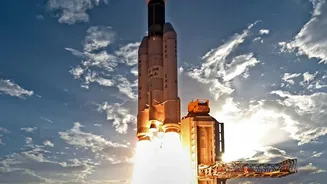
For decades, the Indian Space Research Organisation (ISRO) was the sole custodian of India's space ambitions. Private companies were largely limited to being component suppliers. That all changed in June 2020, when the government announced historic reforms
to open the space sector to private enterprise. The goal was to transform the ecosystem from a government-led program to a dynamic public-private partnership. This policy shift was designed to allow ISRO to focus on strategic research, deep space exploration, and national missions, while private players could drive commercialisation and innovation in areas like satellite building and launch services. This move is projected to help India's space economy grow from around $9 billion to over $40 billion by the next decade, increasing its global share from 2% to a target of 8%.
IN-SPACe: The Single-Window Facilitator
At the heart of this transformation is the Indian National Space Promotion and Authorisation Centre (IN-SPACe), established as an autonomous single-window agency. Its role is to bridge the gap between ISRO and the private sector. IN-SPACe is responsible for authorising, promoting, and supervising the activities of Non-Governmental Entities (NGEs), hand-holding them from ideation to execution. A crucial part of its mandate is enabling startups to access ISRO's world-class infrastructure, including testing facilities, launch pads, and technical expertise, which would be prohibitively expensive for a new company to build from scratch. This support de-risks development and dramatically shortens timelines, allowing startups to focus on innovation rather than infrastructure.
The Startups Taking Flight
This new collaborative environment has led to an explosion in the number of space startups, growing from a handful in 2020 to over 400 today. Companies like Skyroot Aerospace and Agnikul Cosmos are at the forefront. Skyroot, which recently launched India's first privately developed orbital rocket, Vikram-1, signed a framework MoU with the Department of Space to access ISRO facilities and expertise for testing its systems. Similarly, IIT-Madras-incubated Agnikul Cosmos, the first company to sign an agreement under IN-SPACe, received extensive support from multiple ISRO centres for its suborbital launch, which featured the world's first single-piece 3D-printed engine. This hands-on support included site selection, launch pad setup, safety planning, and real-time tracking.
More Than Just Rockets
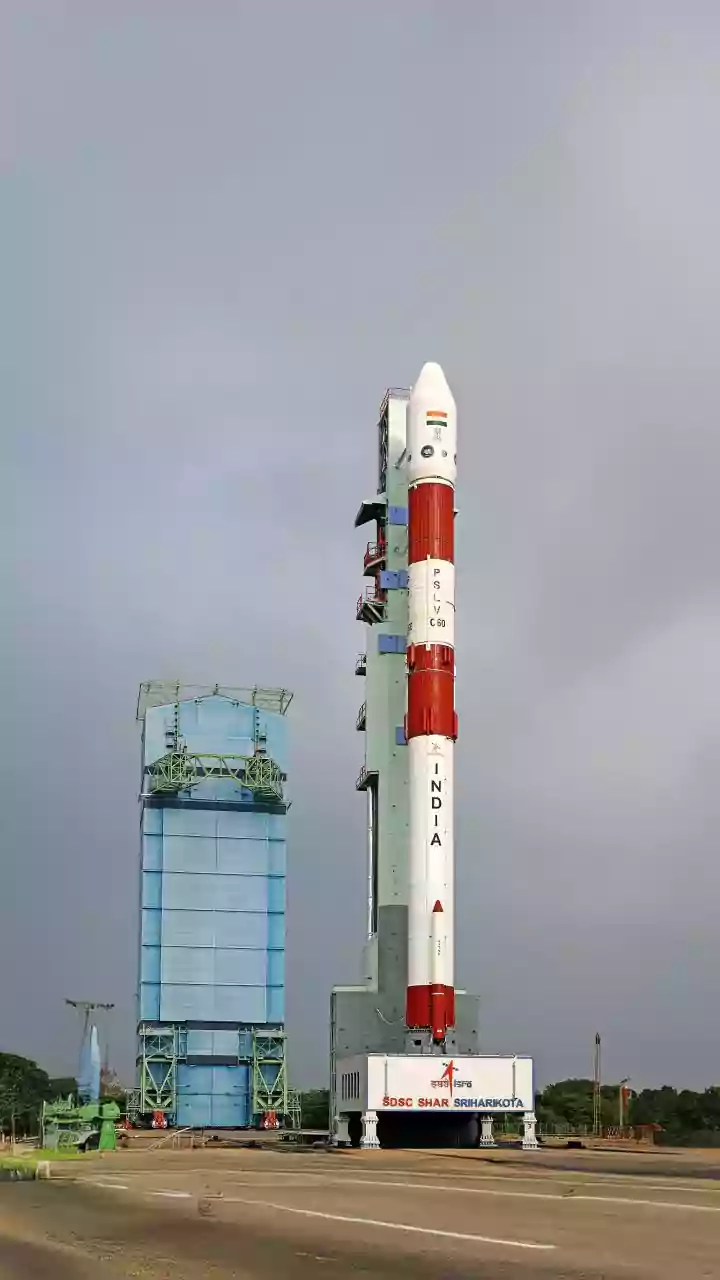
The partnership extends far beyond launch vehicles. Another key player, NewSpace India Limited (NSIL), ISRO's commercial arm, focuses on commercialising space technologies. It transfers ISRO-developed technologies to industry, enabling private firms to build and market products. This has opened up the entire space value chain. Bengaluru-based Pixxel, for instance, is building India's first commercial constellation of hyperspectral Earth-imaging satellites. It secured a deal with NSIL to launch its first satellite aboard a PSLV rocket and has since partnered with ISRO on various fronts. These startups are not just launching hardware; they are building businesses around satellite data analytics for agriculture, climate monitoring, and defence, creating a robust downstream market.
A Symbiotic Future
The relationship is mutually beneficial. By collaborating with startups, ISRO is creating a vibrant domestic supply chain, fostering a competitive market, and accelerating the pace of innovation. It also allows the agency to earn revenue by leasing its facilities and technologies. To further catalyse this growth, the government has introduced financial incentives, including price-support schemes that offer subsidies of 30-50% on launch services, facility usage, and technology transfer fees. This model, which some compare to the relationship between NASA and SpaceX, is creating a powerful ecosystem where public legacy and private agility combine. The startups stand on the shoulders of ISRO's decades of research, while ISRO gains new-age industry partners to help fulfil India's ambitious space dreams.