

Make Drying a Non-Negotiable Ritual
The single most important habit during the rains is to keep your pet thoroughly dry. Damp fur, especially in thick-coated breeds, is a breeding ground for bacteria and fungi. After every walk, whether it was in the rain or not, pat your pet dry with a clean,
absorbent towel. Pay special attention to their belly, paws, underarms, and skin folds where moisture loves to hide. For pets with dense fur, a towel may not be enough. Consider using a blow dryer on a cool and low setting to ensure their undercoat is completely dry.
Prioritise Paw Care
Paws are on the frontline during the monsoon, constantly in contact with muddy puddles and wet surfaces. This makes them highly susceptible to infections. Make it a rule to clean and dry your pet’s paws after every single walk. A simple rinse with lukewarm water followed by thorough drying between the toes can work wonders. It's also a good idea to keep the hair between their paw pads trimmed short to improve airflow and prevent moisture and debris from getting trapped.
Don't Skip the Brush
Regular brushing is more important than ever during the monsoon. Daily brushing helps remove dirt, debris, and loose fur that can trap moisture against the skin. It also prevents matting, which is a common problem with damp fur and can lead to painful skin irritation and hidden infections. Furthermore, brushing distributes the coat's natural oils, which helps maintain a healthy skin barrier. For long-haired breeds, daily brushing is essential; for short-haired pets, a few times a week will suffice.
Rethink Your Bathing Schedule
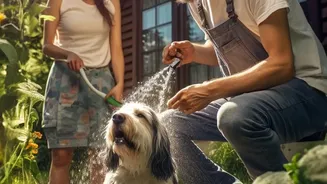
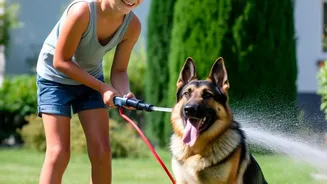
While it may seem logical to bathe your pet more often when they are constantly getting dirty, over-bathing can be counterproductive. Frequent baths can strip the skin of its natural oils, compromising its protective barrier and leading to dryness and irritation. Unless your pet is extremely muddy, stick to a bathing schedule of once every two to three weeks. When you do bathe them, use a vet-recommended mild, anti-fungal, or antibacterial shampoo to help combat monsoon-related skin issues. And, of course, ensure they are dried completely afterwards.
Keep Their Environment Clean and Dry
Your pet’s internal environment is just as important as their coat. The high humidity can make their bedding, toys, and living spaces damp, encouraging the growth of mould and bacteria. Ensure their sleeping area is clean, dry, and well-ventilated. Wash their bedding regularly in hot water and dry it completely. A clean and dry living space reduces the overall exposure to allergens and pathogens, giving their skin a better chance to stay healthy.
Watch for the First Signs of Trouble
Prevention is key, but it's also crucial to be vigilant and catch any potential problems early. Regularly inspect your pet’s skin for any signs of trouble. Look for redness, rashes, bald patches, a musty odour, or pus-filled bumps. Also, watch their behaviour. Excessive scratching, licking, or chewing at a particular spot is often the first indicator that something is wrong. If you notice any of these signs, don't wait for it to get worse. It's best to consult a veterinarian for a proper diagnosis and treatment plan.