




The Tale of Two Monsoons
The secret to planning a trip to coastal South India lies in understanding its two separate monsoon systems. The primary Southwest Monsoon drenches the west coast—think Kerala, Goa, and Karnataka—from roughly June to September. This is a period of heavy,
consistent rain. Conversely, the Northeast Monsoon affects the east coast, including Tamil Nadu and Puducherry, bringing rain between October and December. This staggered weather pattern means that one coast is typically dry and sunny while the other is wet. For travellers, this is fantastic news: there is always a coastal region in South India that's in its prime season.
West Coast Bliss: Kerala and Goa
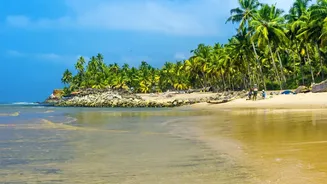
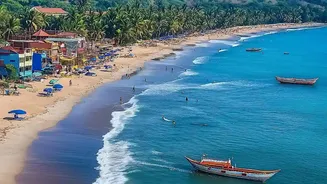
The ideal time to visit the Arabian Sea coastline of states like Kerala and Goa is from October to March. During these months, the Southwest Monsoon has passed, leaving behind lush green landscapes, dry weather, and pleasantly warm temperatures. The seas are generally calmer, making it perfect for swimming, sunbathing, and enjoying the serene backwaters of Kerala. This is the peak tourist season, so expect clear skies and vibrant beach life in popular spots like Varkala, Kovalam, and the beaches of Goa. From April, the heat and humidity begin to build, leading into the monsoon which starts around June.
East Coast Charm: Tamil Nadu and Puducherry
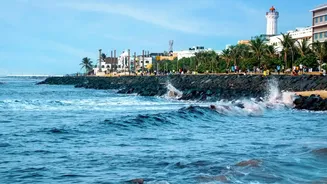
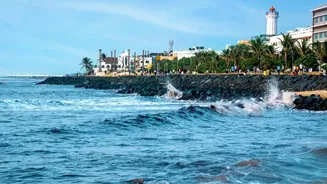
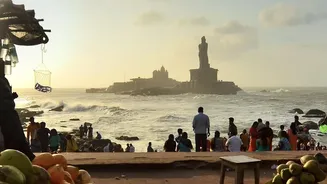
For the Bay of Bengal coast, the script is flipped. While the west coast is soaked by the Southwest Monsoon from June to September, the east coast remains relatively dry, albeit hot. The prime travel window for Tamil Nadu and Puducherry is from January to March, after the Northeast Monsoon's rains have subsided. This period offers comfortable weather for exploring ancient temples in Mahabalipuram or relaxing in the coastal town of Puducherry. The Northeast Monsoon, which runs from October to December, can bring heavy rains and is also the main cyclone season for this coast, making it a period to plan around.
A Surfer's Guide to South Indian Waves
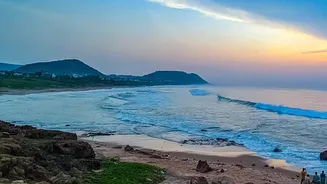
Surfers operate on a slightly different calendar, often chasing the swells generated by monsoon winds. The best surf season doesn't always align with the calmest, sunniest weather. On the East Coast, spots like Covelong Point and Mahabalipuram in Tamil Nadu come alive from roughly May to September. The powerful swells during this time are an indirect effect of the Southwest Monsoon happening far across the subcontinent. Conversely, the West Coast's surf season, in places like Varkala in Kerala, is best during the pre-monsoon (April-May) and post-monsoon (October-November) periods, when you can find clean, manageable waves perfect for beginners and intermediates.
Tips for Smart Travel Planning
Regardless of when you go, flexibility is key. Weather patterns can shift, so always check local forecasts before your trip. Travelling during the 'shoulder' months—the time just before or after a monsoon—can be highly rewarding. You might encounter occasional showers, but you'll also benefit from lower prices, fewer crowds, and stunningly green scenery. For example, visiting Kerala in October or November means you arrive just as the main rains have finished, when the landscape is at its most vibrant. If travelling during a monsoon period, pack quick-drying clothes, waterproof gear, and be prepared for potential travel delays.