








Secure Your Spot: Registration is Mandatory
Your journey begins not at the base camp, but with securing a Yatra Permit. The Shri Amarnathji Shrine Board (SASB) manages a strict, first-come, first-served registration process. You can register either online through the official SASB website (jksasb.nic.in)
or offline at designated bank branches like PNB, SBI, and Yes Bank. The registration fee is approximately ₹150 for Indian pilgrims. For NRIs and foreign nationals, the fee is around ₹1550, and the process is handled via email with Punjab National Bank. A crucial part of your application is the Compulsory Health Certificate (CHC), which must be issued by a doctor or hospital authorized by the SASB. For the 2026 Yatra, the certificate must be dated on or after April 8th, 2026. Remember, pilgrims must be between the ages of 13 and 70, and pregnant women beyond six weeks are not permitted.
Health and Fitness: Prepare for High Altitude
The Amarnath trek is physically demanding, reaching altitudes of nearly 13,000 feet where oxygen levels are low. To ensure your safety, physical preparation is non-negotiable. Start preparing at least a month in advance by walking or jogging 4-5 kilometres daily to build stamina. Incorporating deep breathing exercises and yoga, particularly Pranayama, can help your body adapt to lower oxygen levels. Before you leave, get a thorough medical check-up. Acclimatisation is key to avoiding Acute Mountain Sickness (AMS); plan to spend at least a day at the base camp (Pahalgam or Baltal) before starting your trek. Stay well-hydrated by drinking 4-5 litres of water daily on the trail and listen to your body—if you experience symptoms like dizziness, nausea, or severe headaches, rest and seek medical attention immediately.
Choose Your Path: Pahalgam vs. Baltal
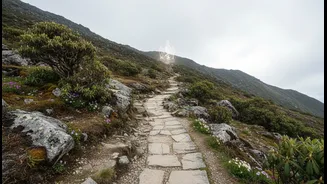
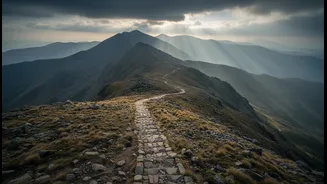
There are two main routes to the holy cave: the traditional Pahalgam route and the shorter Baltal route. The Pahalgam route is longer, stretching about 46 km, and is typically completed in 3-5 days. Its gradual ascent makes it the recommended choice for first-time yatris and those travelling with family, offering scenic views of spots like Chandanwari and Sheshnag. The Baltal route is much shorter at approximately 14 km and can be done in 1-2 days. However, it is a very steep and challenging climb, better suited for those who are young, physically fit, and short on time. Both routes lead to the same destination, but your choice will significantly shape your pilgrimage experience. For those unable to trek, helicopter services are available from both base camps to Panchtarni, which is about 6 km from the cave.
Packing Essentials: What to Carry
Packing light but smart is crucial. The weather in the Himalayas is unpredictable, with temperatures sometimes dropping below 5°C. Your clothing should be layered. Pack thermal wear, woollen sweaters, and a waterproof, wind-proof jacket. A good pair of waterproof trekking shoes with strong grip is essential; avoid slippers or sandals on the trail. Other must-haves include woollen socks, gloves, a cap (preferably a balaclava or monkey cap), and a raincoat. For ladies, a salwar kameez or track suit is more practical than a saree. Carry a small backpack with a water bottle, high-energy snacks like dry fruits and chocolates, a first-aid kit with personal medications, sunscreen, and a flashlight. Make sure to keep your Yatra Permit, RFID card, and a valid photo ID in a waterproof pouch at all times.
On the Trail: The Journey to Darshan
Once you begin the trek, always walk in a group and stay on the designated path. Do not attempt shortcuts, as they can be dangerous. Numerous 'langars' (community kitchens) along the route provide free vegetarian meals, so make sure to eat properly and not trek on an empty stomach. Porters and ponies are available for hire if you need assistance with your luggage or the trek itself. Upon arrival at the holy cave, you will have the darshan of the naturally formed ice Shiva Lingam. Follow the instructions of security personnel and shrine board officials to ensure a smooth and orderly darshan. After your pilgrimage, make sure to leave the base camp with your entire group. The entire route is monitored for safety, and every registered pilgrim is issued an RFID card for tracking.