



The Climb Back to the Summit
On Wednesday, July 29, the ICC released its latest rankings, confirming that Shubman Gill had leapfrogged New Zealand's Daryl Mitchell to become the world's top-ranked ODI batter. Gill now sits comfortably with 801 rating points, a clear seven points ahead
of Mitchell. This isn't his first taste of the top spot, but his return after a six-month gap underscores a period of remarkable consistency. His recent performances in the away series against England, where he scored multiple fifties including a sublime unbeaten 80, were instrumental in this ascent. While Mitchell's absence from New Zealand's recent series against the West Indies contributed to the shift, Gill's relentless accumulation of runs made his return to the pinnacle feel inevitable. The rankings now feature a formidable Indian top order, with Virat Kohli and Rohit Sharma holding strong at numbers three and four, respectively.
The 'Prince' and His Artistry
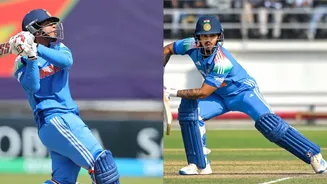
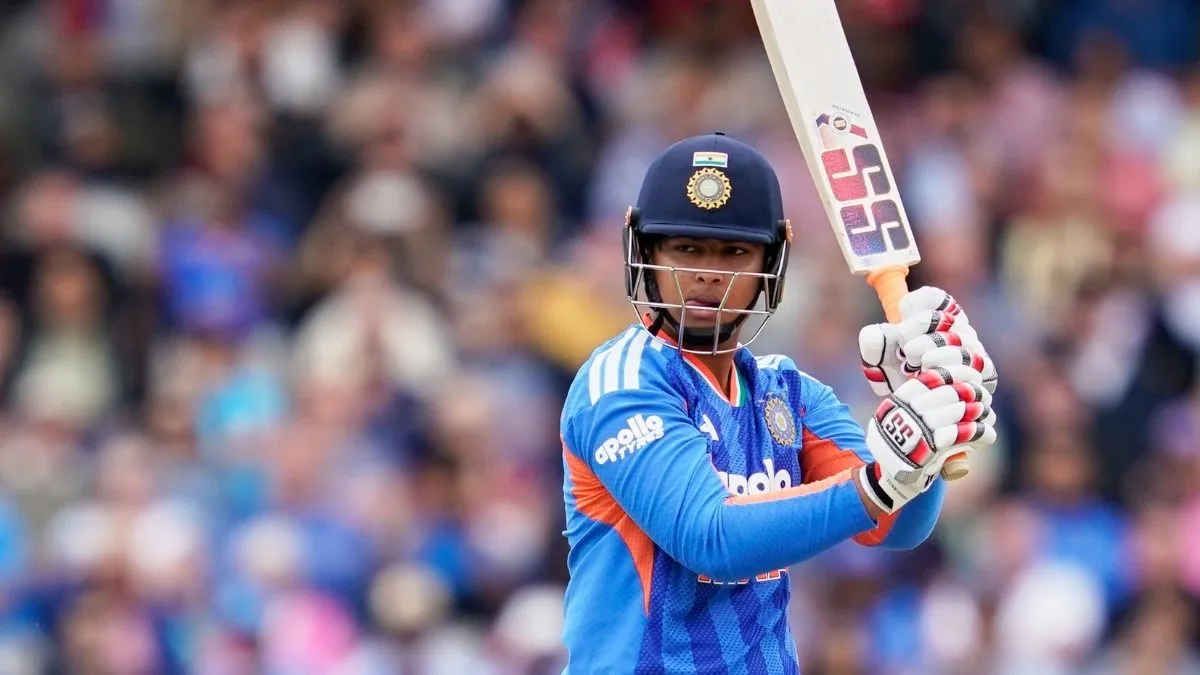
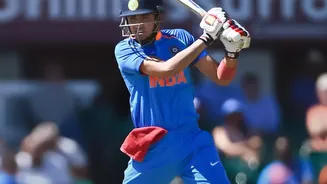
To watch Shubman Gill bat is to witness a blend of classical technique and modern audacity. He possesses a poise and elegance that has earned him the moniker 'Prince' among fans and pundits. His game is built on a foundation of superb balance, a high elbow, and a full-faced bat, reminiscent of the game's purists. Yet, he is no anachronism. His armoury includes explosive, contemporary shots—the short-arm jab-pull over mid-wicket, the wristy flicks, and the effortless drives through the off-side. This ability to marry the copybook with the innovative is what makes him so difficult to bowl to. He has an answer for every question a bowler might pose, whether it's raw pace, swinging conditions, or the guile of spin. His breakthrough 91 at the Gabba in 2021 against Australia was a coming-of-age knock that announced his Test credentials, and he has since translated that promise into consistent, match-winning performances across all formats.
A Temperament Forged in a Crucible
Beyond the breathtaking strokes, what truly sets Gill apart is his temperament. At just 26 years old, he has been appointed captain of India's Test and ODI teams, a clear signal of the leadership's faith in his maturity and cricketing brain. He handles pressure with a calm that belies his years, a quality that has been evident since his Player of the Tournament performance at the Under-19 World Cup in 2018. He has already faced the intense scrutiny that comes with being a star Indian cricketer, including questions about form and place in the side. Yet, as former players like Deep Dasgupta have noted, he is part of a core group of players who have earned a longer rope due to their consistent excellence. This mental fortitude, the ability to absorb pressure and turn it into performance, is the hallmark of a player built for a long and successful career at the highest level.
Why 2026 is Just the Beginning
The headline's claim is bold, but the evidence is compelling. Gill's rise to No. 1 is not a fleeting peak; it is the base camp for a new era of dominance. He is already the youngest player to score a double century in ODIs and the fastest to 2,000 runs in the format. Now, as captain and the team's premier batter, he is perfectly positioned to define the next cycle of Indian cricket. The year 2026 itself will see India co-host the T20 World Cup, providing a massive stage on home soil. Beyond that, the 2027 ODI World Cup looms large. Gill will be 27 years old, entering the absolute prime of his career as a batsman. He has demonstrated his class across all formats, and with the burden of captaincy now resting on his shoulders, he is set to be the central pillar around which India builds its campaigns for years to come. This isn't just about one player's form; it's about the dawn of a new leadership and a new standard of excellence for the Men in Blue.