



The New Power Couple of Wellness
If you’ve scrolled through Instagram wellness feeds or joined a virtual yoga class recently, you might have noticed a subtle but powerful shift. Instructors are no longer just counting down the seconds during a plank; they’re guiding students through controlled,
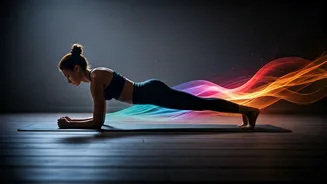
conscious breathing. This fusion of a demanding isometric exercise (the plank) with an ancient yogic breathing technique (pranayama) is more than just a fad. It represents a deeper, more integrated approach to fitness that resonates strongly with today's digital yoga communities. These 'squads' are discovering that the secret to holding a plank longer isn't just brute strength, but a focused, calm mind.
Plank: The Foundation of Strength
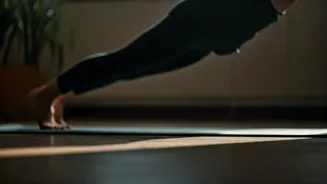
The plank is celebrated in fitness circles for its efficiency. It’s a full-body exercise that requires no equipment, strengthening not just the abdominal muscles but also the back, shoulders, glutes, and legs. Its primary challenge is endurance. As you hold the position, your muscles start to fatigue, your body begins to shake, and your mind starts screaming to give up. Traditionally, the goal has been to push through this discomfort, often by gritting your teeth and holding your breath—a strategy that actually increases tension and elevates stress hormones like cortisol. This is where pranayama changes the game entirely.
Pranayama: The Art of Breath Control
Pranayama, a foundational pillar of yoga, translates to the 'extension of the life force' or breath. It involves various techniques to consciously regulate breathing, from the calming Ujjayi (ocean) breath to the energising Bhastrika (bellows) breath. On its own, pranayama is a powerful tool for managing the nervous system. Slow, deep breathing activates the parasympathetic nervous system, our body’s 'rest and digest' mode. This reduces heart rate, lowers blood pressure, and promotes a state of calm alertness. It’s the antidote to the body's fight-or-flight stress response.
The Synergy: Mindful Muscle Engagement
When you blend planks with pranayama, something remarkable happens. Instead of letting the physical strain trigger a stress response, you use your breath to manage it. By focusing on slow, steady inhales and exhales, you keep the nervous system calm. This has several profound effects. First, it delivers a more consistent flow of oxygen to your working muscles, delaying fatigue and allowing you to hold the pose with better form and for longer. Second, it transforms the exercise from a test of physical grit into a practice of mindfulness. Your focus shifts from the burning sensation in your core to the steady rhythm of your breath. The plank becomes a moving meditation.
From Physical Test to Mental Game
This combination is particularly popular in digital yoga settings because it empowers practitioners to build resilience from the inside out. It teaches that strength isn't just about muscle; it's about the connection between mind and body. When the mind is calm and focused, the body can perform more efficiently and endure more stress. Instructors find that by guiding students to breathe through the challenge, they can help them break through mental barriers. The goal is no longer to simply survive the 60-second hold, but to remain present, stable, and in control throughout. This mental fortitude is a skill that extends far beyond the yoga mat and into everyday life.
How to Try It Yourself
Curious to experience it? The next time you get into a plank, resist the urge to hold your breath. Instead, try this simple pranayama technique: 1. Come into your plank position, either on your forearms or hands, ensuring your body is in a straight line from head to heels. 2. Close your mouth and begin to breathe in and out through your nose. Create a gentle constriction at the back of your throat, so your breath makes a soft, oceanic sound. This is Ujjayi breath. 3. Aim for a slow, even rhythm. For example, inhale for a count of four and exhale for a count of four. 4. Direct your focus entirely to the sound and sensation of your breath. When your mind wanders to the discomfort, gently guide it back to your breathing. Notice how this changes your experience of the pose.