


Understanding Plant Sterols: Nature's Cholesterol Blockers
At the heart of this story are microscopic compounds called plant sterols, or phytosterols. Structurally, they are very similar to the cholesterol found in our bodies. This similarity is their superpower. When you consume foods rich in plant sterols, they compete
with dietary cholesterol for absorption in your gut. Think of it like a game of musical chairs; the plant sterols take up the available 'seats', which means less cholesterol gets absorbed into your bloodstream. The result is a potential lowering of LDL cholesterol, often called 'bad' cholesterol, which is a key factor in maintaining cardiovascular health. Scientific studies have shown that a daily intake of about two grams of plant sterols can lower LDL cholesterol by 8 to 10%.
Sesame Oil: A Natural Source of Sterols
While many nuts, seeds, and grains contain plant sterols, sesame seeds are one of the richest natural sources available. These tiny seeds are packed with beneficial compounds, including a high concentration of phytosterols like sitosterol and campesterol. Beyond sterols, sesame oil also boasts powerful antioxidants, specifically lignans named sesamin and sesamol. These antioxidants play a crucial role by protecting the body's cells from oxidative stress, which is another contributor to cardiovascular issues. The combination of cholesterol-blocking sterols and cell-protecting antioxidants makes sesame oil a formidable ally for heart health.
The 'Cold-Pressed' Difference: Preserving Potency
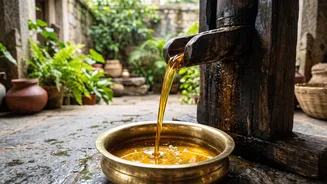
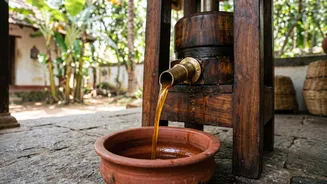
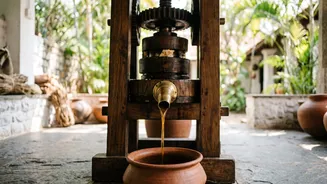
Here's where the 'how' of the headline comes into play. The method used to extract oil from sesame seeds is critical. Many commercial oils are 'refined', a process that uses high heat and sometimes chemical solvents to extract the maximum amount of oil. While efficient, this process can degrade or destroy the very nutrients that make the oil beneficial. High temperatures can alter the structure of sensitive compounds like vitamins, antioxidants, and, importantly, plant sterols. Cold-pressing, on the other hand, is a purely mechanical method. The seeds are simply pressed at low temperatures to extract the oil. This gentle process ensures that the plant sterols and antioxidants remain in their natural, 'active' state, preserving their full potency and nutritional integrity from the seed to the bottle. An unrefined, cold-pressed oil is essentially the whole food in liquid form.
The Synergy for Superior Heart Health
When cold-pressed sesame oil formulations keep plant sterols active, a powerful synergistic effect occurs. First, the 'active' sterols go to work in the digestive system, effectively helping to block cholesterol absorption. This can lead to lower overall blood cholesterol levels. Simultaneously, the preserved antioxidants like sesamin, sesamolin, and vitamin E help combat inflammation and oxidative damage to your arteries. This dual action—reducing a key risk factor (cholesterol) while protecting the circulatory system's infrastructure (arteries)—is what contributes to superior, long-term cardiovascular health. It’s not just about one compound but about how the entire formulation, preserved through cold-pressing, works together.
How to Incorporate It Into Your Diet
Adding cold-pressed sesame oil to your diet is simple. Because it has a lower smoke point than refined oils, it is best used for low-to-medium heat cooking or as a finishing oil. Drizzle it over salads, add it to marinades and dressings, or stir it into soups and noodle dishes after cooking to impart a rich, nutty flavour. Its robust taste enhances a wide variety of cuisines, particularly in Asian and Middle Eastern-inspired dishes. When shopping, look specifically for 'cold-pressed' and 'unrefined' on the label to ensure you're getting the product with the most health benefits. Store it in a cool, dark place to protect its delicate compounds from light and heat.