




Why Pre-Trip Checks Are Non-Negotiable
The romance of the Indian monsoon quickly fades when you’re stuck in a traffic jam caused by a flooded underpass or arrive at a market only to find it shut. In recent years, erratic weather patterns have led to an increase in heavy downpour events, making
urban flooding a common issue in cities like Mumbai and Bengaluru. [10, 11] Beyond the weather, local events, strikes, or even a shift in retail strategy can lead to closures. [13] A few minutes of planning can save you hours of frustration, ensuring your shopping run is productive, not pointless. The goal is to minimise disruptions and stay safe, which requires a proactive approach rather than a reactive one. [12]
Mastering the Monsoon: Weather-Proofing Your Outing
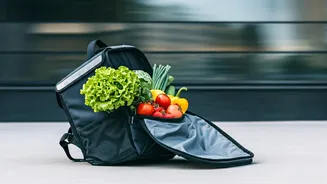
Your first check should always be the weather. Heavy rainfall doesn’t just mean getting wet; it means waterlogging, traffic snarls, and compromised public transport. Before stepping out, consult a reliable weather app. Apps like the government's official 'Mausam' app, AccuWeather, and The Weather Channel provide hyper-local, and sometimes minute-by-minute, precipitation forecasts. [17, 21] Pay attention to colour-coded alerts for heavy rainfall issued by the India Meteorological Department (IMD). [11] Dress for the occasion with quick-drying fabrics like rayon or polyester blends and avoid denim. [2, 9] Invest in water-repellent footwear with a good grip and carry a waterproof bag to protect your electronics and other purchases. [3, 4, 6] An umbrella is a must, but a long raincoat might be more practical for navigating crowded streets or if you're on a two-wheeler. [6]
The Art of the Closure Check
Arriving at a closed store is a special kind of disappointment. Closures can happen for many reasons besides extreme weather. Public holidays, both national and regional, are obvious culprits. But markets can also be affected by local 'bandhs' (strikes), civic maintenance work, or even VIP movement. For larger, organised stores and malls, a quick check of their social media pages or a call to their customer service number is the most reliable method. For local markets, it’s trickier. Information often spreads through word-of-mouth or local WhatsApp groups. If you're planning to visit a specific market, checking a local news portal for any disruption alerts for that area can be helpful. Remember that some high-street stores have been closing or relocating to malls, so confirming a specific branch is still open is a wise move. [13, 22]
Your Digital Toolkit for a Smoother Trip
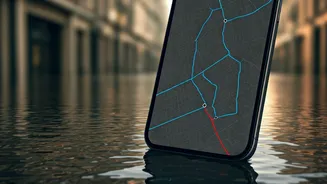
Technology is your best friend for a seamless shopping trip. Before you leave, use a traffic app like Google Maps or Waze. They provide real-time traffic data, including road closures and waterlogged areas, often flagged by other users. This allows you to choose the clearest route or decide if the trip is worth it at all. For weather, apps that provide radar maps are particularly useful, as they show you the movement and intensity of rain clouds in your vicinity. [14, 17] Beyond navigation, many municipal corporations now have their own apps or social media channels (especially on X, formerly Twitter) to disseminate real-time information on civic issues like flooding or road diversions. [8] Following your local traffic police and municipal authority's official handles can provide critical, timely updates.
Smarter Shopping, Rain or Shine
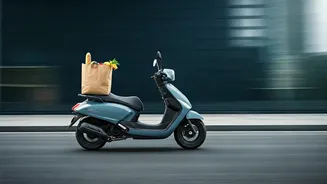
Sometimes, the smartest move is to not go at all. The rise of quick-commerce platforms like Blinkit, Swiggy Instamart, and Zepto means daily essentials can reach you in minutes, saving you a trip in bad weather. [19] For other items, planning your shopping during non-peak hours can help you avoid the worst of the traffic, which is often exacerbated by rain. If you must go out, try to consolidate your errands into a single trip to a location with multiple stores, like a mall. Malls offer a significant advantage during the monsoon: they are covered, have ample parking, and are less likely to close unexpectedly compared to standalone high-street shops. [13] Many have also become community hubs, meaning you can shop, eat, and wait out a sudden downpour in comfort.