





Understanding the Enemy: Root Rot
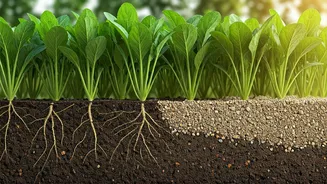
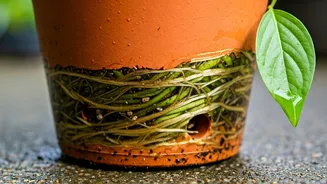
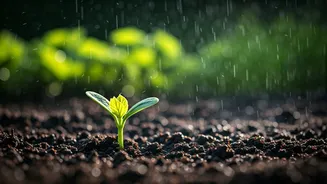
Before we dive into solutions, let’s understand the problem. When soil becomes saturated with water, the tiny air pockets that roots need to breathe are filled up. Without oxygen, roots can’t absorb nutrients and begin to decay, a condition known as root rot.
The heartbreaking irony is that a plant suffering from root rot often looks like it’s thirsty—its leaves wilt, turn yellow, and drop. An inexperienced gardener might even water it more, accelerating its demise. The signs are often the same: stunted growth, a foul smell from the soil, and a general lack of vigour. This is the core reason the monsoon, a season of abundance, can be so devastating for an unprepared garden.
Start with the Right Foundation: Your Soil
Good drainage begins long before you put a plant in the ground or pot. It starts with the soil itself. Heavy, clay-like soil, common in many parts of India, retains a lot of water and compacts easily. The goal is to make it more porous. You can dramatically improve your soil structure by amending it. Before the rains arrive, mix in organic matter like well-rotted compost or leaf mould. This not only adds nutrients but also creates a better structure. For particularly heavy soil, incorporating coarse river sand or perlite can work wonders, creating channels for water to escape. A simple test is to dig a small hole, fill it with water, and see how long it takes to drain. If water is still standing after an hour, your drainage needs serious work.
Perfecting Your Potted Paradise
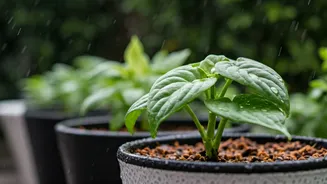
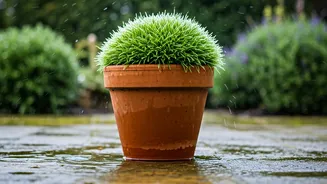
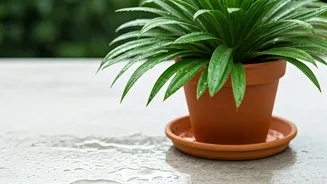
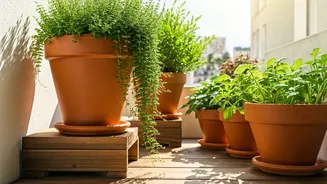
For the millions of us who garden on balconies and terraces, pots are our universe. And here, drainage is non-negotiable. First, check your pots: do they have at least one large drainage hole, or several smaller ones? If not, drill them. Blocked holes are as bad as no holes. Forget the old myth of filling the bottom of the pot with a thick layer of gravel; this can actually create a perched water table, keeping the roots wet. Instead, a simple piece of a broken terracotta pot (a 'crock') or a mesh screen over the hole to prevent soil from washing out is sufficient. Most importantly, use a proper potting mix—not just garden soil. A good mix of soil, compost, and a material like cocopeat or perlite ensures it remains light and well-draining, even when soaked.
Elevate Your Ambitions with Raised Beds
If you have the space, raised beds are a monsoon gardener’s best friend. By lifting the growing area above the ground level, you instantly solve the problem of waterlogged ground. You have complete control over the soil composition within the bed, ensuring it’s perfectly suited for your plants. You can build them from wood, brick, or metal, and they don’t need to be very high—even 8-12 inches makes a huge difference. When filling them, you can create layers: starting with coarse materials like small twigs and dried leaves at the very bottom, followed by compost, and finally topping with your high-quality soil mix. This structure not only guarantees excellent drainage but also creates a rich, self-composting environment for plant roots to thrive in.
Smarter In-Ground Strategies
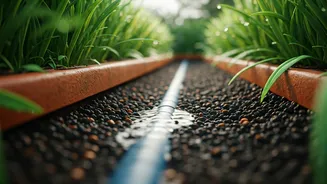
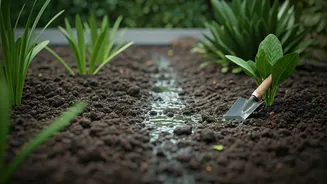
For those with traditional in-ground beds or lawns, you can’t just lift your garden up. Here, the strategy is to guide water away from sensitive plant roots. One of the simplest methods is to create gentle slopes. When preparing your beds, mound the soil slightly in the centre so that water naturally runs off towards the edges and pathways. For more severe waterlogging issues, consider digging shallow channels or swales around your planting areas. These act as mini-canals, collecting excess water and directing it away from the plant beds to a lower part of your garden or a drain. It might seem like a lot of work, but these permanent channels will save you countless plants season after season.