


Your First Move: Stop and Assess
The moment you discover something is wrong with your food—whether it’s a packaged good or a meal from a restaurant—stop eating immediately. Do not discard the food, the packaging, or your receipt. Your priority is to preserve the scene exactly as you found
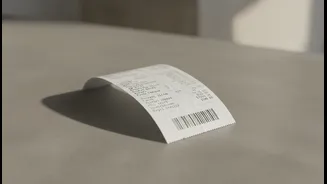
it. This isn't just about getting a refund; it's about creating a clear record. If you’ve ordered from a delivery app, take a screenshot of the order details. If you've purchased from a store, find the bill. Responding correctly from the first second is crucial for any step you take next, from a simple complaint to a formal action.
Document Everything with Your Phone
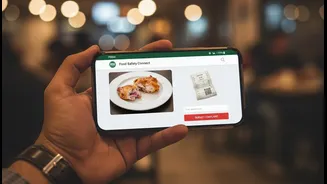
Before you touch anything further, use your smartphone to become a meticulous crime scene investigator. Take clear photographs and videos from multiple angles. Capture the foreign object or spoiled part of the food, the food item as a whole, the original packaging including the brand name and any batch numbers or expiration dates, and your purchase receipt. This visual evidence is invaluable. According to the Food Safety and Standards Authority of India (FSSAI), even a single photograph can be enough to initiate an investigation when lodging a complaint. Make sure your photos are well-lit and clearly show the problem.
Preserve the Evidence Safely
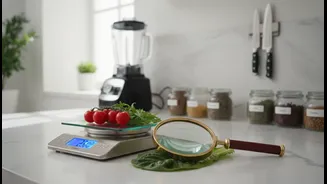
This is where the headline's advice is critical. Do not handle the questionable food or foreign object more than absolutely necessary. Excessive handling can destroy or compromise the evidence. For example, it could wipe away fingerprints or biological material that could identify its origin. Carefully place the food item and the foreign object, if separate, into a clean, sealable bag or container. Store this container in your freezer to prevent decomposition, which will preserve its state for potential future testing. Do not add anything to the container and do not clean the object. You want to keep it in the exact condition you found it.
Know Who to Contact and In What Order
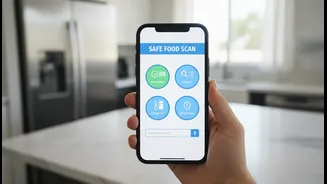
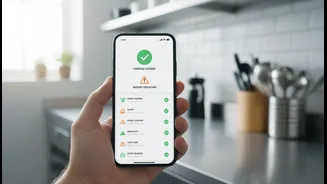
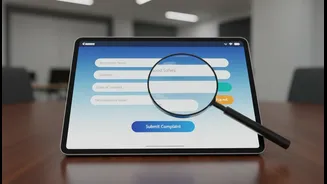
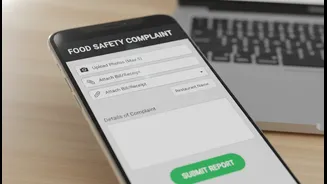
Once you have documented and preserved the evidence, it's time to report the issue. You can start by contacting the seller—the restaurant or store—where you bought the item. Many will offer an immediate refund or replacement. However, for more serious issues, or if you don't get a satisfactory response, your next step is to escalate. In India, the FSSAI has made this process easier with its 'Food Safety Connect' app, which allows you to lodge a formal grievance with your evidence. You can also file a complaint with the National Consumer Helpline (NCH) or, in serious cases, a consumer forum.
Understanding Your Rights as a Consumer
As a consumer in India, you are protected under laws like the Consumer Protection Act, 2019, and the Food Safety and Standards Act, 2006. These laws give you the right to safety from hazardous goods. If a food product is adulterated, expired, or contains a foreign object, you are entitled to redressal. This can range from a simple refund to compensation for loss or injury. Recent actions by the FSSAI against even large quick-commerce platforms show that consumer complaints, when properly documented, are taken seriously. By following the correct procedure, you are not just resolving your own issue; you are contributing to a safer food ecosystem for everyone.