



A Perfect Balance of Flavours
At first glance, the pairing might seem random. Jamun, or black plum, is known for its distinctly sharp, astringent, and mildly sweet taste that makes your mouth pucker. Coconut cream, on the other hand, is the epitome of rich, fatty smoothness. This
contrast is precisely why they work so well together. The high-fat content and subtle sweetness of coconut cream act as a perfect counterbalance to the jamun’s tartness. It mellows the fruit’s astringent edge, softening its flavour profile into something more palatable and dessert-like. Think of it like adding a splash of milk to strong tea or cream to a tangy tomato soup; the fat rounds out the sharp notes, creating a more harmonious and luxurious experience on the palate. This transformation allows the complex, wine-like notes of the jamun to shine through without overwhelming the senses.
The Unbeatable Visual Appeal
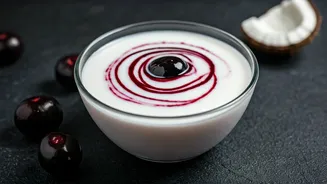
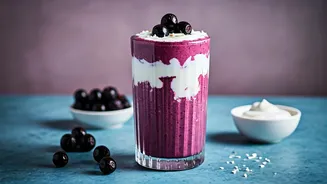
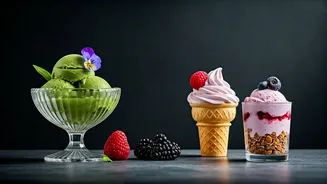
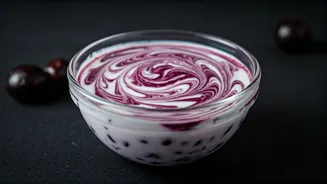
In the age of Instagram, we eat with our eyes first, and this combination is a visual masterpiece. The natural pigments in jamun create an intense, regal purple that is impossible to ignore. When blended or swirled with the pristine white of coconut cream, the result is a stunning dish that practically begs to be photographed. From lilac-hued smoothies and layered panna cottas to vibrant ice creams and cheesecakes, the aesthetic is undeniably powerful. Food bloggers understand that a dish’s 'shareability' is almost as important as its taste. The dramatic colour contrast makes for striking content that stands out on a crowded social media feed, driving engagement, likes, and comments. This trend isn't just about flavour; it's about creating food that is both delicious and beautiful, tapping directly into the visual currency of the digital world.
A Modern, Health-Conscious Choice
Beyond taste and looks, the jamun-coconut cream pairing aligns perfectly with modern wellness trends. Jamun has long been celebrated in Ayurveda and traditional Indian medicine. It’s a low-glycemic fruit packed with antioxidants, Vitamin C, and iron, often recommended for managing blood sugar levels. Coconut cream, meanwhile, has become a global darling in the health community as a plant-based, dairy-free alternative to heavy cream. It’s vegan, keto-friendly, and provides healthy medium-chain triglycerides (MCTs). By blending the two, food bloggers are creating a dessert or smoothie that ticks all the right boxes for a health-conscious audience. It’s a guilt-free indulgence that is free from refined sugar (the sweetness comes from the fruit) and dairy, catering to a growing demographic of consumers who are lactose intolerant, vegan, or simply looking for cleaner eating options without sacrificing flavour or richness.
Reimagining a Desi Classic
This trend also speaks to a larger movement in modern Indian cuisine: the artful reimagination of traditional ingredients. Jamun is a deeply nostalgic fruit for many Indians, associated with summer holidays, stained tongues, and simple pleasures. For generations, it was eaten raw with a pinch of salt or used in syrups and juices. By pairing it with a globally recognised ingredient like coconut cream and presenting it in modern formats like a mousse or smoothie bowl, chefs and food bloggers are making it relevant to a new generation. It’s a way of celebrating a local, seasonal treasure while giving it a contemporary, sophisticated twist. This fusion bridges the gap between the traditional Indian palate and global food trends, creating something that feels both familiar and excitingly new. It shows that desi ingredients can be just as versatile and chic as any imported berry or superfood.