




The Real Benefits of an Organized Pantry
A tidy pantry does more than just look good; it actively reduces stress and simplifies your routine. When your kitchen is cluttered, it can heighten feelings of anxiety and make it harder to focus. An organized space, by contrast, creates a sense of calm
and control. Functionally, knowing exactly where every ingredient is saves precious time during meal prep. You can see your inventory at a glance, which streamlines grocery shopping, prevents duplicate purchases, and significantly cuts down on food waste. Ultimately, an organized pantry makes the entire process of cooking more enjoyable, encouraging you to prepare more meals at home.
Choose the Right Tools: Clear Containers
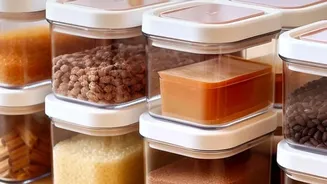
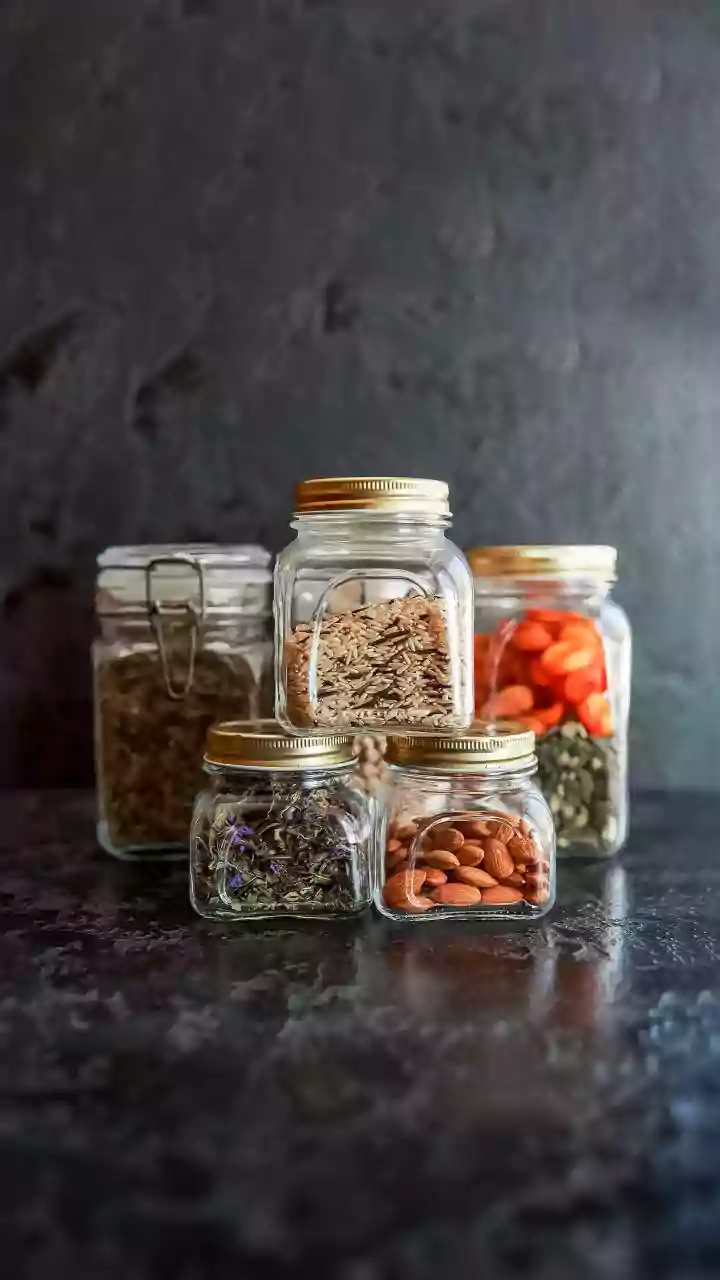
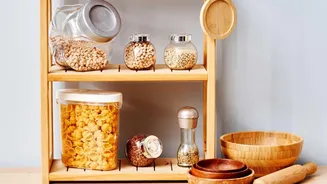
The first step toward a functional system is decanting dry goods into clear containers. Transferring items like flour, sugar, pasta, and grains from their bulky original packaging into transparent, airtight containers keeps them fresher longer and makes it easy to see when you're running low. When selecting containers, opt for square or rectangular shapes, as they stack neatly and maximize shelf space far better than round ones. While aesthetics are a bonus, prioritize function. Ensure the containers are easy to clean, fit your shelves, and are large enough to hold the quantities you typically buy. Airtight seals are non-negotiable for keeping moisture and pests out and preserving the quality of your food.
The Art of a Good Label
Labels are what turn a collection of jars into a coherent system. They eliminate guesswork, especially for items that look similar, like baking soda and baking powder. For a system that lasts, choose durable, waterproof labels over simple paper stickers, which can peel in humid conditions. When labeling, keep the text minimal and easy to read. The name of the ingredient is usually enough. For certain items, adding an expiration date can help you rotate stock and reduce waste. You can use a simple label maker, pre-printed vinyl stickers, or even reusable chalkboard labels for items that change frequently. Consistency is key: placing labels in the same spot on every container creates a clean, intuitive look.
Create Zones for Effortless Cooking
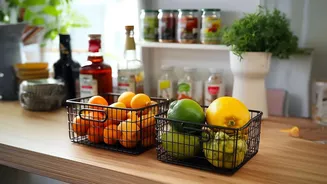
Once you have your containers and labels, the final step is strategic placement. Professional organizers recommend creating "zones" by grouping similar items together. Dedicate specific areas for categories that make sense for your lifestyle, such as weeknight dinners, baking supplies, breakfast foods, and snacks. Place the items you reach for most often at eye level for easy access. Less-used products can go on higher or lower shelves. Using tools like shelf risers for canned goods or turntables for oils and sauces can make everything visible and accessible, even in deep or awkward corner cabinets. Grouping all ingredients for frequent meals, like pasta night, can further streamline your cooking process.
Maintaining Your Newly Organized Pantry
An organization project is only successful if it's sustainable. The key to long-term success is building small habits. Designate a few minutes each week to do a quick "reset," putting any stray items back in their proper zones. When you use up an ingredient, update the label immediately if you're refilling the container with something new. Before you go grocery shopping, do a quick visual scan of your clear containers to create your list; this will prevent overbuying. By involving the whole household and making sure everyone knows where things belong, you can collectively maintain the system and prevent the pantry from slowly returning to a state of chaos.