




The 10 Percent Rule
Most pet owners don't realise how quickly the calories from extras can add up. Veterinarians and animal nutritionists recommend a guideline known as the “10 percent rule.” This principle states that treats, toppers, and any food outside of your pet’s
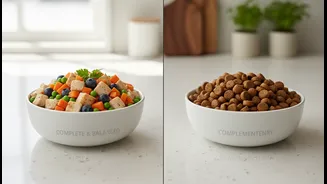
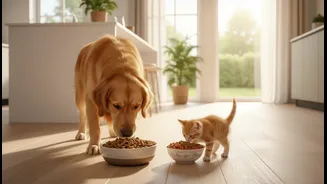
main meals should make up no more than 10 percent of their total daily caloric intake. The other 90 percent must come from their complete and balanced pet food to ensure they receive all the essential nutrients they need. For example, if your dog needs 500 calories per day, only 50 of those calories should come from treats. This prevents weight gain and ensures that treats don't displace vital nutrients from their primary diet.
The Hidden Dangers of Over-treating
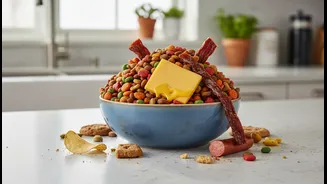
Exceeding the 10 percent guideline does more than just add a few calories; it can lead to serious health problems. Obesity is the most immediate risk, which in turn increases the likelihood of joint problems like arthritis, diabetes, heart disease, and respiratory issues. Studies have even shown that overweight pets may have a shorter lifespan. Furthermore, giving too many treats can throw a diet out of balance. Commercially prepared pet foods are scientifically formulated to provide the right ratios of proteins, fats, vitamins, and minerals. When treats become too large a portion of the diet, it can lead to nutritional deficiencies or excesses that disrupt this careful balance. High-fat treats can also trigger painful and potentially dangerous conditions like pancreatitis.
What About Meal Toppers?
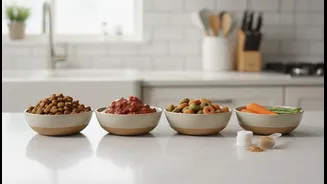
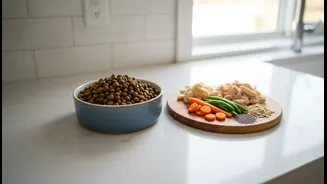
Meal toppers—add-ins like broths, freeze-dried meats, or gravy—are increasingly popular for making meals more enticing, especially for picky eaters. They can add nutritional benefits, such as extra protein, omega fatty acids for a healthy coat, or a boost of hydration. However, they are not a replacement for a balanced meal and should also fall within the 10 percent rule for extra calories. It's crucial to choose high-quality toppers with simple ingredients and avoid those with excessive fat, salt, or fillers. If your pet is on a special or therapeutic diet, always consult your veterinarian before introducing any new toppers, as they can interfere with prescribed nutritional plans.
Smart and Healthy Treat Strategies
Rewarding your pet is an important part of your bond, and it doesn't have to be unhealthy. One of the best strategies is to use your pet's own kibble as a treat for training or good behaviour. You can also opt for low-calorie commercial treats or, even better, certain fresh fruits and vegetables. Many pets love the crunch of carrots, green beans, cucumber slices, or pieces of apple (with seeds and core removed). These options are low in calories and provide extra fibre. For high-value rewards during training, small pieces of plain, boiled chicken or turkey are excellent choices. When giving treats, break larger ones into smaller pieces. Your pet will appreciate the frequency of the rewards more than the size of each one.
Beware of People Food
Sharing scraps from your plate is a common way that extra, unaccounted-for calories sneak into a pet's diet. Many human foods are surprisingly high in calories, fat, and salt for an animal. A single slice of cheese for a dog can be the caloric equivalent of a whole hamburger for a person. Similarly, a small amount of tinned tuna can be more than half a cat's daily calorie needs. Beyond just calories, some human foods like onions, garlic, grapes, and raisins are toxic to pets. It's safest to stick to treats specifically made for pets or vet-approved fresh options.