
Beyond the Traditional Dabba
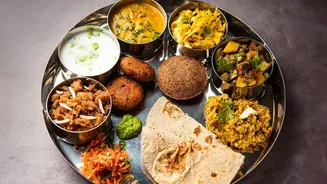
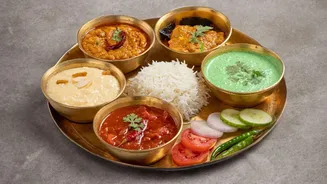
For generations, the stainless-steel tiffin, or 'dabba', has been the undisputed champion of the Indian packed lunch, designed to carry generous portions of dal, sabzi, and roti from home to office. But a new contender is gaining popularity in cities
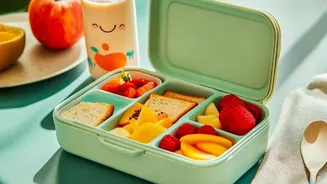
like Mumbai, Bengaluru, and Delhi: the bento box. Originating in Japan, a bento is a single-portion meal container with multiple compartments inside a single flat box. While a tiffin typically stacks separate containers vertically, a bento arranges food side-by-side. This fundamental design difference is at the heart of its growing appeal, shifting the focus from abundance to balance and variety in one neat package.
A Push for Health and Portion Control
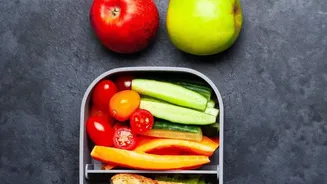
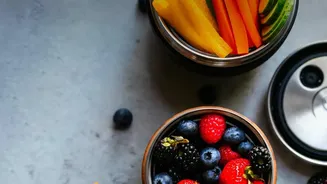
One of the biggest drivers of the bento trend is a rising consciousness around health and wellness. The compartmentalized nature of a bento box is a natural guide for portion control, helping to prevent the common post-lunch slump caused by overeating. The separate sections encourage a balanced meal, making it easy to include a protein, a complex carb, vegetables, and fruit without them mixing. For professionals aiming for mindful eating, the bento provides a clear visual structure for a nutritionally complete meal, eliminating the guesswork and supporting weight management goals without obsessive calorie counting.
The Instagram-Worthy Lunch Break
In an era where we eat with our eyes first, the aesthetic appeal of a bento box is undeniable. The Japanese tradition of bento emphasizes a beautiful, colourful arrangement of food, turning a simple lunch into a small work of art. This visual satisfaction has found a natural home on social media platforms, where #BentoBox and #LunchBoxIdeas inspire millions. Indian professionals are part of this global trend, finding joy in creating and sharing their vibrant, organized meals. This has also spurred a market for aesthetically pleasing boxes, turning a utilitarian object into a style statement.
Indianising the Bento Box
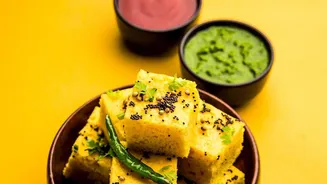
The bento's structure is surprisingly well-suited for the diversity of Indian cuisine. While traditional tiffins are ideal for gravy-heavy dishes like curries, the bento excels at holding a variety of drier and semi-dry items. A modern Indian bento might feature quinoa pulao in one compartment, paneer bhurji or grilled chicken in another, a kachumber salad in a third, and a few pieces of fruit or a small dessert in the last. Ideas like millet curd rice, thepla rolls, and sprouted mung salads fit perfectly into the format, offering a wholesome, mess-free meal that feels both modern and comforting.
Convenience for the Modern Commuter
Beyond health and aesthetics, practicality is a major factor. Modern bento boxes are often designed to be leak-proof, lightweight, and compact, fitting easily into a work bag. Many are also made from microwave-safe, BPA-free materials, offering a level of convenience that older steel tiffins don't. For professionals navigating crowded metros and busy schedules, a single, secure container that keeps food separate and fresh is a significant advantage. This focus on practical, user-friendly design addresses the real-world needs of today’s urban workforce.