





The Real Problem with Sitting
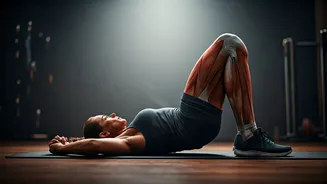
When you sit for extended periods, your body shifts into a low-power mode. Circulation slows, especially in your lower body, which can make you feel sluggish and mentally foggy. More importantly, key muscle groups go offline. Your glutes, the largest
muscles in your body, become inactive, a condition sometimes called 'gluteal amnesia' or 'dead butt syndrome'. This forces other muscles, like those in your lower back and hips, to compensate, leading to stiffness and pain. The hip flexors at the front of your hips also shorten and tighten, pulling your posture forward and contributing to that slumped, tired feeling. This combination of poor circulation and muscle imbalance is a primary driver of sitting-induced fatigue.
Your Two-Minute Fix: The Deep Air Squat
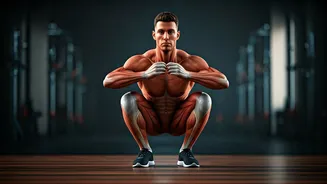
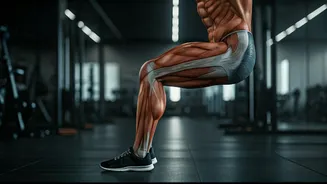
Enter the air squat, a fundamental human movement that directly counters the negative effects of sitting. An air squat is simply a bodyweight squat, requiring no equipment. Performing a set of deep air squats forces your body to wake up. It powerfully reactivates your dormant glute and leg muscles, which are crucial for pelvic stability and posture. This movement also serves as a reset for your joints, taking your hips, knees, and ankles through a full range of motion that they are denied while seated. Most immediately, a quick set of squats boosts circulation, pumping oxygenated blood throughout your body and helping to clear the mental fog and physical lethargy that settled in during your sitting spell.
How to Perform the Perfect Deep Air Squat
Proper form is crucial to get the benefits and avoid strain. Follow these steps for a safe and effective squat: 1. Stance: Stand with your feet about shoulder-width apart, with your toes pointing slightly outwards. 2. Initiate the Move: Begin by pushing your hips back and down, as if you're about to sit in a chair far behind you. Keep your chest lifted and your gaze forward. 3. Descend: Lower your hips until they are below your knees, or as far as your mobility allows while maintaining good form. Your heels should remain flat on the floor throughout the movement. 4. Knee Position: Actively push your knees outward so they track in line with your toes. Avoid letting them collapse inward. 5. Ascend: Drive powerfully through your heels to return to a standing position, squeezing your glutes at the top to ensure full hip extension. Aim for a smooth, controlled motion. If you're new to this, you can hold onto a desk or wall for support.
Why 20 Reps?
While any movement is better than none, a set of 20 reps is a sweet spot for several reasons. It’s enough to create a significant metabolic response, telling your muscles to start drawing energy from the bloodstream. Studies have shown that short, frequent bursts of activity like squats can be highly effective at regulating blood sugar levels after meals, more so than a single longer walk. Twenty reps are challenging enough to get your heart rate up and improve circulation without causing excessive fatigue or requiring a full workout session. It’s a manageable number that takes only a minute or two, making it easy to incorporate into your day. Think of it as a potent dose of movement medicine. You can perform this set every hour or so to continuously break the cycle of sedentary fatigue.
More Than Just Beating Fatigue
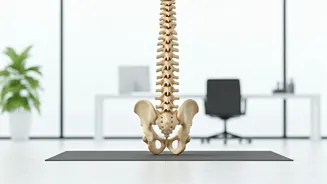
Making deep air squats a regular habit does more than just combat afternoon slumps. It's a foundational exercise for overall health. Regularly performing squats builds functional lower body strength, which is essential for everything from climbing stairs to lifting heavy objects. It improves mobility and flexibility in your hips and ankles, which can help prevent future injuries and reduce chronic stiffness. By engaging your core for stability, it strengthens the deep muscles that protect your spine. And because it's a weight-bearing exercise, it also supports bone density. By taking just a few minutes each day to perform this simple movement, you are investing in your long-term mobility, strength, and vitality.