


The World Takes Notice
Keralan cuisine is stepping out of the shadow of monolithic "Indian food" and into the global limelight. Recently, the state's culinary culture earned a significant accolade, being named by Lonely Planet as one of the world's 25 best travel experiences
for 2026. [4] This recognition, titled “Dig in to Kerala’s Culinary Culture,” celebrates the state as a premier destination for gastronomic adventurers and marks Kerala as the only Indian state on the prestigious list. [4] This isn't just a win for tourism; it's a validation of a culinary tradition rooted in centuries of history, trade, and local sourcing. [3] This growing fascination is also reflected in culinary trend reports, which have identified Keralan food and other regional Indian cuisines as a breakout movement, appearing on fine dining menus from New York to Dubai. [10]
What Defines Kerala's Flavour?
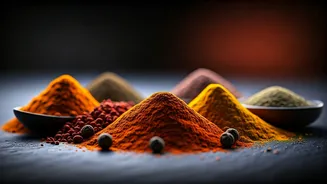
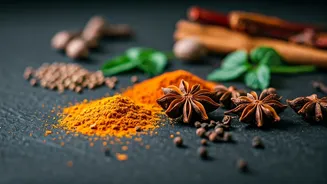
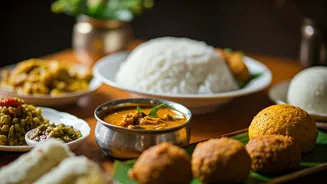
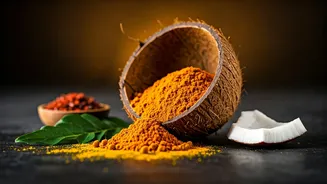
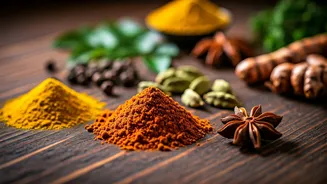
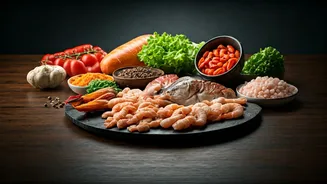
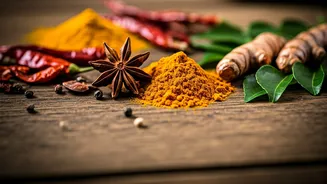
So, what makes the cuisine of 'God's Own Country' so unique? The answer lies in its geography and history. With its long coastline, seafood is central, starring in iconic dishes like Meen Pollichathu (fish grilled in banana leaf) and tangy Meen Curry, which often uses Kodampuli (Malabar tamarind) for a distinctive sourness. [13] Coconut is the undisputed soul of Keralan cooking, used in every form imaginable—grated, as milk, or as oil—lending a creamy, fragrant depth that is lighter than the ghee or cream-based sauces of the north. [6] The state's history as the epicentre of the ancient spice trade is tasted in every dish. Spices like black pepper, cardamom, cloves, and turmeric are not just added for heat but are layered to create a complex, aromatic balance. [5, 9] This heritage, combined with staples like rice and tapioca, forms the foundation of a truly distinct culinary identity. [6, 12]
A Land of Many Cuisines
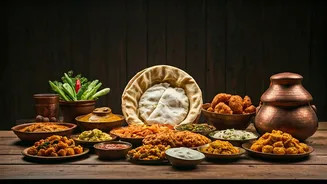
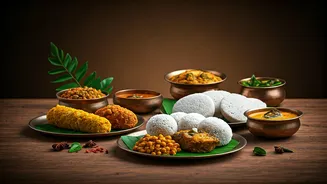
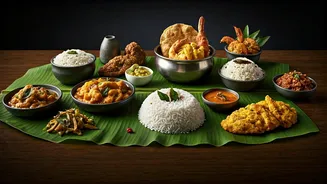
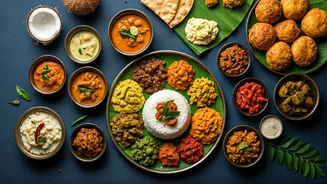
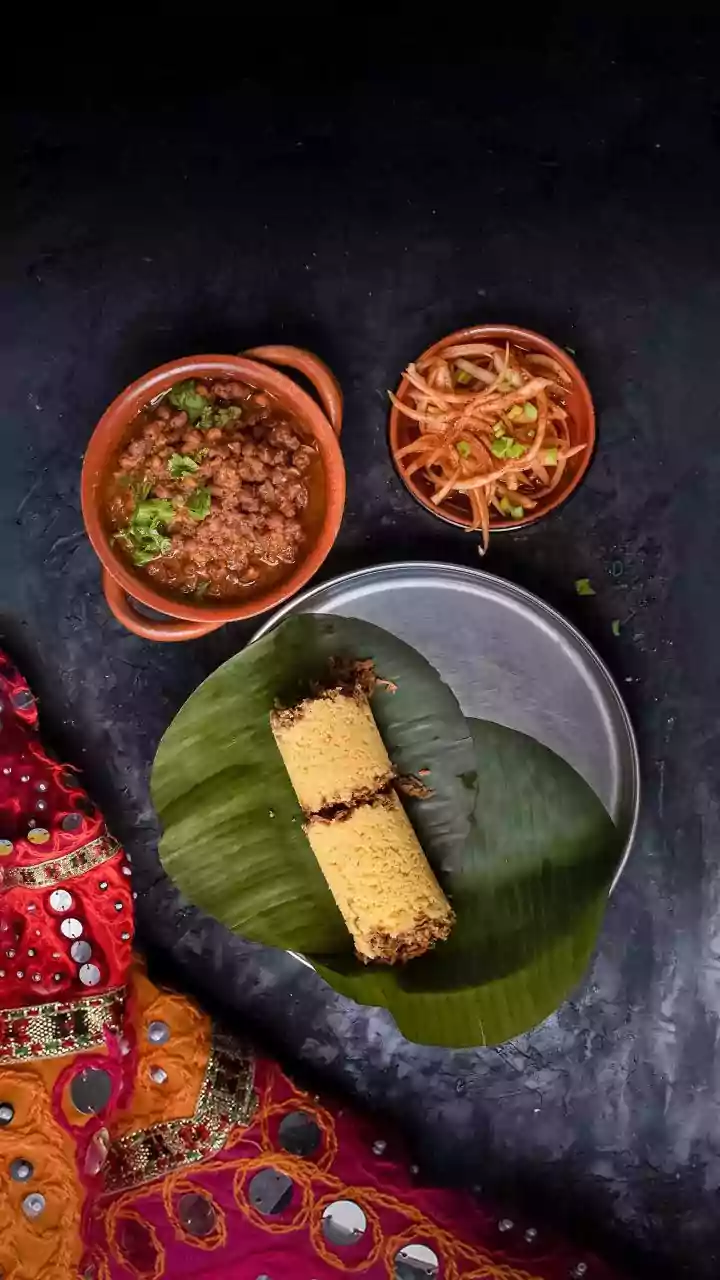
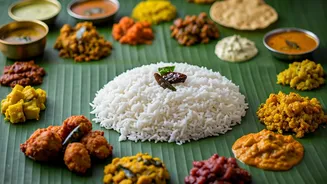
To speak of a single 'Keralan cuisine' is to miss the point. The state boasts a remarkable diversity of culinary traditions, shaped by its different communities. [3] In the north, the Malabar region is famous for its Mappila (Muslim) cuisine, which carries influences from Arab traders, resulting in rich, fragrant biryanis and delicate pathiris (rice-flour flatbreads). [4, 8] In contrast, the food of the Syrian Christian community features dishes like appam (lacy rice pancakes) and mild, coconut-based stews. [8] Then there is the Sadya, a magnificent vegetarian feast served on a banana leaf, central to Hindu celebrations like Onam. [7] This elaborate meal can feature over 20 different dishes, from thoran (stir-fried vegetables with coconut) to pachadi (yoghurt-based sides) and sweet payasam, showcasing a complete spectrum of flavours. [7, 13] Global recognition helps celebrate this incredible internal diversity. [3]
From Home Kitchens to Global Stages
This international attention is empowering a new generation of chefs and preserving age-old traditions. Chefs like Suresh Pillai have been instrumental in taking authentic Keralan flavours to prestigious international restaurants, moving beyond generic curries to showcase regional nuances. [16] Even world-renowned chefs like Gordon Ramsay have expressed amazement at the complexity of Keralan food, particularly its sophisticated vegetarian dishes. [18] This spotlight not only provides a sense of pride but also boosts local economies and food tourism. Lonely Planet, for instance, specifically recommends a food walk through Kochi's historic Mattancherry spice quarter to understand the intermingling of flavours from over 30 communities that settled there. [4] It reinforces the idea that the story of Kerala's food—from family recipes passed down through generations to toddy shop specialities—is a story worth telling to the world. [8]