
Why Curves Crave the Spotlight
Curved furniture is inherently sculptural. Unlike its straight-lined counterparts that align with the rigid geometry of a room, a curved piece introduces an organic, flowing line that immediately draws the eye. Think of it as functional art. Its primary
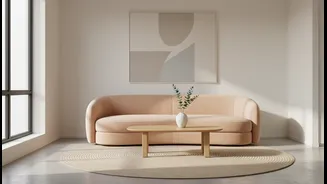
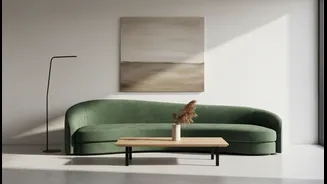
power lies in its unique silhouette, which softens hard corners and creates a sense of movement. When you place too many complex shapes in one room, the eye doesn't know where to land. The special, sculptural quality of your curved sofa or armchair gets lost in the visual noise. Instead of creating a feeling of calm and flow, a room crowded with competing curves can feel chaotic and undefined. The most successful spaces treat curved furniture as a statement, giving it the prominence it deserves.
Embrace the Power of Negative Space
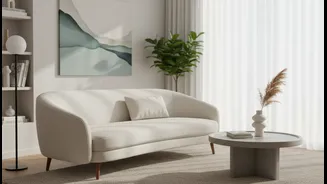
The secret to making any statement piece work is negative space—the empty area around it. For curved furniture, this is especially true. That open space acts like a frame, highlighting the graceful arc of a sofa or the roundness of a coffee table. It allows the piece to be seen and appreciated as a distinct form. When a curved sofa is pushed against a wall or crowded by other furniture, its unique shape is wasted. By pulling it away from the wall, even by a few inches, you create depth and allow light to travel around it, paradoxically making the room feel larger and more intentional. This breathing room is crucial; it’s what turns a simple piece of furniture into a deliberate design gesture.
Make It the Hero Piece
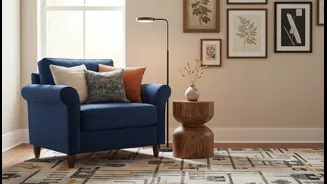
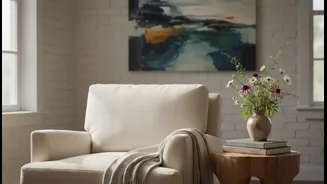
The easiest way to adopt this trend without overwhelming your space is to choose one 'hero' piece. This could be a sweeping, crescent-shaped sofa that anchors your living room, a set of sculptural, curved dining chairs, or a single, enveloping armchair in a reading nook. This item becomes the undeniable focal point. Once you have your star, the rest of your furniture should play a supporting role. This doesn't mean everything else must be boring, but it should be simpler in form. Allow the main curved piece to command attention, and let the other elements complement it rather than compete with it. This creates a clear visual hierarchy that feels calm and composed.
Find Balance with Straight Lines
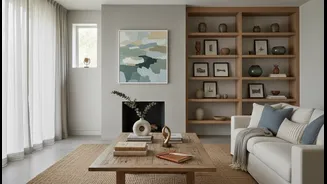
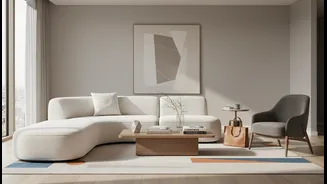
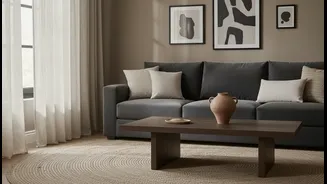
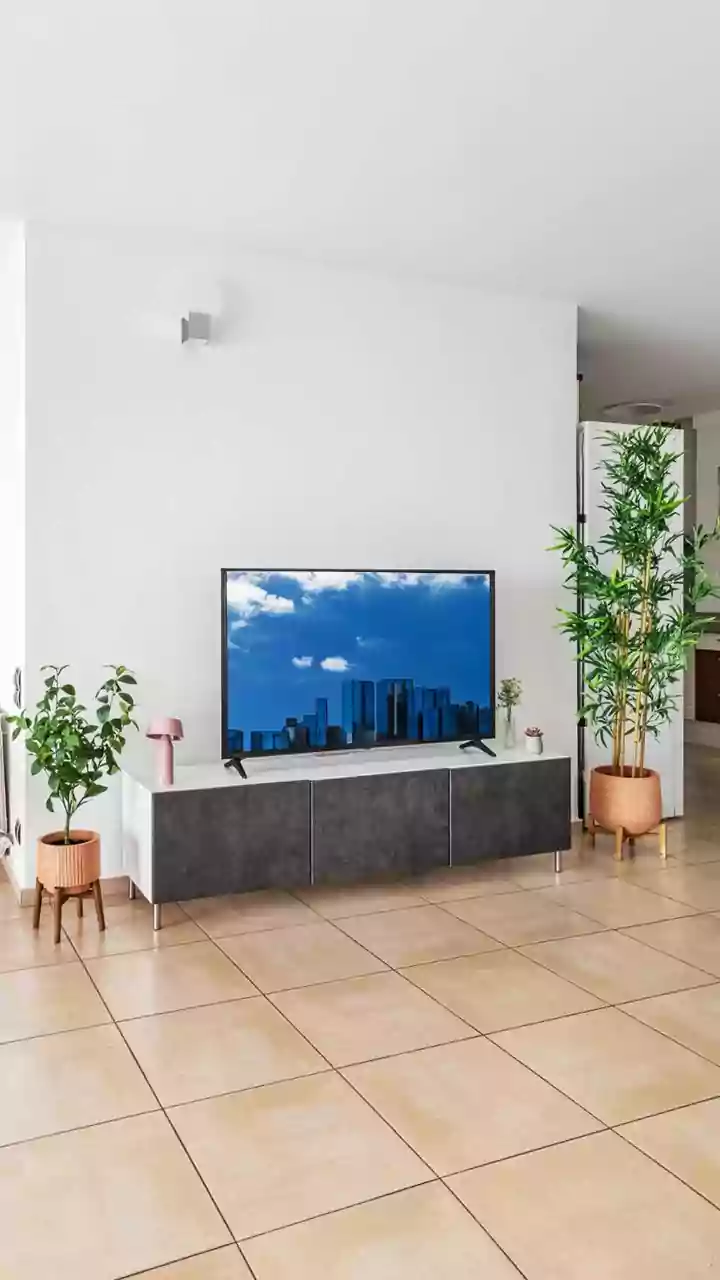
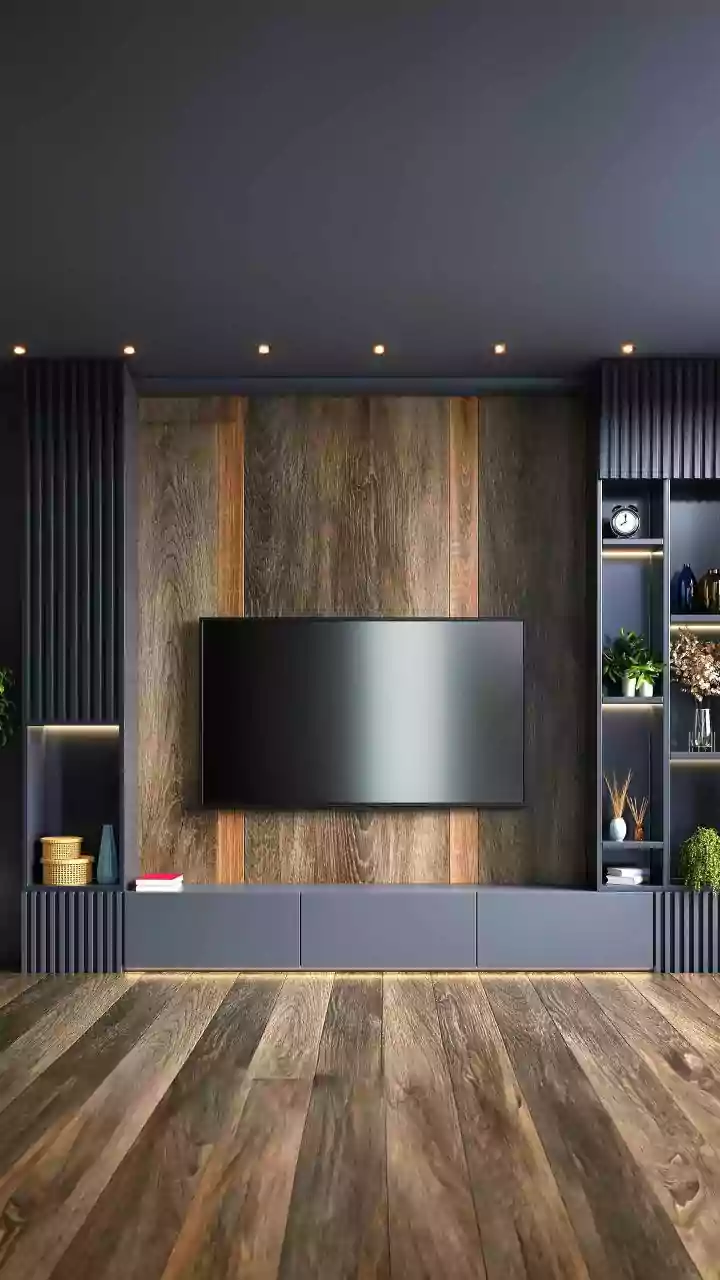
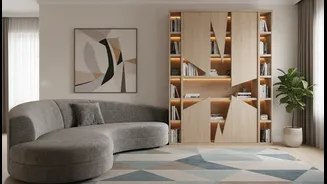
A room full of curves can feel unstructured and whimsical. The real magic happens when you create a dialogue between curved and straight lines. The straight, predictable lines of a rectangular rug, a linear media console, or a simple bookshelf provide a grounding structure that makes the softness of a curve pop. This contrast is what creates visual interest and a sense of sophisticated balance. Many designers follow a 70/30 guideline: let about 70% of the main elements in a room be linear and structured, and introduce curves in the remaining 30%. This ratio ensures the curved pieces feel special and intentional, adding softness without sacrificing the room's stability. For instance, pair a curved sofa with a rectangular coffee table or place a round mirror above a straight-edged console.
Getting It Right in Your Space
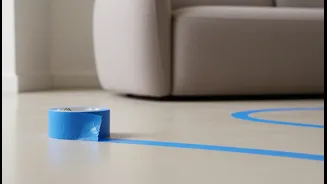
Before you buy, measure carefully. Curved pieces can have a larger-than-expected footprint and visual weight. Use painter's tape on the floor to map out the shape and ensure you have enough clearance for traffic flow—aim for at least 30-36 inches in main walkways. In an open-plan living area, a curved sofa is a brilliant tool for creating zones, like an intimate conversation area. Float the sofa in the middle of the room to define the living space, making sure its back looks as good as its front. For smaller rooms, a large sectional might be overwhelming. Instead, consider a curved accent chair, a round ottoman, or a small kidney-shaped desk to introduce the shape without consuming the entire space.