




The Season of Renewal
The Malayalam month of Karkidakam, which typically falls between mid-July and mid-August, is a time of intense monsoon rains in Kerala. Historically known as the 'panja masam' or lean month, it was a period of scarcity when floods were common and the body's
strength was believed to be at its lowest. According to Ayurveda, the damp, cold weather weakens the digestive fire, or 'Agni', and aggravates 'Vata dosha', making the body more susceptible to ailments like arthritis, indigestion, and fevers. However, this period of vulnerability is also seen as the ideal time for rejuvenation. The high humidity is thought to soften the skin and open up pores, making the body more receptive to healing therapies and medicinal foods. This is why Karkidakam is also the season for 'Karkidaka Chikitsa', a range of Ayurvedic wellness practices designed to detoxify and restore vitality.
What Exactly is Karkidaka Kanji?
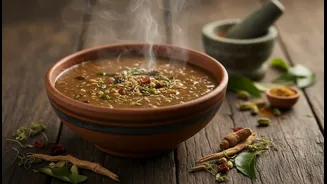
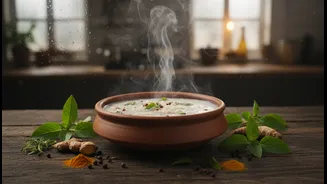
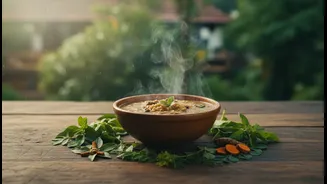
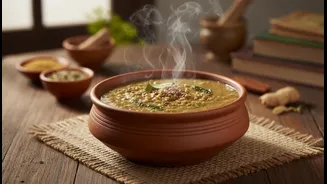
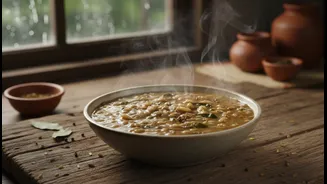
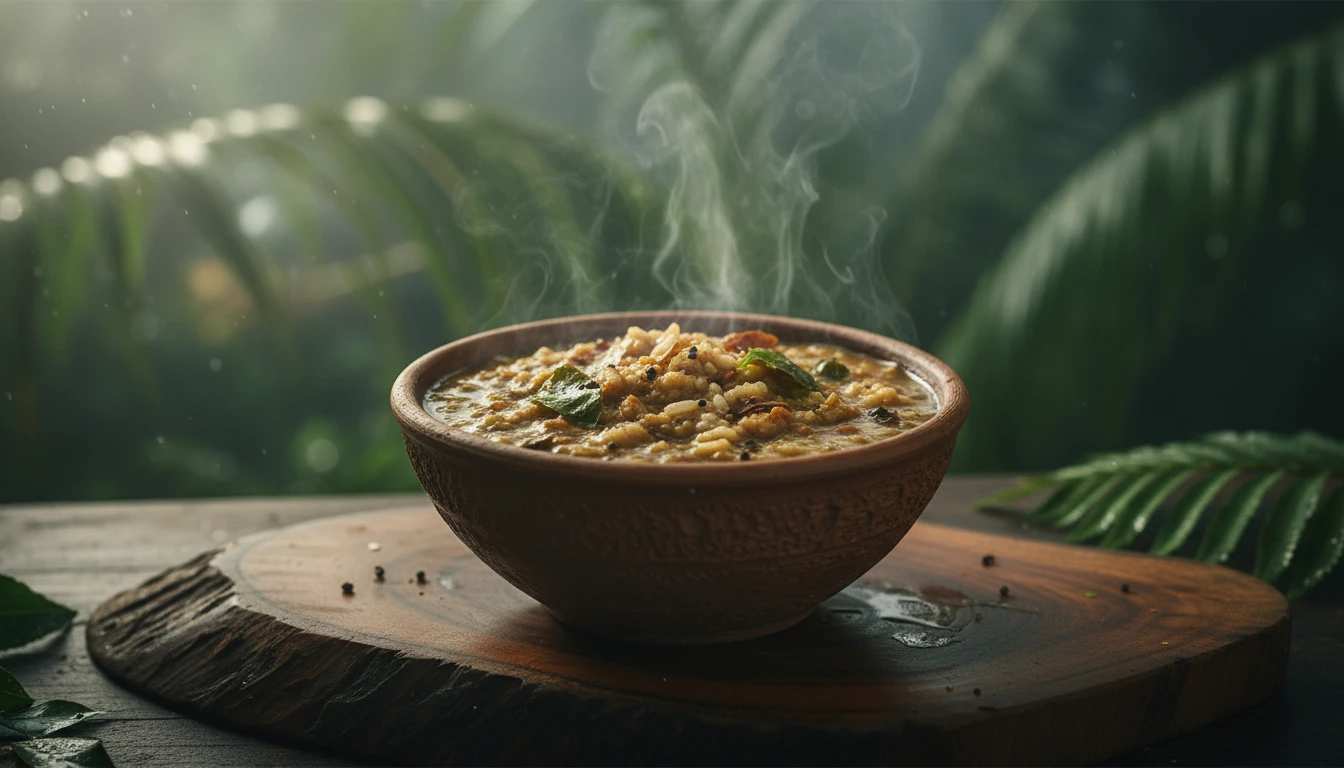
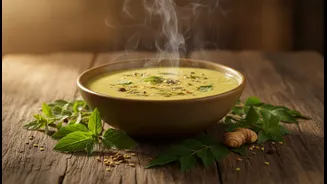
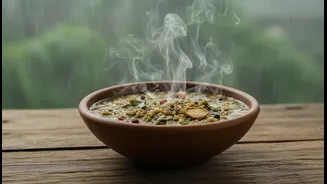
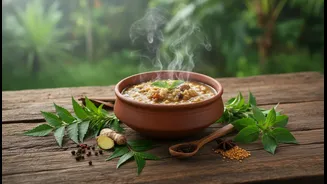
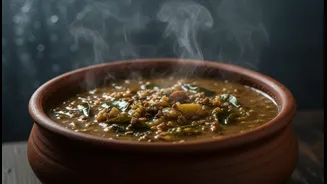
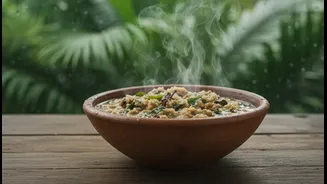
At the heart of this seasonal regimen is Karkidaka Kanji, also known as Oushadha Kanji, meaning medicinal porridge. It's far more than a simple gruel; it is a carefully formulated food designed to act as medicine. The base is typically Njavara rice, a prized indigenous variety from Kerala known for its therapeutic properties and easy digestibility. This is slow-cooked with water, coconut milk, and a blend of potent herbs and spices. While recipes can vary from household to household, common ingredients include fenugreek, cumin, dry ginger, and a special herbal mix called 'Oushadha Choorna'. This powder often contains a combination of herbs like Dashamoola (a group of ten roots) and Dashapushpam (a group of ten sacred flowers), each chosen for its specific properties to support the body during the monsoon.
The Pantry Wisdom in Every Spoonful
Karkidaka Kanji is a masterclass in 'pantry wisdom,' where every ingredient has a purpose. The philosophy is 'Ahara as Aushadha'—food as medicine. The Njavara rice base is believed to nourish without straining the weakened digestive system. Spices like dry ginger and cumin are included to rekindle the digestive fire and reduce bloating. Fenugreek is valued for its anti-inflammatory properties, which are thought to soothe joints that often ache more in damp weather. The herbal powders, or choornams, are the core of the porridge’s medicinal power, selected to boost immunity, gently detoxify the body by helping to eliminate 'Ama' (toxins), and bring the body’s doshas back into balance. It’s a holistic approach, using locally available, seasonal ingredients to address the specific health challenges posed by the monsoon.
A Ritual for Body and Soul
The consumption of Karkidaka Kanji is as much a ritual as it is a dietary choice. Traditionally, it is eaten once a day, usually as a light evening meal, for a period of at least seven days, and often in multiples of seven (14, 21, or 28 days) throughout the month. This practice is not just about physical health. In many families, it's a shared experience that connects generations and reinforces a cultural identity rooted in living in harmony with nature's cycles. In the past, families would forage for the specific herbs in their own backyards, a practice that deepened their knowledge of local flora. While the setting has changed, the essence of the ritual—a commitment to slowing down and caring for one's well-being—remains powerful.
The Tradition in Modern Times
Today, you don't need to be an Ayurvedic expert or have a sprawling garden to partake in this tradition. Recognizing its enduring value, many Ayurvedic pharmacies and brands now offer 'Karkidaka Kanji kits'. These packages contain the pre-measured Njavara rice and the essential Oushadha Choorna, making the practice accessible to busy, modern households. This adaptation has allowed the tradition to thrive, moving from a practice of necessity in rural kitchens to a conscious wellness choice for people across urban centres. It speaks to a growing appreciation for traditional knowledge and a desire to connect with more mindful, seasonal ways of eating and living, even in a fast-paced world.