

India’s Next Great Leap in Space
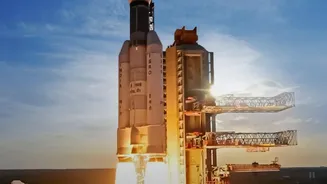
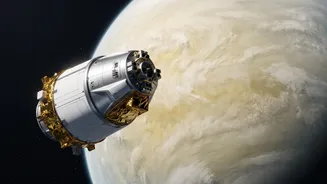
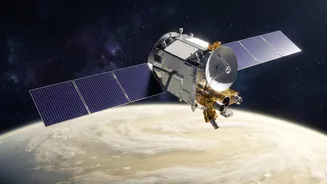
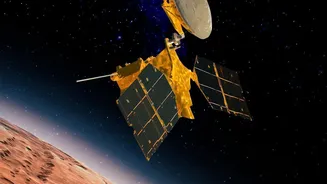
Following the historic successes of the Chandrayaan moon missions and the Mangalyaan Mars orbiter, ISRO is setting its sights on the second planet from the Sun. Shukrayaan-1, India’s first dedicated mission to Venus, is poised to become the nation's next
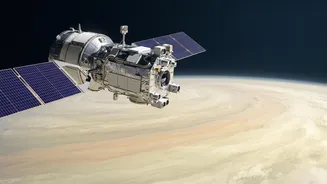
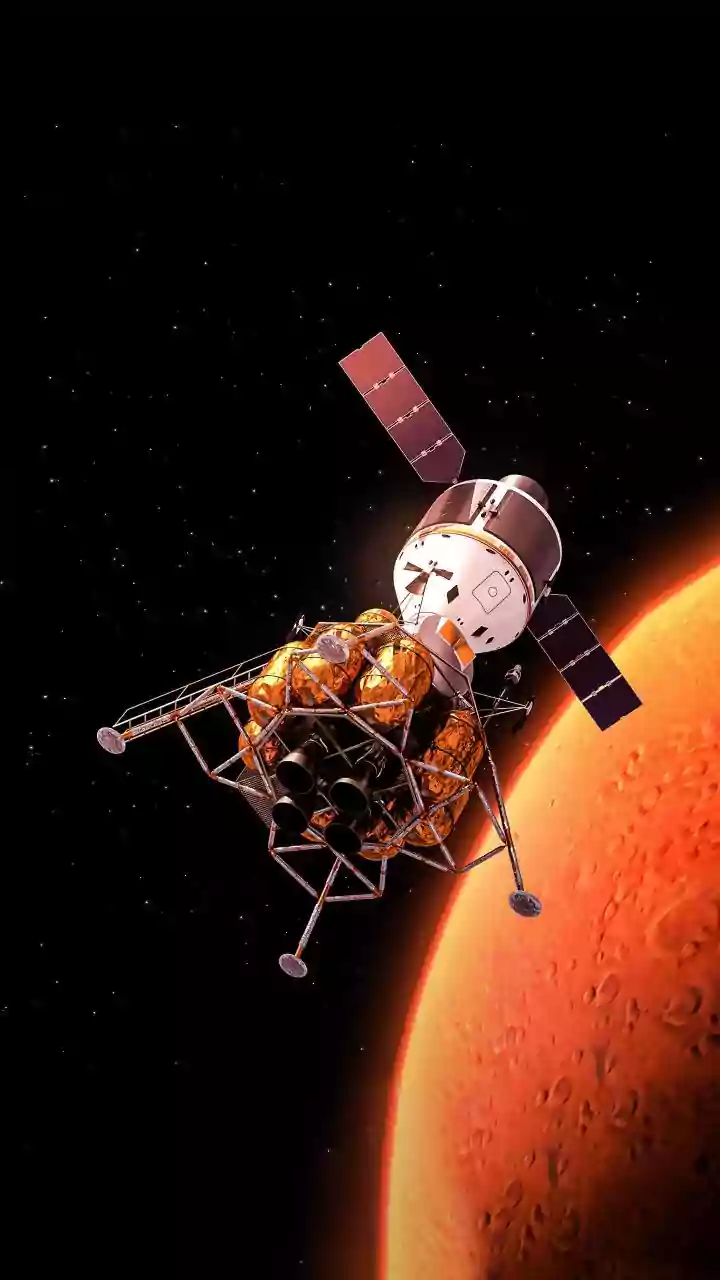
major interplanetary achievement. Officially approved with a launch planned for 2028, the mission aims to place a sophisticated orbiter into a long-term orbit around Venus. Its objective is to conduct a comprehensive investigation of the planet, from its mysterious surface hidden beneath thick clouds to its turbulent atmosphere and its interaction with the ever-present solar wind. This mission places India in an elite club of space agencies that have successfully ventured to this challenging but scientifically vital destination.
The Hostile World Next Door
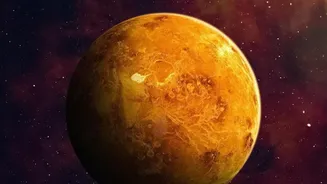
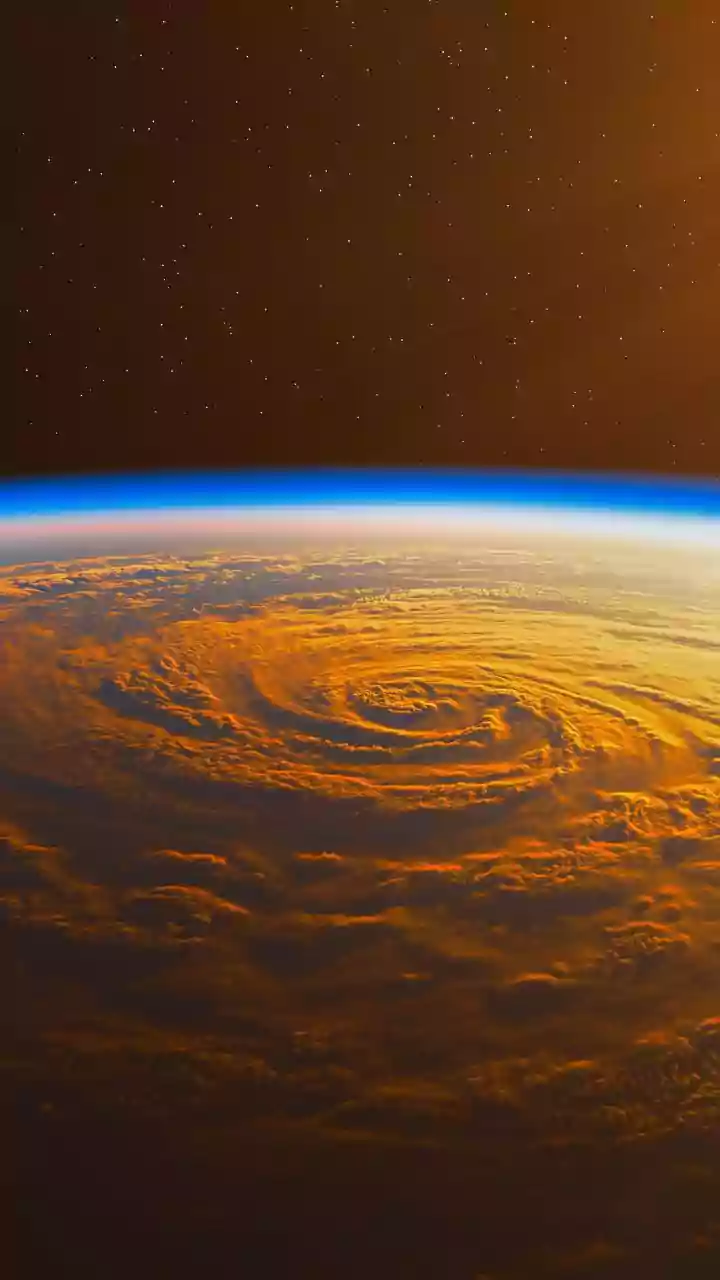
Despite being similar to Earth in size and mass, Venus is anything but hospitable. It is the hottest planet in our solar system, with surface temperatures soaring to over 460 degrees Celsius—hot enough to melt lead. The atmospheric pressure at its surface is more than 90 times that of Earth's, equivalent to what you would experience nearly a kilometer deep in the ocean. The entire planet is perpetually shrouded in a thick, unbroken blanket of sulfuric acid clouds. This toxic veil not only makes direct observation of the surface impossible with conventional telescopes but also drives a runaway greenhouse effect, offering scientists a stark example of how planetary climates can evolve to catastrophic extremes.
Piercing the Veil: The Sensor Suite
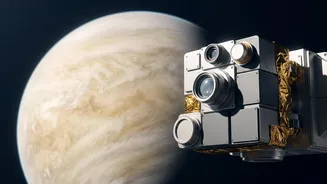
To study such an inhospitable world, Shukrayaan-1 will be equipped with a cutting-edge suite of scientific instruments. The star of the show is a high-resolution Synthetic Aperture Radar (SAR). This powerful tool operates at a frequency that allows it to effectively pierce through the dense cloud cover, enabling it to map the Venusian surface in remarkable detail, regardless of day or night. For the first time on any Venus mission, Shukrayaan-1 will also carry a ground-penetrating radar. This instrument is designed to probe beneath the planet's surface, investigating its subsurface geology and stratigraphy—the layers of rock—to uncover the planet’s volcanic and tectonic history. These instruments will work together to create a comprehensive picture of a world that has, until now, remained largely hidden.
Secrets of the Sulphuric Skies
The headline-making sensors are crucial for studying what lies beneath the clouds, but the atmosphere itself is a primary target. The mission will carry payloads specifically designed to analyse the composition and dynamics of Venus's atmosphere. Instruments developed through international collaboration, such as the Venus InfraRed Atmospheric Gases Linker (VIRAL), will study the chemical makeup of the clouds and search for signatures of active volcanism, which may release gases into the atmosphere. Scientists are particularly interested in understanding the planet's 'super-rotation,' where the atmosphere circles the planet sixty times faster than the planet itself rotates. By studying these uncharted cloud layers, ISRO hopes to solve long-standing mysteries about Venus's extreme weather patterns.
A Warning From Earth's Twin
Beyond pure planetary science, the Shukrayaan mission holds important lessons for us here on Earth. Venus serves as a natural laboratory for studying the greenhouse effect in its most extreme form. Its thick carbon dioxide atmosphere has trapped heat, creating the runaway inferno we see today. It is believed that Venus may have once had oceans and a more temperate climate, similar to early Earth. By studying how and why Venus diverged so dramatically onto an uninhabitable path, scientists can refine climate models for our own planet. Understanding the atmospheric processes on Venus provides crucial data for predicting the long-term consequences of climate change, making the mission not just a journey of discovery, but a vital quest for knowledge relevant to our own future.