

The High Price of Lithium Power
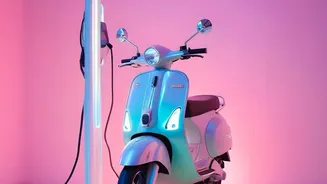
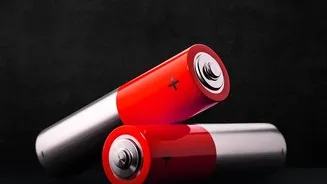
For years, the electric vehicle revolution has run on lithium. From high-performance cars to the everyday e-scooter, lithium-ion (Li-ion) batteries have been the default choice, prized for their ability to pack a lot of power into a small, lightweight
package. However, this reliance comes at a cost. Around 70% of the world's lithium is concentrated in just a few locations, making the supply chain vulnerable to geopolitical tensions and price volatility. The raw materials alone can constitute up to 70% of a lithium battery's total cost, a figure that directly impacts the showroom price of an electric scooter and puts it out of reach for many potential buyers. Furthermore, standard lithium-ion batteries can struggle in extreme temperatures, losing a significant portion of their capacity in cold weather, a notable drawback for riders across India's diverse climate zones.
Enter Sodium-Ion: The Abundant Alternative
Imagine powering a scooter with a battery made from one of the most abundant and inexpensive materials on Earth: sodium, a key component of common salt. This is the promise of sodium-ion (Na-ion) battery technology. Functionally, Na-ion batteries work on a similar “rocking-chair” principle to their lithium counterparts, moving ions between a cathode and an anode to charge and discharge. However, by swapping out lithium for sodium and replacing expensive copper with cheaper aluminium foil for its internal components, the potential for cost reduction is enormous. While the technology has been in development since the 1980s, recent advancements and a maturing supply chain are finally making it a commercially viable option.
Performance vs. Price: A Reality Check
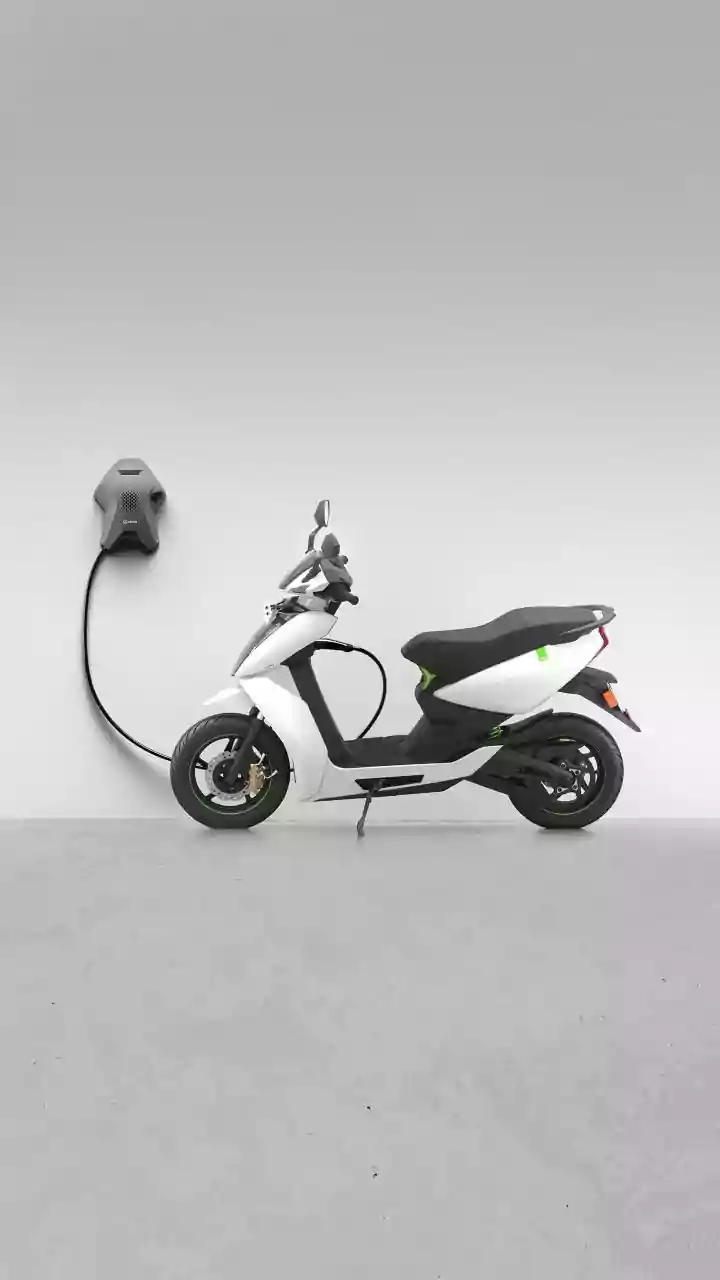
So, is sodium-ion the perfect battery? Not quite. There's a trade-off, and the main one is energy density. Currently, commercial Na-ion batteries offer an energy density of around 100-160 Wh/kg, which is lower than the 150-300 Wh/kg typical for various Li-ion chemistries. In simple terms, a sodium-ion battery of the same weight will offer less range than a lithium-ion one. However, what it lacks in density, it makes up for in other areas. Na-ion batteries have demonstrated superior performance in cold weather, retaining over 90% of their capacity even at -20°C. They are also considered safer, with a lower risk of thermal runaway (the chemical reaction that can lead to battery fires), and can be fully discharged to 0 volts for transport without damage, a risky move for most Li-ion cells. Furthermore, they support very fast charging, with some models able to charge to 80% in as little as 15-20 minutes.
Pioneers in the Indian Market
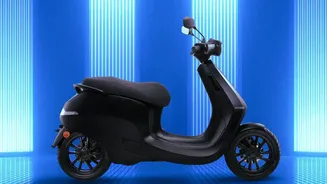
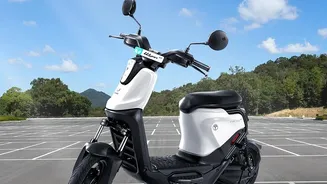
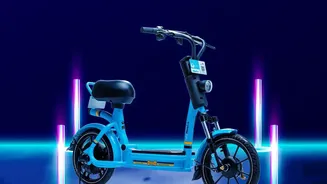
The shift from theory to reality is already underway. While global players like Yadea and TAILG have launched Na-ion powered e-bikes in China, Indian companies are not far behind. Nashik-based manufacturer Jitendra New EV Tech has announced plans to launch electric two-wheelers powered by indigenously developed sodium-ion batteries between late 2025 and early 2026. The company is collaborating with local partners to build out the technology, aiming to enhance India's energy security by reducing reliance on imported lithium. Pune-based startup Rechargion is also developing fire-resistant sodium-ion batteries specifically for Indian electric scooters and rickshaws. These efforts align with a broader push for domestic energy solutions, supported by government initiatives promoting EV adoption.
The Road Ahead for Sodium-Powered Scooters
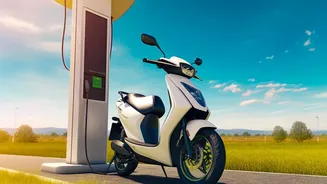
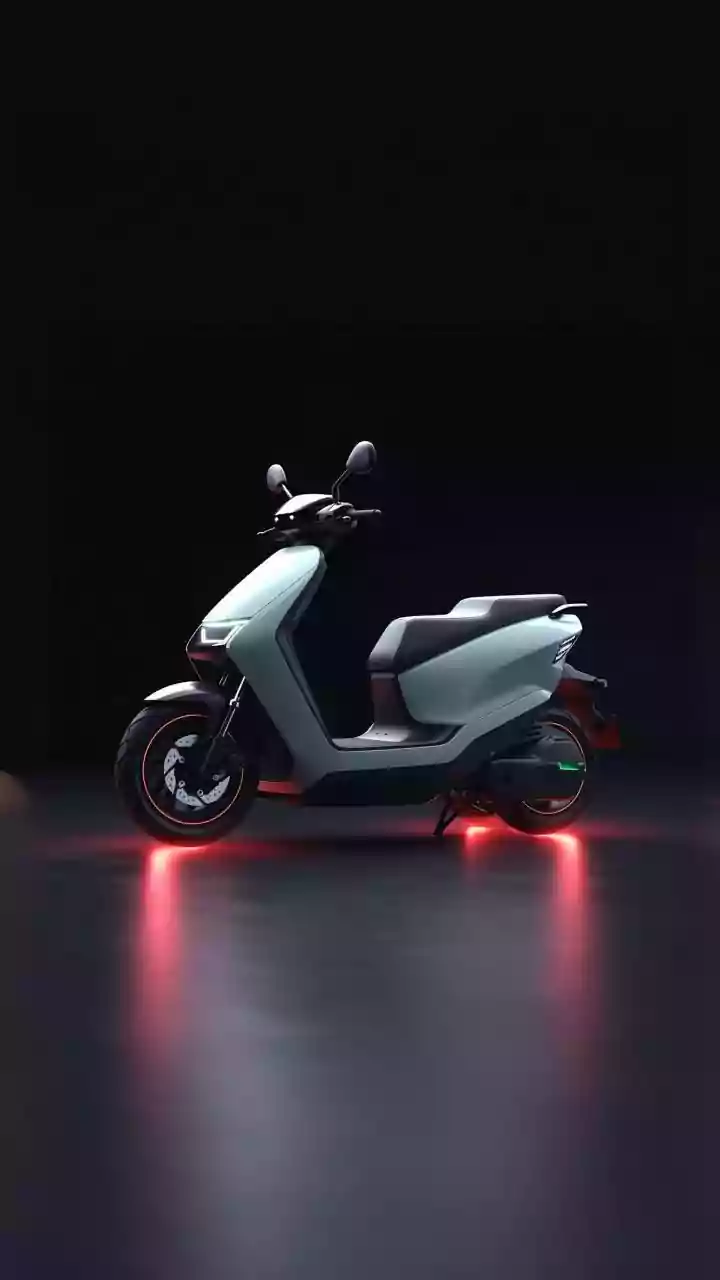
The path to mass adoption is not without hurdles. Currently, due to a less mature supply chain and smaller production scales, the cost of a sodium-ion cell is still comparable to, or even slightly higher than, a lithium iron phosphate (LFP) cell, a common type of Li-ion battery. However, experts project that as production scales up, Na-ion batteries will achieve significant cost advantages, with some analysts predicting price parity with lithium-ion by the end of 2026 before becoming substantially cheaper. For the Indian consumer, this trend is promising. While high-performance, long-range scooters will likely continue to use lithium-ion batteries, sodium-ion technology is poised to become the go-to choice for affordable, city-focused electric scooters. It's not about replacing lithium entirely, but offering a complementary technology that excels in applications where cost, safety, and reliability are the highest priorities.