





The New Corner Office
The post-pandemic era has reshaped our understanding of the workplace, and in Kolkata, this has sparked a unique cultural shift. Professionals are increasingly migrating from traditional office spaces and monotonous home setups to the welcoming embrace
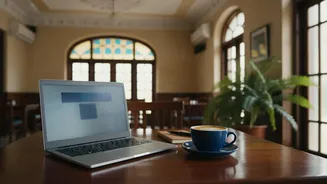
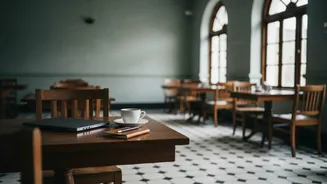
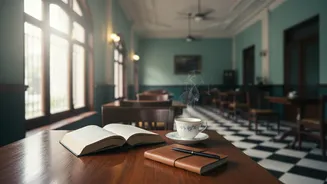
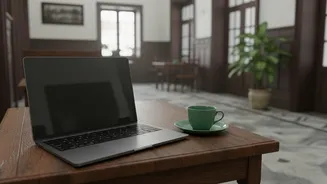
of the city's historic cafes. It's a move that swaps ergonomic chairs and clinical lighting for the warmth of colonial-era architecture, the aroma of freshly brewed coffee, and the gentle buzz of a space with a story. This isn't just about finding a place with free Wi-Fi; it's about seeking an environment that inspires creativity and offers a sense of community, something many feel is missing from both corporate and remote work life. The city's cafe culture has evolved to meet this demand, with many establishments now catering to a growing clientele of digital nomads, freelancers, and remote workers.
More Than Just Wi-Fi and Coffee
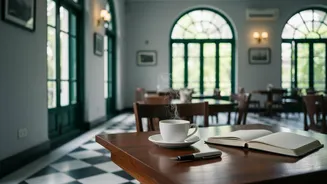
What makes a ninety-year-old mansion or a century-old tea room more appealing than a modern, purpose-built coworking space? The answer lies in the ambiance. Heritage cafes offer a tangible connection to the past, a quality that fosters a more relaxed and reflective work environment. Establishments like Flurys on Park Street, founded in 1927, or the iconic Indian Coffee House on College Street, provide a backdrop of history that a modern office cannot replicate. These spaces, once the haunt of poets, intellectuals, and freedom fighters, now inspire a new generation of workers. The appeal is a blend of nostalgia, comfort, and the simple pleasure of being in a beautiful, storied setting. It represents a move towards integrating work into a more holistic and enjoyable lifestyle rather than confining it to a designated building.
Where History Meets Productivity
Several cafes have become hotspots for this new working culture. The Red Bari, a restored 90-year-old mansion, explicitly blends its roles as a cafe, art venue, and coworking space, representing a successful model of adaptive reuse. Similarly, The Bhawanipur House, a colonial mansion from the early 20th century, has been repurposed into a cafe with open courtyards that invite patrons to settle in for hours. Even legendary establishments like Flurys, with its old-world European charm, and the bustling, intellectual hub of the Indian Coffee House are seeing a steady stream of laptop-wielding customers alongside their regular patrons. Newer, yet nostalgically-inclined places like Roastery Coffee House, which revamped the old Calcutta South India Club, also offer the perfect mix of aesthetic charm and modern amenities like reliable internet, making them ideal work spots.
A Mutually Beneficial Arrangement
This trend offers a clear advantage for both workers and cafe owners. For professionals, it breaks the monotony of working from home and provides a stimulating environment without the commitment and cost of a formal coworking membership. It’s a chance to be around people while still maintaining focus. For the cafes, this new clientele ensures a steady flow of business, particularly during traditionally slower daytime hours on weekdays. Many cafes have adapted by offering dedicated work zones, plentiful power outlets, and even special packages for those looking to work for extended periods. This symbiotic relationship is breathing new life into historic venues, giving them a renewed economic purpose and ensuring their preservation for future generations to enjoy.
The Unwritten Etiquette
As this culture blossoms, a set of unwritten rules has emerged to ensure a harmonious environment. It’s considered good form to be mindful of the space one occupies, especially during peak hours. The general understanding is to order food or drinks every couple of hours to justify a long stay. While the atmosphere is relaxed, patrons are expected to respect that these are still public spaces. This means taking phone calls outside, keeping conversations at a reasonable volume, and not overstaying one's welcome. It's a delicate balance between leveraging the cafe as an office and respecting its primary function as a place for leisure and socialising, a balance that Kolkata's new cafe-workers seem to be navigating with grace.