




What Exactly Happened?
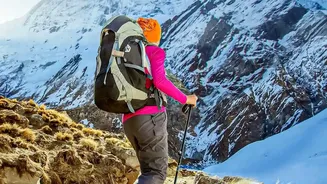
In a move that has caught many travellers off guard, Nepali authorities recently penalised a group of Indian tourists for trekking in a restricted area without the necessary permits and guides. According to reports from tourism officials in Pokhara, the travellers were
found on a popular but regulated trail without having registered with the official tourism body or hiring a licensed local guide. They were subsequently fined and escorted back to the trail starting point, with a warning that further violations could lead to more severe consequences, including detention. This incident is not an isolated one but part of a wider, more stringent enforcement of rules that have been in place for over a year but are now being applied more rigorously in the post-pandemic tourism boom.
The End of an Era for Solo Trekking
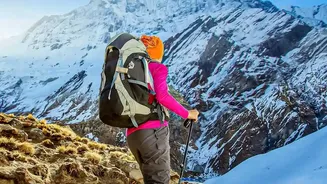
The core of the issue lies in Nepal's updated tourism policy, which officially ended solo trekking for foreigners in most areas. Citing safety concerns after a number of incidents involving missing or stranded independent trekkers, the Nepal Tourism Board made it mandatory for all foreign hikers to be accompanied by a licensed guide. Additionally, acquiring a Trekker's Information Management System (TIMS) card through an authorised trekking agency is now compulsory before setting out on most trails. For a long time, Indian nationals enjoyed a degree of exemption from rules applied to other foreigners, owing to the open border and close ties between the two nations. However, officials have clarified that these specific safety regulations now apply to all non-Nepali citizens, including Indians, to ensure a uniform safety standard across its mountain regions.
Why the Strict Enforcement Now?
The crackdown is primarily driven by safety and accountability. In previous years, search and rescue operations for trekkers who went missing on unmarked trails or suffered accidents while hiking alone were tragically common. These operations are not only expensive and dangerous but also cast a shadow over Nepal's reputation as a premier adventure tourism destination. By making guides mandatory, authorities can ensure that trekkers are on safe routes, are properly equipped, and have immediate assistance in case of an emergency. Furthermore, the policy aims to boost the local economy by providing employment for thousands of licensed guides and support staff who were severely impacted by the tourism shutdown during the pandemic. It formalises the trekking industry, moving away from the informal, under-the-radar hiking that was once common.
What Indian Travellers Must Do Now
The message for Indian tourists is clear: the casual, spontaneous trek into the Nepali hills is no longer a viable option. Planning is essential. Before your trip, you must contact a government-registered trekking agency in Nepal. This agency will be your single point of contact for arranging both your licensed guide and your TIMS card. Do not attempt to acquire these on your own upon arrival, as the process is streamlined through these agencies. The cost for a guide typically ranges from $25 to $40 per day, a new but crucial expense to factor into your travel budget. Ensure your guide has a valid license from the relevant government body. While this adds a layer of planning and cost, it also adds immense value in terms of safety, local knowledge, and a richer cultural experience.
The Broader Impact on Tourism
This shift represents a significant maturing of Nepal's tourism infrastructure. While some budget travellers have lamented the loss of freedom and the added expense, the travel industry at large has welcomed the move as a necessary step towards sustainable and safe tourism. For Indian adventurers, it means adjusting expectations. Nepal remains as welcoming as ever, and the visa_free access for Indian nationals is unchanged for general tourism. However, the special privileges that were often informally extended on the trekking trails have been replaced by a standardised safety protocol. This ensures that every visitor, regardless of nationality, is accounted for and protected while exploring the breathtaking but often unforgiving landscapes of the Himalayas. The focus has decisively shifted from unstructured adventure to responsible exploration.