




Provides a Gentle Nutrient Boost
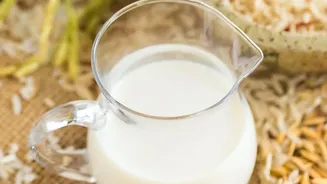
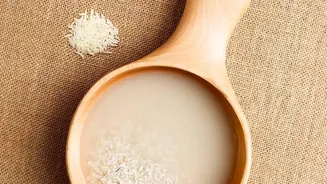
Rice water is packed with trace minerals and nutrients that are beneficial for plant health. While it's not a complete replacement for a balanced fertilizer, it serves as an excellent supplement. The cloudy liquid contains small amounts of nitrogen, phosphorus,
and potassium (N-P-K), the three primary macronutrients essential for plant vitality. Nitrogen supports lush, leafy growth, phosphorus is crucial for strong root systems and flowering, and potassium helps with overall plant vigour and disease resistance. Additionally, rice water is a source of B vitamins, magnesium, zinc, and amino acids, all of which contribute to healthier, more robust plants.
Improves Soil Health and Microbial Activity
One of the most significant advantages of using rice water lies in its ability to feed the soil itself. The liquid is rich in starch, which acts as a slow-release carbohydrate. This starch provides an excellent food source for beneficial microorganisms in the soil, such as lactobacilli bacteria and mycorrhizal fungi. A thriving population of these microbes helps to break down organic matter more efficiently, making nutrients more bioavailable for your plants' roots to absorb. By nurturing this underground ecosystem, you improve the overall structure and fertility of your soil over time, creating a healthier environment for your plants to grow in.
Promotes Stronger Root Development
Healthy roots are the foundation of a healthy plant, and rice water can give them a helpful nudge. The vitamins and amino acids present in the water, particularly B vitamins like thiamine, play a role in stimulating new root growth. This is especially useful when propagating new plants from cuttings or when nurturing young seedlings that are working to establish themselves. Some studies show that fermented rice water is particularly effective, as the fermentation process creates beneficial compounds that further encourage root development. Stronger, more extensive root systems allow plants to absorb water and nutrients more effectively, leading to faster growth and greater resilience.
Offers a Mild Form of Pest Control
While not a powerful insecticide, regular application of rice water can contribute to a healthier garden ecosystem that is less hospitable to pests. Some gardeners report that it helps ward off small insects like flea beetles and flies. This effect may be indirect; by promoting a healthy population of beneficial soil fungi, rice water can boost a plant's natural defences. For example, certain soil fungi supported by the starch in rice water are known to be natural antagonists to common garden pests like aphids and thrips. Using rice water as a soil drench is the best approach, as spraying it on leaves can sometimes attract other issues like mold if not done carefully.
An Eco-Friendly and Frugal Gardening Hack
In a world where sustainability is increasingly important, using rice water is a perfect example of closing a loop in your kitchen. It's a zero-cost resource that every household that cooks rice produces. Instead of letting this nutrient-rich liquid go to waste, you can repurpose it to nourish your garden and houseplants. This reduces your reliance on store-bought chemical fertilizers, which can be costly and have a larger environmental footprint. It is a simple, intuitive way to reduce waste and practice sustainable gardening. Always remember to use water from unsalted rice, and ensure it has cooled completely to room temperature before pouring it on your plants to avoid shocking or damaging the roots.