



Beyond the Cappuccino
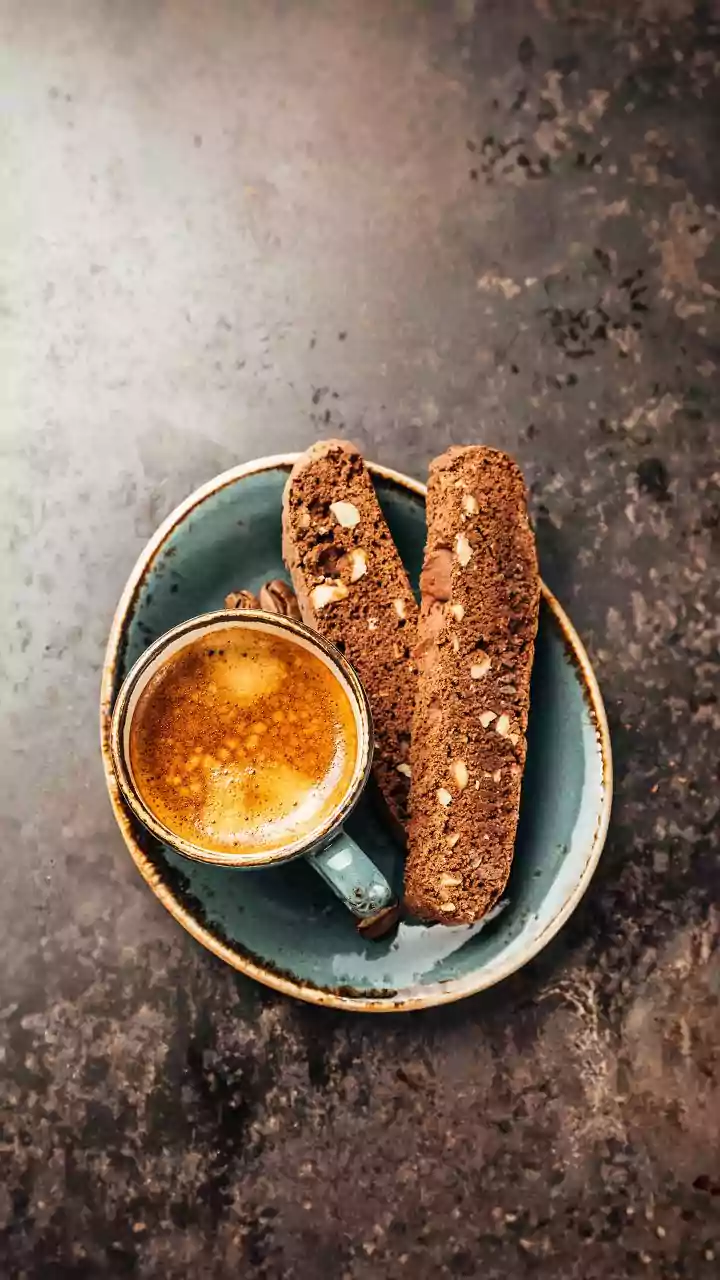
The standard Indian café order is changing. For years, the choice was simple: a cappuccino, a latte, or perhaps a filter coffee. Now, menus are bursting with creativity, reflecting a vibrant culinary shift. Imagine sipping on a Malabar Coconut Cream Latte,
a Rosy Coffee infused with rose syrup, or a cold brew given a regional twist with a splash of tangy kokum. These aren't just novelties; they are part of a larger movement where cafés are becoming playgrounds for flavour. Fruit-infused coffees, like orange Americanos, are gaining popularity, while traditional desserts are being reimagined, such as the intriguing coffee gulab jamun. This evolution signifies a move from coffee as a functional caffeine fix to an experiential beverage. Patrons, especially younger consumers, are no longer content with standardised global chain offerings. They seek unique, memorable drinks that tell a story.
The Rise of the 'Glocal' Palate
This trend is fueled by the rise of a new Indian consumer—one who is globally aware but deeply connected to local roots. This is the principle of 'glocalization' at play: adapting global products and ideas to suit local tastes. We've seen it with fast-food chains introducing items like the McAloo Tikki burger; now, the same phenomenon is transforming the café scene. Millennial and Gen Z customers, who make up a significant portion of specialty coffee consumers, are driving this demand. They have grown up with access to global trends through travel and social media but also have a renewed appreciation for Indian heritage. They want the sophistication of a global coffee format, like a cold brew or a pour-over, but infused with the familiar comfort of local ingredients, from Kerala's kanthari chilli to Himalayan salts. This blend of novelty and nostalgia is creating a uniquely Indian café identity.
From Local Farms to Urban Cups
The innovation isn't just happening behind the counter; it starts at the source. A growing number of cafés are building relationships directly with local farmers and producers, going beyond just coffee beans. These partnerships ensure a steady supply of high-quality, regional ingredients, from the spices in a masala blend to the fruits used in a seasonal syrup. Brands like Blue Tokai and Araku Coffee have championed the bean-to-cup story, educating consumers about the nuances of Indian coffee estates in places like Coorg and Chikmagalur. Now, this philosophy is expanding to include other local produce. Some cafes, championing a 'farm-to-table' concept, source organic vegetables for their food menu and unique botanicals for their drinks, fostering community-supported agriculture. This focus on provenance not only guarantees freshness but also adds a powerful layer of authenticity and sustainability that resonates with modern consumers who want to know the story behind what they consume.
Coffee as a Cultural Hub
This evolution is about more than just the drinks themselves; it's about redefining the role of the café in urban India. Once just a quick stop for a beverage, cafés have firmly established themselves as the 'third place'—a versatile space between home and work for socializing, collaborating, and relaxing. The rise of remote work has only accelerated this trend, with people spending more time in cafés than ever before. To capitalize on this, chains are evolving into all-day destinations. Some are adding extensive food menus with diner-style burgers and pastas, while others are launching dessert-focused sub-brands to attract an evening crowd. The focus is on creating a holistic experience. From thoughtfully designed interiors and curated music to community events, the modern Indian café is a lifestyle hub where the coffee is just one part of a larger cultural conversation.