


A handful of seeds is a powerhouse snack, but did you know a simple, age-old trick can make them even better? Soaking raw seeds before eating them is a small step that makes a big difference in unlocking their full nutritional potential.
The Hidden 'Armor' on Raw Seeds
Raw seeds, nuts,
and grains possess a natural defense system to protect them until conditions are right for germination. This 'armor' consists of compounds often called anti-nutrients, primarily phytic acid and enzyme inhibitors. Phytic acid binds to minerals like iron, zinc, calcium, and magnesium in your gut, which can prevent your body from absorbing them effectively. Enzyme inhibitors, meanwhile, can interfere with your own digestive enzymes, which is why a large handful of raw nuts or seeds can sometimes feel heavy in the stomach or cause bloating.
Unlocking Nutrients with Water
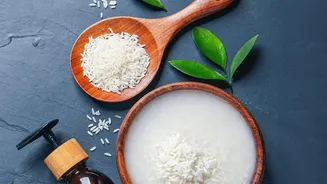
Soaking mimics the natural process of rainfall, signaling to the seed that it's time to germinate and shed its protective layers. This simple act of submerging seeds in water helps to neutralize a significant portion of the phytic acid. It also deactivates the enzyme inhibitors. As these compounds break down, the valuable nutrients within the seed—including minerals and B vitamins—become more bioavailable, meaning your body can absorb and utilize them more easily. The process essentially pre-digests the seed, doing some of the work before it even reaches your stomach.
Soothing Your Digestive System
For many, the most noticeable benefit of soaking seeds is improved digestion. By breaking down tough-to-digest compounds and enzyme inhibitors, soaking can lead to a gentler experience on the gut. This often translates to less bloating, gas, and general discomfort that can sometimes accompany eating high-fibre foods. Certain seeds, like chia and sabja (basil seeds), form a gelatinous coating when soaked. This gel is easy to digest and helps soothe the digestive tract, making it an excellent way to consume fibre without irritation.
A Simple Guide to Soaking Seeds
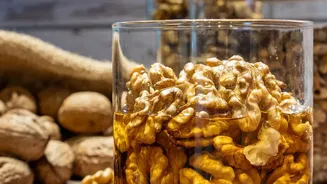
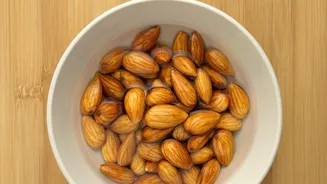
Getting started with soaking is easy. While times vary, a general approach works for many common seeds. Place your raw, unsalted seeds in a glass bowl and cover them with filtered water, using about two parts water to one part seeds. Many guides suggest adding a pinch of unrefined salt. Cover the bowl and let it sit at room temperature. After soaking, it's crucial to discard the soaking water, as it contains the anti-nutrients you're trying to avoid. Rinse the seeds thoroughly under fresh water. You can then eat them immediately, add them to smoothies, or dehydrate them at a low temperature to restore their crunch for later snacking.
Which Seeds Benefit Most from Soaking?
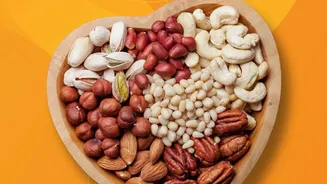
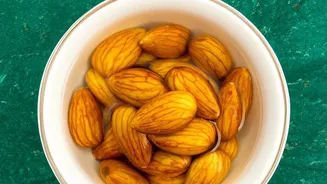
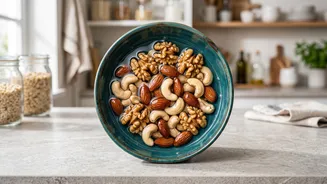
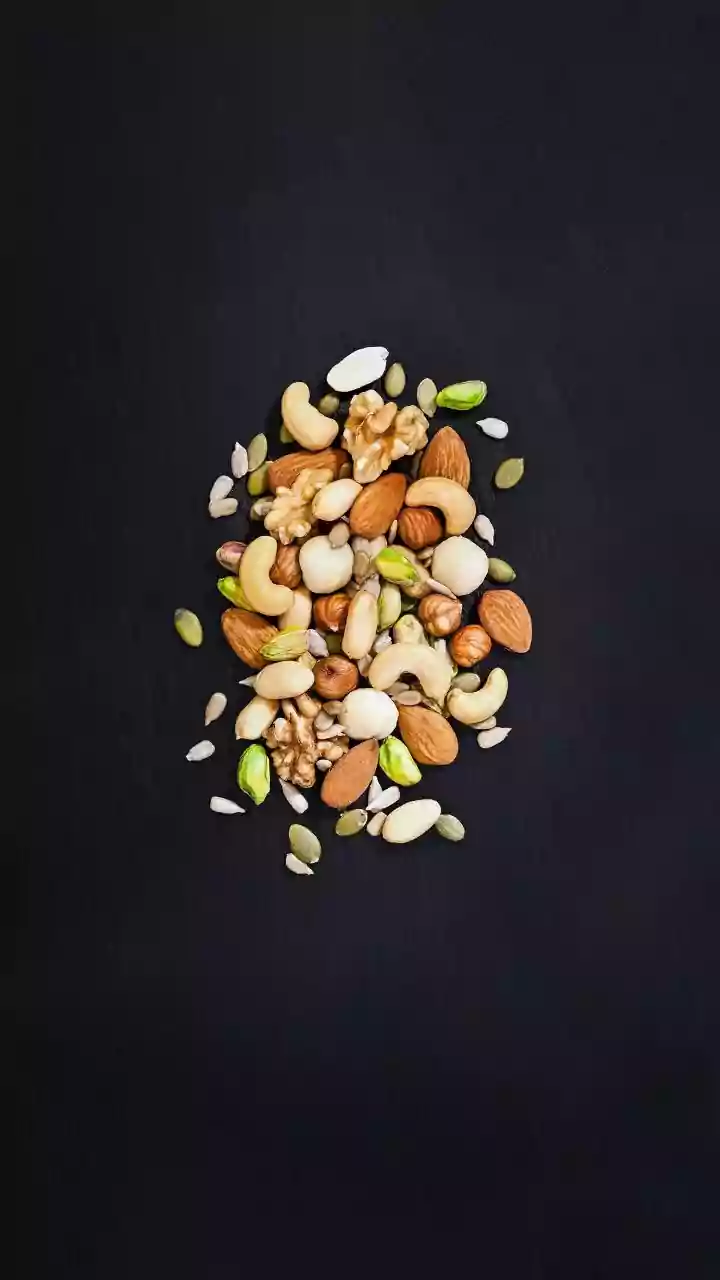
While most raw seeds benefit, some are particularly good candidates for soaking. Flax and chia seeds become gel-like and are easier for the body to process. Almonds, walnuts, and pumpkin seeds become creamier in texture and gentler on the stomach. Sunflower seeds also see benefits in digestibility and nutrient access after a few hours in water. Even tiny sesame seeds, which are surprisingly high in phytic acid, can be made more digestible through soaking. For seeds like flax, some experts also recommend grinding them after soaking to fully access their nutritional benefits.