








The Morning Mayhem Explained
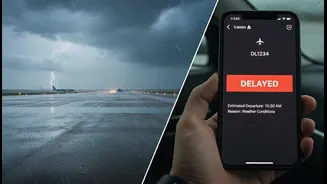
Flying out of Delhi during the monsoon has always required a bit of patience, but this year has proven particularly challenging. Intense spells of rain, often occurring in the early morning hours, are coinciding with the airport's peak departure times.
This weather has led to reduced visibility, strong winds, and unsafe landing and takeoff conditions. The India Meteorological Department (IMD) has issued repeated alerts for the region, forecasting moderate rainfall, thunderstorms, and gusty winds, which directly impact flight operations. On some days, conditions have worsened so much that the IMD has upgraded warnings from yellow to red alerts, signalling the need for extreme caution. As a result, diversions and delays have become common, with several flights recently being rerouted to nearby airports like Jaipur and Lucknow.
Decoding the Airline Advisories
In response to the volatile weather, major airlines including IndiGo, Air India, and SpiceJet have been proactively issuing advisories to passengers. These messages, typically shared on social media platforms like X (formerly Twitter) and through apps, urge travellers to check their flight status before leaving for the airport. A key term to understand is "consequential flights." When an airline warns that departures, arrivals, and their consequential flights might be affected, it means the disruption has a domino effect. A delayed aircraft arriving in Delhi will cause a delay for its next scheduled flight out of Delhi. Airlines have stressed that their teams are closely monitoring the weather to ensure safety, but the situation remains fluid.
The Journey to the Airport Itself
The challenges for flyers begin long before they reach the check-in counter. Heavy downpours have led to waterlogging and traffic snarls on key arterial roads leading to the airport. Airlines have specifically advised passengers to allow for extra commute time due to this slow-moving traffic. A journey that might normally take an hour could be significantly longer, adding another layer of stress to travel plans. This makes the old rule of thumb—reaching the airport two hours before a domestic flight—insufficient. During this season, adding an extra hour or more to your road travel buffer is a wise precaution.
Your New Monsoon Pre-Flight Checklist
Navigating the airport during monsoon requires a new level of preparation. The most critical step is to stay informed. First, download your airline's app and enable notifications for real-time updates on your flight status. Second, check the status before you leave home and again before leaving for the airport. Third, book morning flights where possible, as delays tend to build up and cascade throughout the day. Fourth, pack essentials like medications, a change of clothes, and a power bank in your carry-on luggage in case of long delays or diversions. Finally, build a significant time buffer into your schedule, accounting not just for airport queues but also for potential traffic jams on the way.