





Why This Monsoon Demands More Vigilance
The Southwest Monsoon is advancing across India, and the India Meteorological Department (IMD) has issued warnings for heavy to very heavy rainfall in several regions, including popular Himalayan states. After a relatively dry start to June, the monsoon
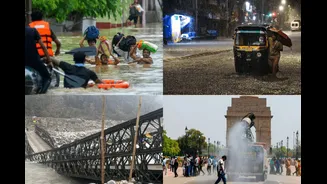
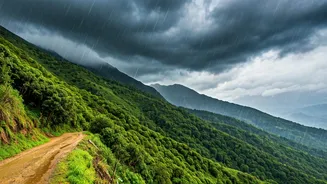
is reviving with intensity. For states like Himachal Pradesh and Uttarakhand, this means an increased threat of landslides, flash floods, and road closures. The IMD has already issued an orange alert for heavy to very heavy rain in parts of Himachal Pradesh for early July. Recent incidents in northeastern states like Arunachal Pradesh, involving flash floods and landslides, serve as a stark reminder of the monsoon's power. This is not a typical season; the combination of saturated slopes from pre-monsoon showers and forecasted intense spells requires a higher level of preparedness from both residents and tourists.
The Twin Dangers: Landslides and Flash Floods
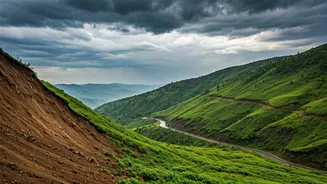
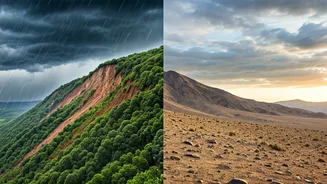
Monsoon beauty can be deceptive. The primary dangers in hill stations are landslides and flash floods, which often occur with little warning. Heavy rainfall saturates the soil on steep slopes, many of which are already destabilized by construction, leading to catastrophic landslides that can block roads or worse. Areas like Shimla, Manali, Mussoorie, and Darjeeling are historically prone to such events. Flash floods are equally dangerous. A sudden, intense cloudburst upstream can send a torrent of water, mud, and boulders down a narrow valley or riverbed, catching people downstream by surprise. It's crucial to understand that you don't have to be in the rain to be in danger; a storm miles away can have deadly consequences.
Before You Travel: A Pre-Trip Checklist
Spontaneity is a joy, but not during a high-risk monsoon. Before even starting your journey, rigorous planning is essential. First, check the latest weather forecasts from the IMD and local authorities for your specific destination. Look for any active 'red' or 'orange' alerts. Second, verify road conditions. Check with local police or transport departments about the status of highways, especially vulnerable stretches like NH-10 to Sikkim/Darjeeling or the routes to Manali and Shimla. Third, book accommodations that are safely located, away from landslide-prone slopes or riverbanks. Opt for flexible bookings that allow for last-minute cancellations if the weather turns severe. Finally, inform a reliable contact about your itinerary and keep them updated.
On the Road: Navigating Hilly Terrain Safely
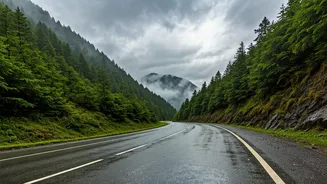
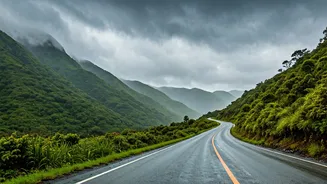
Driving in the hills during monsoon is a test of skill and patience. Ensure your vehicle is in top condition, paying special attention to tyres, brakes, and wipers. Avoid travelling at night at all costs; darkness hides potential hazards like fallen rocks or damaged roads. Drive slowly, maintain a safe distance from the vehicle ahead, and never try to cross a road that is flooded or covered in debris. If you encounter a landslide or find yourself stuck in a long traffic jam, do not leave your vehicle to explore. It's often safer to stay put and wait for instructions from authorities, unless your location is obviously unsafe. Keep a power bank, first-aid kit, and some non-perishable food and water in your car.
At Your Destination: Stay Alert and Stay Safe
Once you've arrived, the need for caution doesn't end. Pay attention to local news and alerts. Avoid trekking or venturing into isolated areas, especially near streams or on steep slopes, as many trails are officially closed for safety. Be wary of so-called 'selfie points' that are often located at dangerous cliff edges or near raging waterfalls. These spots can be slippery and unstable. If you hear any unusual sounds, like rumbling or cracking rocks, move to a safer, higher ground immediately. Trust the advice of local residents and hotel staff; they have invaluable experience with the region's weather patterns and potential dangers.