





On the Move: The Night Commuter's Checklist
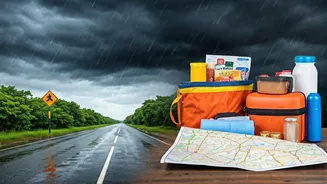
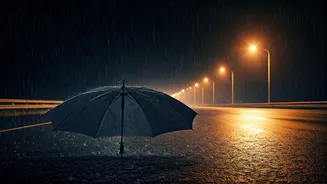
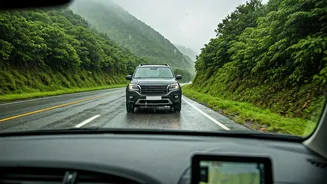
Driving at night during the monsoon demands extreme caution. Heavy rain drastically reduces visibility, and darkness conceals waterlogged potholes and debris. Before you leave, check weather forecasts and traffic updates from local authorities. Ensure
your vehicle's headlights, taillights, and wipers are in perfect working order. Reduce your speed significantly and maintain a greater distance from the vehicle ahead, as braking distances increase on wet roads. For two-wheeler riders, wearing a reflective jacket is crucial. Avoid using hazard lights while moving, as it can confuse other drivers; they are meant for when you are stationary. If visibility becomes too poor, it is safer to pull over and wait for the rain to subside.
At Home: Fortifying Your Shelter
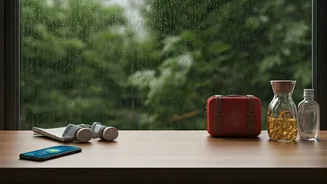
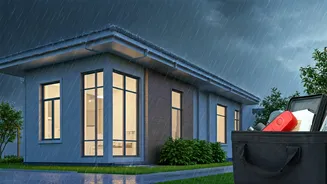
A sudden night storm can expose vulnerabilities in your home. Before the peak season, inspect your roof, walls, and windows for any cracks or leaks and seal them. Clogged drains and gutters are a primary cause of localised flooding, so ensure they are cleared of leaves and debris. Inside, protect your furniture by moving it slightly away from damp walls to allow for air circulation and prevent mould. Power cuts are a common occurrence during heavy rains. Prepare an emergency kit with rechargeable lanterns or torches, spare batteries, and fully charged power banks for your phones. It's also wise to unplug expensive electronics during a thunderstorm to protect them from voltage surges.
Health Watch: Monsoon Maladies and Prevention
Getting drenched in the rain, especially at night, can make you more susceptible to illness. The high humidity creates a breeding ground for bacteria and fungi. If you get wet, change into dry clothes immediately and take a warm bath to normalise your body temperature. Boosting your immunity is key during this season. Focus on eating fresh, home-cooked meals and avoid street food, which can be a source of water-borne diseases like typhoid and cholera. Ensure your drinking water is either boiled or purified. To prevent vector-borne diseases like dengue and malaria, wear long-sleeved clothing and use mosquito repellents. Also, ensure there is no stagnant water collecting in or around your home, as these are breeding grounds for mosquitoes.
The Monsoon Emergency Kit
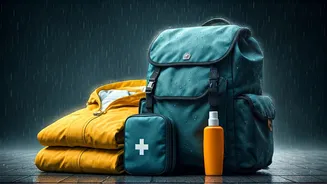
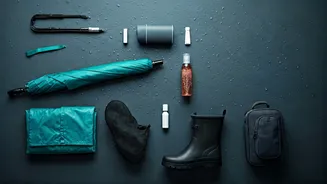
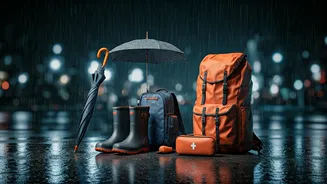
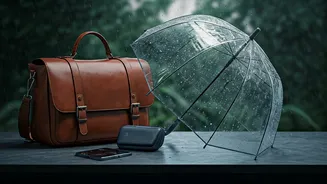
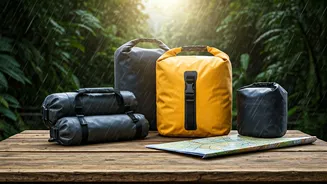
Being prepared can significantly reduce stress during a downpour or power outage. Every household should have a designated monsoon emergency kit that is easily accessible. This kit should contain several key items. For lighting, include a powerful flashlight, a rechargeable emergency lantern, and extra batteries. A well-stocked first-aid box with antiseptic liquid, bandages, pain relievers, and any personal prescription medications is essential. Keep a high-capacity power bank charged and ready to keep your communication devices active. It's also practical to have non-perishable snacks like energy bars, nuts, and biscuits, along with a store of safe drinking water. Finally, waterproof bags or pouches are invaluable for protecting important documents and small electronics.