





The Universal Problem of Size
If you've ever found that a size 'M' from one brand fits like a 'L' from another, you're not alone. The fashion industry lacks a universal sizing standard, which means each brand creates its own size chart based on a specific target customer. This variation,
sometimes worsened by practices like "vanity sizing" where sizes are intentionally mislabeled to seem smaller, is the primary reason for confusion and high return rates. In fact, an estimated 44% of all fashion returns are due to wrong fit or size, creating a cycle of ordering, returning, and reordering that is both costly and inconvenient. Understanding this reality is the first step toward becoming a smarter shopper. Instead of relying on inconsistent labels like 'S', 'M', or 'L', the key is to rely on your own body's data.
Mastering Your Core Measurements
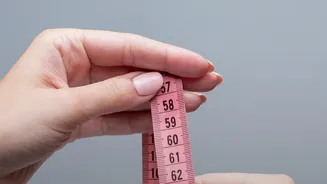
Before you can shop effectively, you need an accurate snapshot of your body. All you need is a flexible sewing tape. For best results, measure yourself in front of a mirror wearing minimal, non-bulky clothing. Keep the tape snug but not tight, and stand in a relaxed, natural posture. The three essential measurements are your bust, waist, and hips.Bust: Wrap the tape around the fullest part of your chest, ensuring it's level across your back.Waist: Find the narrowest part of your torso, usually just above your belly button. This is your natural waist. A simple trick is to bend to one side; the point where your body creases is the spot to measure.Hips: Measure around the widest part of your lower body, which includes the fullest part of your seat.Record these numbers and keep them handy on your phone or in a notebook. These are your new foundation for every online purchase.
The 'Updated' Measurements for a Better Fit
While bust, waist, and hips are crucial, several other measurements provide the detailed information needed for specific garments, elevating your fit from 'good enough' to 'perfect'. These are the 'updated' measurements that savvy shoppers use:Shoulder Width: Measure from the bony point of one shoulder across your back to the other. This is essential for a well-fitting blazer, jacket, or structured top, preventing pulling or slouching.Inseam: Measure the inside of your leg, from the crotch down to your desired pant length or ankle. This is non-negotiable for buying trousers and jeans online, as it determines whether they will bunch up or hang too short.Sleeve Length: Measure from your shoulder bone down to your wrist. This helps avoid the common problem of sleeves that are too long or too short.Torso Length: Measure from the base of your neck down to your natural waistline. This is particularly useful for one-piece items like dresses and jumpsuits, ensuring the waistline sits correctly and the garment doesn't pull uncomfortably.
How to Use Your Measurements Effectively
Having your measurements is only half the battle; knowing how to use them is what makes the difference. Always ignore the generic size letter and head straight for the brand’s specific size chart, which is usually found on the product page. Compare your body measurements to the chart to find your recommended size. It's important to know that a size chart typically shows body measurements, not the final dimensions of the clothing itself.Pay close attention to fit descriptions like 'slim fit', 'relaxed fit', or 'oversized', as these terms tell you how the garment is intended to drape. Also, consider the fabric. Materials like cotton and linen have little stretch, while jersey or fabrics with spandex offer more flexibility. When you're between sizes, a good rule of thumb is to size up for non-stretch fabrics. Finally, read customer reviews, which often contain valuable, real-world feedback on whether an item runs large, small, or true to size.
Leveraging Technology for a Perfect Fit
Beyond the measuring tape, technology offers new ways to solve the sizing puzzle. AI-powered body scanning apps are emerging as a powerful tool for online shoppers. Companies like Mirrorsize and 3DLOOK offer apps that use your smartphone's camera to take a couple of photos and generate dozens of precise body measurements in seconds. Some of these apps, trained on diverse body types including those in India, claim an accuracy that can match or exceed that of a professional tailor. Many brands are beginning to integrate these tools, offering size recommendations based on your unique data. While not yet widespread, these technologies point to a future where guessing your size becomes a thing of the past, making online shopping a more seamless and reliable experience.