

Beyond Flavour: Thinking in Textures
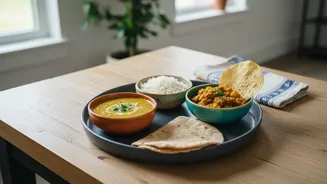
When we cook, we often focus on flavour—salty, sweet, sour, bitter, and umami. But texture is the unsung hero of a great dish. It is the crunch of a fresh salad, the creaminess of a dal makhani, or the chewiness of perfectly cooked paneer. Each ingredient
in a recipe serves a purpose, and often, its primary role is textural. By understanding an ingredient's textural contribution, you can make smarter substitutions that preserve the dish's intended character. This approach moves you from simply replacing one item with another to understanding why the swap works, empowering you to become a more intuitive and resourceful cook.
The Core Textural Groups
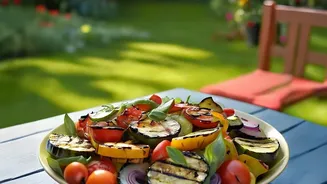
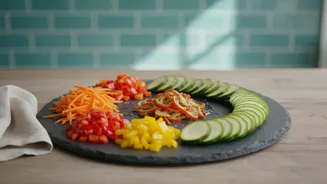
To simplify things, we can group ingredients into broad textural categories. This isn't an exact science, but a framework to guide your choices. The main textures to consider are: Creamy and Rich (like yogurt, avocado, coconut milk), Crunchy and Crispy (nuts, seeds, fried onions), Chewy and Substantial (paneer, mushrooms, dense vegetables like potatoes), and Soft and Tender (cooked lentils, steamed vegetables, tofu). When you need a substitute, first identify which group the missing ingredient belongs to. This immediately narrows your options and points you toward a successful swap.
Swapping for Creaminess and Richness
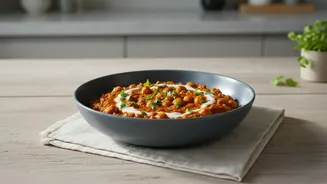
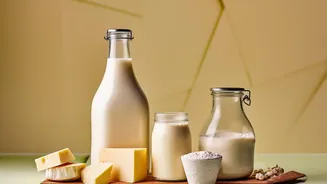
Creamy ingredients add body, richness, and a luxurious mouthfeel. They are common in gravies, soups, and desserts. If a recipe calls for fresh cream, you can often substitute with thick yogurt (curd), coconut milk, or a paste made from soaked cashews or almonds for a similar effect. Running out of potatoes for a thick, hearty stew? Other starchy vegetables like sweet potatoes or even certain types of squash can provide that same comforting density. The goal is to replicate the smooth, rich texture that holds the dish together.
Finding the Right Crunch and Crisp
Crunchy elements are all about providing contrast and making a dish more exciting to eat. They are often used as a garnish or a final-touch ingredient. If you don't have breadcrumbs for a crispy coating, crushed crackers, pretzels, or even some breakfast cereals can work in a pinch. For topping a biryani or pulao, if you're out of fried onions, toasted nuts like almonds or cashews, or even roasted seeds like sunflower or pumpkin seeds, can provide that much-needed textural pop. The key is to add a component that offers a satisfying snap against the softer elements of the dish.
Substitutes for Chewy and Substantial Foods
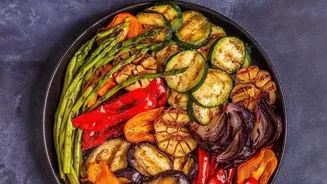
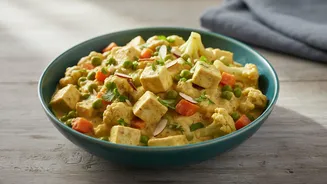
These ingredients provide the satisfying 'bite' and bulk in a meal, making it feel complete and filling. Paneer is a classic example in Indian cuisine. If you don't have it, firm tofu can offer a similar chewiness, especially after being pressed to remove excess water. Large, fleshy mushrooms or chunks of jackfruit can also stand in for meat or paneer in many gravies, providing a substantial texture that absorbs flavours well. When substituting a main vegetable, think about its density. For instance, lauki (bottle gourd) can replace zucchini in many dishes, though it might need slightly longer cooking.
Making It a Habit
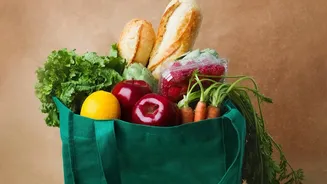
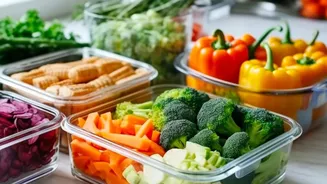
Adopting a texture-first mindset can transform your grocery shopping and kitchen habits. Before you go shopping, think about the textures you want to eat this week—a crunchy salad, a creamy curry, a substantial stir-fry. This helps you build a versatile pantry. When you find yourself with a surplus of a certain vegetable, think about its textural properties and how it can be adapted into different meals. This approach not only saves you from last-minute trips to the store but also helps reduce food waste and encourages culinary creativity. You'll start seeing your pantry not as a collection of specific items, but as a palette of textures ready to be combined.