





Why the Monsoon Magnifies Food Safety Risks
During the rainy season, high humidity allows harmful bacteria like Salmonella, E. coli, and Listeria to multiply rapidly on food. [4, 5, 9] This problem is compounded by potential water contamination, as heavy rains can cause sewage to mix with drinking
water supplies. [4, 7, 14] These conditions lead to a sharp increase in foodborne and waterborne illnesses such as gastroenteritis, typhoid, cholera, and diarrhoea. [2, 11] In fact, studies show a clear spike in disease outbreaks in India during the monsoon months, with a significant portion stemming from contaminated food and water. [14] Even food that looks clean can harbour microorganisms if not handled correctly. [14]
Handle Fresh Produce with Extra Care
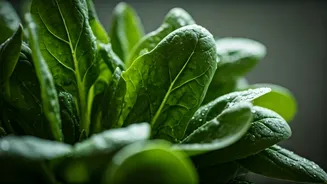
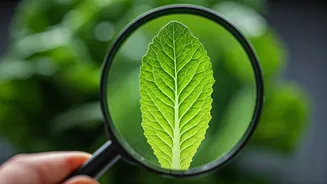
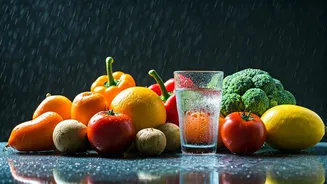
Fresh fruits and vegetables, especially leafy greens like spinach and cabbage, can trap dirt, germs, and even larvae during the monsoon. [13, 17] Simply rinsing them is not enough. Health experts recommend a more thorough cleaning process. Start by washing your hands with soap for at least 20 seconds. [12, 16] Then, wash the produce under clean, running water. [6, 17] For a deeper clean, soak vegetables in a bowl of water with either a tablespoon of salt or a solution of one part vinegar to three parts water for about 10-15 minutes. [6, 17] This helps dislodge hidden pests and reduce microbial presence. For root vegetables like potatoes and carrots, use a brush to scrub the surface clean. [6]
Navigating the Allure of Street Food
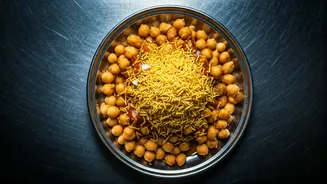
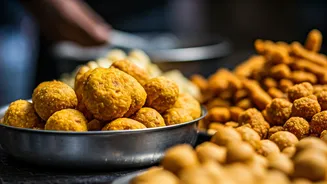
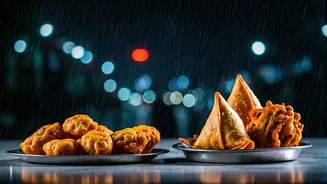
The craving for hot, spicy street food intensifies during a downpour, but this is where maximum caution is needed. Street food is a major source of infections during the monsoon, often due to the use of unsafe water and unhygienic preparation methods. [2, 18] Items like pani puri, pre-cut fruit salads, and raw chutneys carry the highest risk because they often involve uncooked ingredients and untreated water. [3, 9, 18] If you must indulge, opt for vendors who maintain visible hygiene and prepare food fresh in front of you. [8, 18] Safer choices include freshly fried hot snacks like pakoras or bhajiyas, roasted corn on the cob (bhutta), and steaming hot momos or idlis, as the high cooking temperature kills most germs. [3, 8] Always avoid ice from unknown sources and drink only bottled or boiled water. [2, 20]
At-Home Hygiene Habits to Adopt
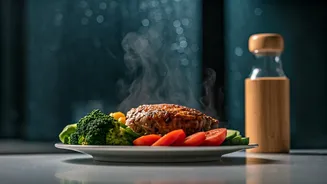
Your kitchen is your first line of defence. The Food Safety and Standards Authority of India (FSSAI) emphasizes several key practices for the season. [15] Always wash your hands thoroughly with soap before preparing or eating food. [10, 15] To prevent cross-contamination, use separate cutting boards and utensils for raw and cooked foods. [2] Cook food thoroughly, especially meat and seafood, ensuring it reaches a high internal temperature to kill any pathogens. [2, 10] Refrigerate leftovers promptly in airtight containers and reheat them properly before consuming, bringing gravies and soups to a rolling boil. [2, 15] Food spoils much faster in the humid monsoon weather, so it's best to cook smaller quantities and eat fresh. [5, 12]
Boost Your Immunity Naturally
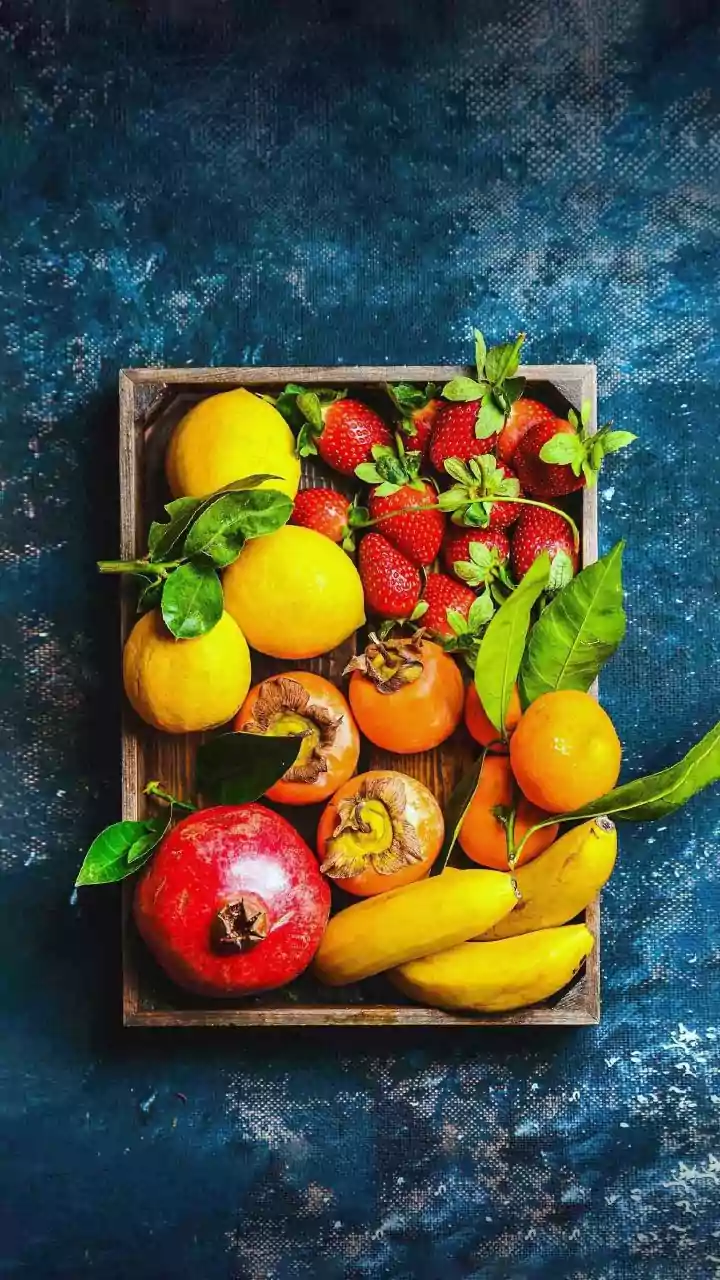
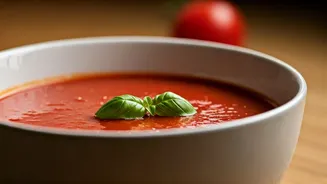
A strong immune system can help your body fight off infections. Incorporating certain foods into your diet can provide a natural boost. Spices and herbs like garlic, ginger, turmeric, and pepper are known for their immunity-boosting properties. [15] Including warm, comforting foods like soups and khichdi can also be beneficial. [10] Staying well-hydrated is crucial, so ensure you drink plenty of boiled or purified water throughout the day. [10, 12] Consuming fruits rich in Vitamin C, such as oranges, is another excellent way to strengthen your body's defences against the common illnesses that circulate during the monsoon. [20]