







The Urban Health Puzzle
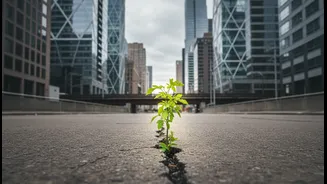
Life in India's bustling cities presents a paradox. There's a growing consciousness about health, with the fitness market projected to more than double by 2030, and a surge in wellness searches online. Yet, the urban environment itself creates significant
hurdles. Long commutes, high-pressure jobs, chronic stress, and pervasive pollution make consistency difficult. This has led many to adopt health routines that are intense and often expensive, but ultimately unsustainable. The clash between the desire for well-being and the realities of city life often results in burnout, with treadmills gathering dust and diet plans abandoned.
Beyond Kilometres and Kilos
A significant shift is underway in how urban Indians define 'healthy'. The focus is slowly moving from purely metric-driven goals—like calories burned or kilos lost—to a more holistic and sustainable vision of wellness. This broader definition includes mental and emotional balance, quality of sleep, and stress management. People are recognising that physical health is incomplete without mental peace. This change is crucial for sustainability; a routine that nurtures the mind and provides genuine rest is one that people are more likely to stick with long-term, moving away from a culture of high-intensity performance to one of longevity and functional fitness.
The Wisdom in Our Kitchens
For years, wellness trends were often imported, leading to a reliance on expensive superfoods and complex diets. Now, there's a powerful counter-movement: a return to traditional Indian wisdom. This involves embracing local, seasonal produce and the nutritional power of millets, dals, and spices that have been part of our kitchens for generations. Ayurveda, once seen as purely medicinal, is being integrated into daily life through simple habits like drinking herbal teas, using calming oils, and aligning meals with natural body rhythms. This shift makes healthy living more financially and environmentally sustainable, grounding wellness in cultural authenticity rather than fleeting global fads.
Finding Fitness Together
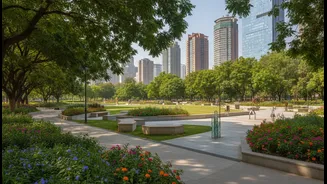
The solitary pursuit of fitness, often confined to a gym or a home workout app, is giving way to more community-centric activities. Urban dwellers are discovering the motivational power of exercising together. Neighbourhood running clubs, laughing clubs in local parks, mass yoga sessions, and community-driven fitness events are on the rise. These groups provide not just a structured way to stay active but also a vital sense of social connection and accountability. This addresses the mental and emotional components of well-being, making the routine more enjoyable and less of a chore. Building a fitness community can be a more powerful motivator than any app notification.
Using Tech Smarter
Technology remains a key part of the urban wellness landscape, but its role is evolving. While wearables and fitness apps are ubiquitous, the trend is moving beyond mere data tracking towards using tech as a facilitator. It’s now about connecting people with local coaches, providing access to guided meditation and breathwork, or using platforms to source organic produce from nearby farms. Instead of tech being the routine itself, it is becoming a smarter tool to support a balanced lifestyle, making it easier to integrate healthier habits into the demanding schedule of city life. The focus is shifting from tech-driven intensity to tech-enabled consistency.