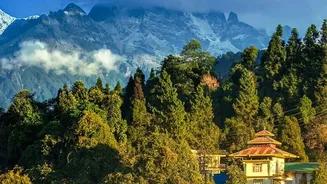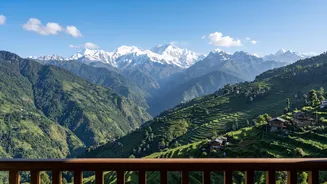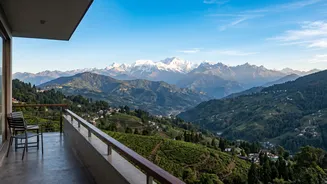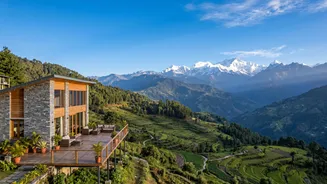





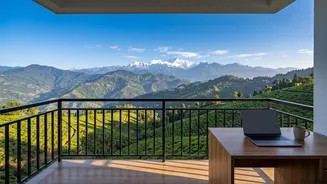

The Allure of the Himalayan Office
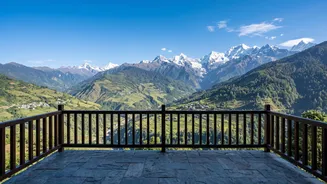
The post-pandemic shift to flexible work has fundamentally changed where and how we operate. For a growing number of tech professionals, the corner office now comes with a view of the Himalayas. This isn't just about a change of scenery; it's a strategic
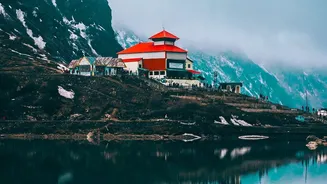
move for well-being. The serene environment of the mountains is seen as a direct antidote to urban stress, offering fewer distractions and a natural boost to mental health and creativity. Regions like Sikkim and Kalimpong have become hotspots for this new wave of 'workation' culture, where productivity is paired with peaceful, panoramic views. This migration is driven by a desire to blend focused work with a slower, more intentional lifestyle, far from the frantic pace of city life.
Beyond Wi-Fi: Defining a 'Work-Ready' Homestay
In the mountains, a truly work-ready homestay goes far beyond a simple Wi-Fi connection. While stable internet is non-negotiable, the definition of 'digital hospitality' has evolved. Professionals must verify the availability of power backups, as hill stations are often prone to power cuts. A dedicated inverter or a router UPS can be the difference between a productive day and a frustrating one. Furthermore, it's crucial to check for strong mobile network reception from providers like Jio or Airtel to serve as a reliable backup hotspot. A comfortable, dedicated workspace with an ergonomic chair is also essential for long stays, preventing the physical strain of working from a bed or a sofa. Quiet is the ultimate luxury, so it's wise to ensure your chosen stay isn't located near noisy roads or commercial areas.
Platforms and People: The Booking Process
The search for the perfect mountain homestay often begins on mainstream platforms like Airbnb, Booking.com, and Agoda, which list numerous options in Kalimpong and Sikkim. These sites are useful for initial research, offering filters for amenities like Wi-Fi and dedicated workspaces. However, the real gems are often found through local, specialized agencies and directories like 'Homestays Sikkim' or 'BeBanZaras India'. These platforms often feature personally verified properties, ensuring they meet the specific needs of remote workers. Social media, particularly Facebook groups dedicated to travel in the region, can also be a valuable resource for recommendations and connecting directly with hosts. For long-term stays, it's often more economical to negotiate rates directly with the owner after an initial discovery.
Due Diligence: How to Vet Your Mountain Retreat
Before committing to a long-term booking, conducting thorough due diligence is crucial. Always ask the host for a recent screenshot of an internet speed test; aim for a minimum of 30-50 Mbps for smooth video conferencing. Scrutinize recent reviews, paying close attention to comments about connectivity, power stability, and noise levels. Don't hesitate to ask specific questions about the power backup system and which mobile networks work best at the location. Using Google Maps to check the property's proximity to potential sources of noise like main roads, temples, or markets is also a smart move. For those planning an extended stay of a month or more, it's worth inquiring about weekly or monthly discounts, which are often available.
The Yakten Model: India's First Digital Nomad Village
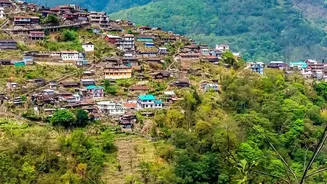
A noteworthy development in Sikkim is the emergence of Yakten, a village in the Pakyong district, which has been developed as India's first dedicated digital nomad village. This community-driven initiative offers a streamlined experience for remote workers. The village's eight homestays are equipped with reliable high-speed internet, 24/7 power backup, and dedicated work desks. The model ensures that visitors get a seamless work experience while contributing directly to the local economy in a sustainable way. Booking is typically handled through a centralized system that ensures all host families benefit, providing an authentic cultural immersion alongside a productive work environment. A month-long stay, including Wi-Fi and community access, is competitively priced, making it an attractive option for those seeking a structured yet profound mountain experience.