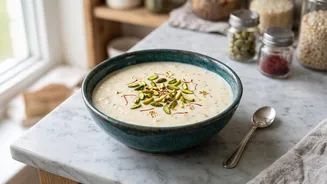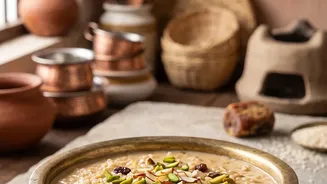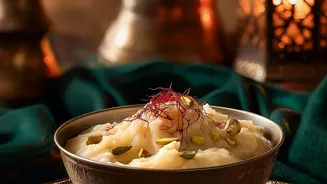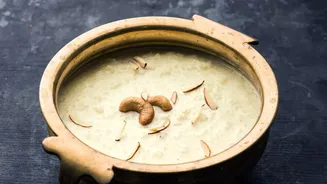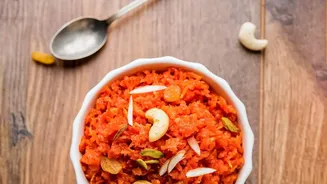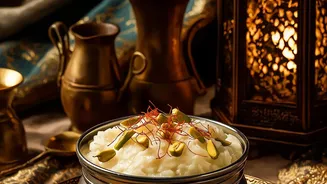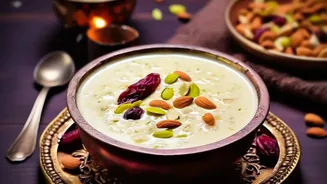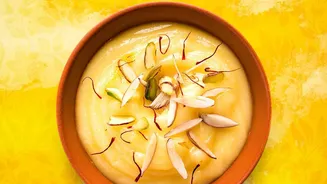


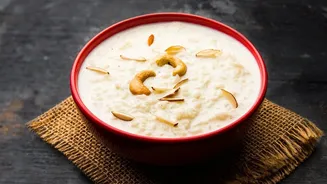
Imagine ending a festive meal not with a heavy dessert, but with a chilled, creamy pudding that is both traditional and refreshingly modern. That is the magic of Sitaphal Phirni, a delightful twist on a beloved North Indian classic.
A Royal Dessert Reimagined
Phirni is a quintessential
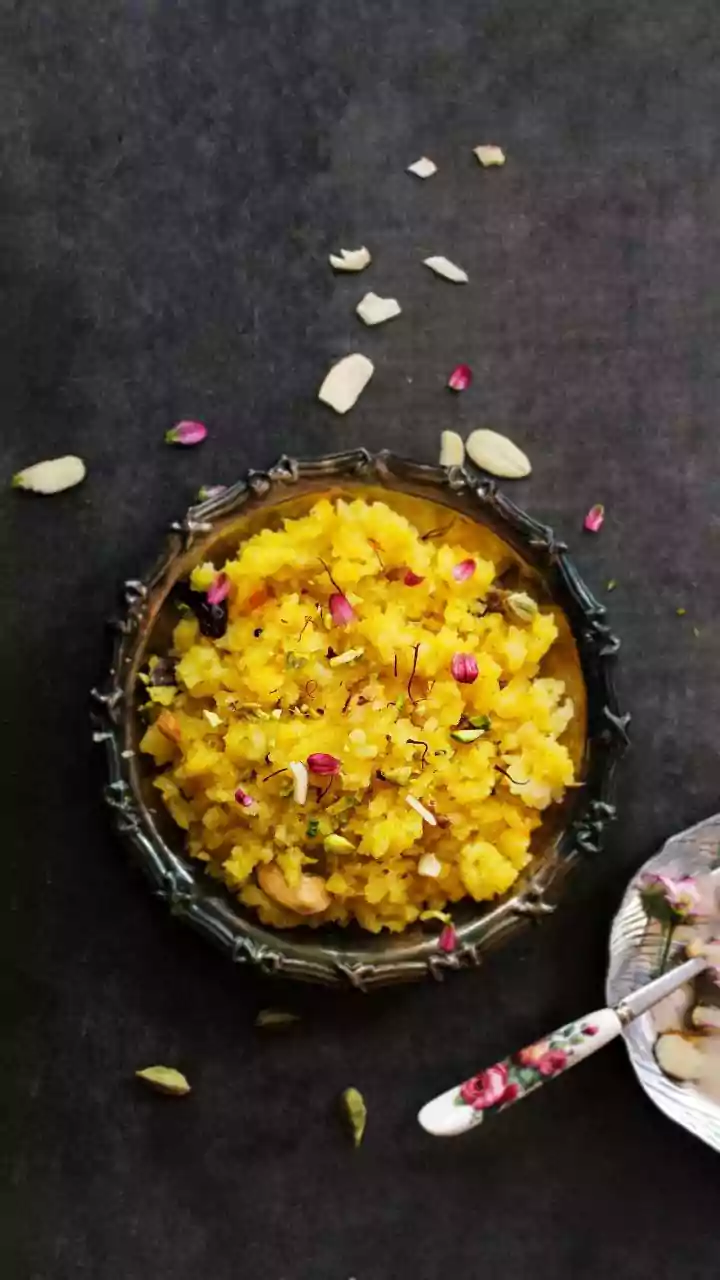
Indian sweet with roots stretching back to Persian and Mughal kitchens. Unlike kheer, which uses whole grains of rice, phirni is made by slow-cooking coarsely ground rice in milk until it forms a thick, velvety pudding. Traditionally flavoured with cardamom, saffron, or rose water, it is a dessert synonymous with celebrations like Eid, Diwali, and weddings. The addition of sitaphal, or custard apple, elevates this classic dish. The fruit's natural, honeyed sweetness and creamy texture blend seamlessly with the milky rice base, creating a dessert that feels both indulgent and light. The natural sweetness of the sitaphal also means you can often use less sugar, making it a thoughtful choice for guests.
Gather Your Ingredients
Making Sitaphal Phirni requires a few simple, high-quality ingredients. The star, of course, is the fruit. For the best flavour, you'll need:
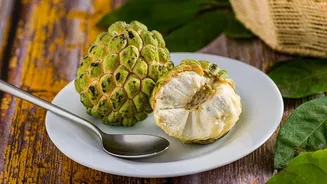
Sitaphal (Custard Apple): Choose ripe, soft fruits. You will need about 1 cup of deseeded pulp. To prepare it, simply scoop the flesh out, press it through a sieve to remove the black seeds, and mash the pulp lightly.
Rice: Fragrant basmati rice is the traditional choice for its aroma. You will need about 1/4 cup. Wash the rice well and soak it for at least 30 minutes.
Milk: Full-fat milk is essential for a rich, creamy texture. Use about 1 litre.
Sugar: About 1/2 cup, but you can adjust this based on the sweetness of your sitaphal.
Flavourings: A pinch of green cardamom powder and a few strands of saffron will add warmth and fragrance.
Garnish: Sliced almonds and pistachios add a welcome crunch and visual appeal.
The Art of Preparation
The secret to a perfect phirni lies in its texture, which comes from patient, slow cooking. Here is a step-by-step guide:
1. Prepare the Rice: After soaking, drain the rice completely. Grind it in a mixer to a coarse, semolina-like texture. Do not over-grind it into a fine powder. You can then mix this ground rice with a little cold milk to form a paste, which helps prevent lumps from forming later.
2. Cook the Milk: In a heavy-bottomed pan, bring the milk to a boil. Once it boils, reduce the heat to low.
3. Combine and Cook: Add the rice paste to the simmering milk, stirring continuously to avoid lumps. Let the mixture cook on low heat for 15-20 minutes, stirring frequently. Scrape the sides of the pan to incorporate the cream back into the phirni. The mixture is ready when the rice is completely cooked and the pudding has thickened.
4. Sweeten and Flavour: Add the sugar and cardamom powder, and cook for another 5 minutes until the sugar dissolves completely. You can also add saffron soaked in a tablespoon of warm milk at this stage for a beautiful colour and aroma.
5. Cool and Add Sitaphal: Turn off the heat and let the phirni cool down slightly. It is important not to add the fruit pulp to the hot mixture. Once the phirni is warm, gently fold in the sitaphal pulp.
Tips for a Flawless Phirni
Keep these tips in mind for a dessert that will have your guests asking for the recipe:
Soak the Rice: Soaking the rice for at least 30 minutes is a non_negotiable step. It ensures the grains soften and grind to the right consistency.
Low and Slow: Do not rush the cooking process. Simmering the phirni on low heat is crucial for developing its creamy texture and preventing it from scorching at the bottom of the pan.
Stir Constantly: Especially after adding the rice, frequent stirring is key to a smooth, lump_free pudding.
Check Consistency: The phirni will thicken significantly as it cools. Cook it until it is thick but still has a pouring consistency. A good test is to see if it coats the back of a spoon.
* Chill Thoroughly: Phirni is always best served chilled. Let it set in the refrigerator for at least 4_5 hours, or preferably overnight, for any best flavour and texture.
Serving with a Touch of Tradition
The traditional way to serve phirni is in small, shallow earthen bowls called 'shikoras' or 'matkas'. These unglazed clay bowls are not just for aesthetics; their porous nature allows them to absorb excess moisture, which helps thicken the phirni further and imparts a subtle, earthy aroma. If you plan to use them, soak the clay pots in water for about 30 minutes before pouring in the phirni. Pour the prepared phirni into the bowls, garnish generously with sliced pistachios and almonds, and let them chill. When it is time to serve, the cool, fragrant, and creamy Sitaphal Phirni will be the perfect sweet ending to your meal, leaving your guests utterly impressed.