



The Nutritional Powerhouse
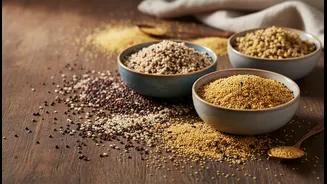
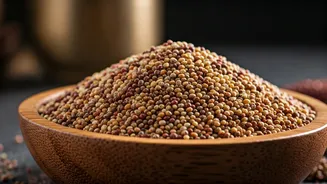
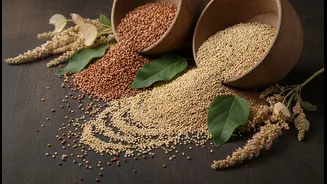
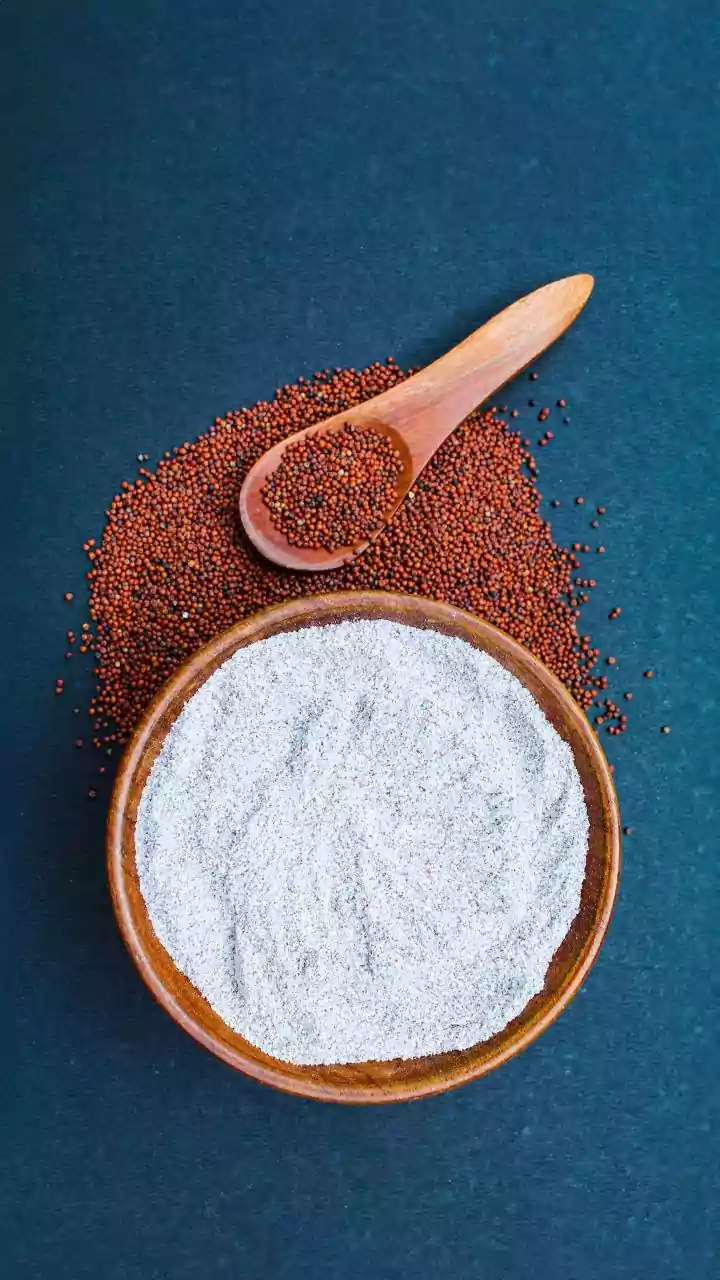
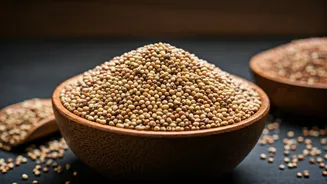
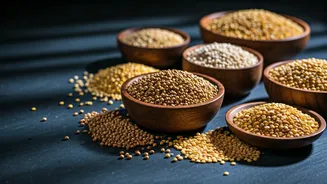
The primary driver behind this trend is a renewed focus on nutritional density. While oatmeal is a healthy choice, ragi (finger millet) and amaranth (rajgira) are nutritional powerhouses in their own right. Ragi is exceptionally rich in calcium, containing
significantly more than other cereals, making it excellent for bone health. It is also packed with iron and dietary fibre, which aids digestion and promotes a feeling of fullness, helping with weight management. Amaranth is a complete protein, meaning it contains all nine essential amino acids, including lysine, which is often lacking in other grains. It's also a good source of manganese, magnesium, and iron. Both grains are naturally gluten-free, catering to a growing demographic with gluten sensitivities or those looking to reduce their intake. This impressive nutritional profile offers sustained energy release without the sugar spikes associated with more processed breakfast options.
A Return to Cultural Roots
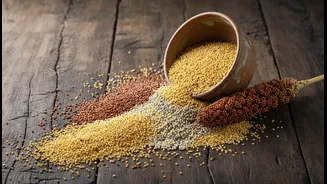
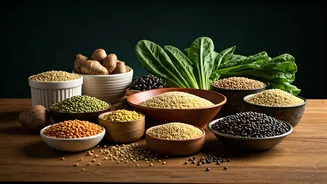
For many urban professionals, this dietary shift is also a form of cultural reconnection. After decades where modern, often Western, food choices were seen as aspirational, there is a growing movement to rediscover and celebrate India's own culinary heritage. Millets like ragi and jowar, and pseudocereals like amaranth, were staples in Indian diets for thousands of years before the Green Revolution prioritized wheat and rice. This return isn't just about nostalgia; it's about embracing foods that are intrinsically suited to the Indian climate and body. Adopting these grains is seen as an authentic way to nourish oneself, rooted in traditions that have been time-tested for generations. This movement positions these 'ancient grains' not as a compromise, but as a premium, conscious choice.
Convenience Meets Tradition
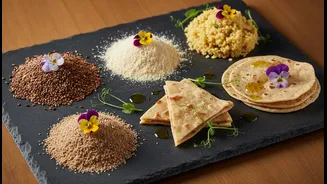
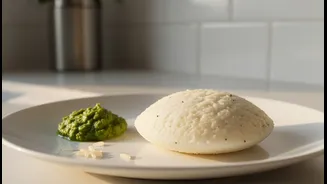
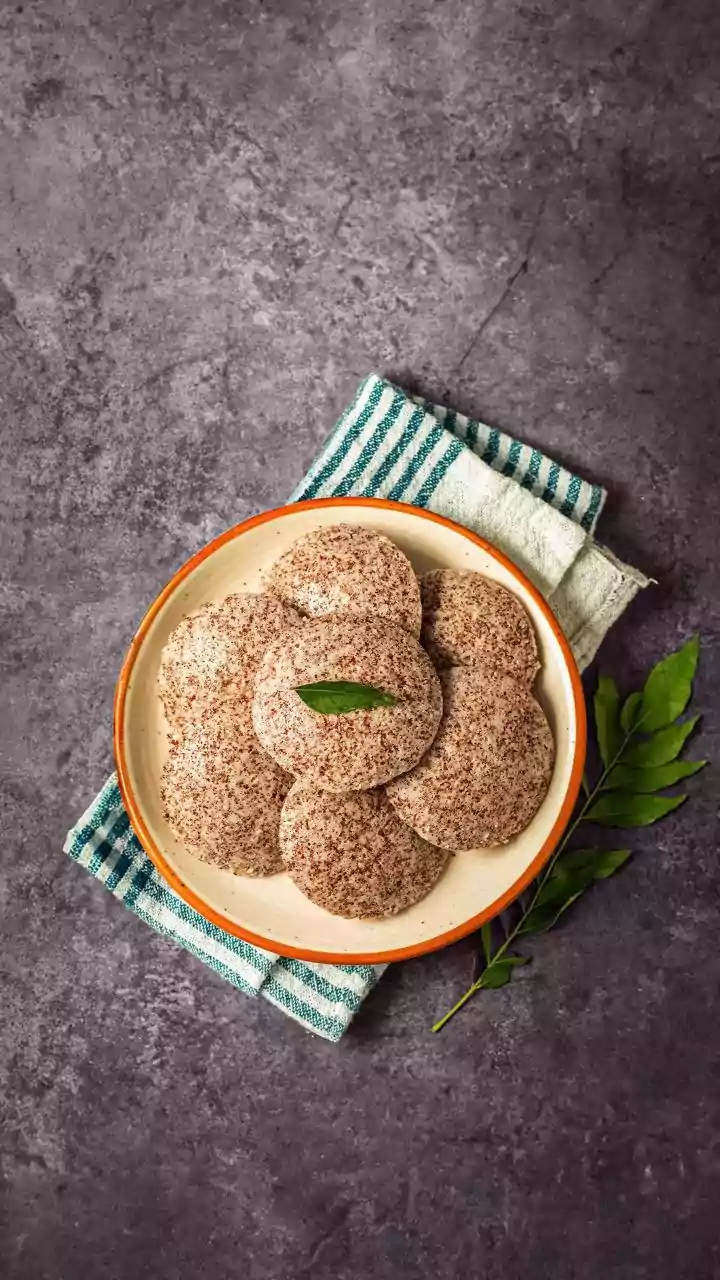
The modern resurgence of these grains would not be possible without innovation in food technology. Historically, preparing traditional grains could be time-consuming. Today, brands are making ragi and amaranth incredibly accessible through formats like breakfast malts, porridges, and flours that are easy and quick to prepare. These products offer the best of both worlds: the profound nutritional benefits of traditional foods combined with the convenience demanded by a fast-paced urban lifestyle. Sprouting, a process used in many ragi malts, enhances the nutritional value of the grain by making minerals more bioavailable and easier to digest. This blend of tradition and modernity allows consumers to incorporate these superfoods into their daily routine without hassle.
How They Stack Up Against Oatmeal
The choice between these traditional grains and oatmeal isn't about one being 'good' and the other 'bad'. Oats are celebrated for their high protein content and a specific type of soluble fibre called beta-glucan, which is known to support heart health. However, when it comes to specific nutrients, the differences are notable. Ragi's standout feature is its high calcium content, which oats cannot match. Amaranth offers more protein than oatmeal and is a complete protein source. For individuals managing blood sugar, ragi's lower glycaemic index can be particularly beneficial. Ultimately, the shift isn't a complete rejection of oatmeal but rather an expansion of the breakfast pantry, with many health-conscious individuals choosing to alternate between these grains to get a wider array of nutrients.