






The Undefeated Fibre Champion
Here’s the single biggest difference between eating an orange and drinking its juice: fibre. When you eat a whole fruit, you consume both soluble and insoluble fibre. This miraculous substance does more than just aid digestion. It slows down the absorption
of sugar into your bloodstream, preventing those dreaded energy spikes and crashes. It also helps you feel full and satisfied for longer, which is a massive advantage for anyone managing their weight. Juicing, on the other hand, strips away almost all of this precious fibre, leaving you with what is essentially a glass of sugar water, albeit with some vitamins. Think of it this way: the fibre in a whole fruit is like a natural traffic controller for sugar, ensuring it enters your system in a slow, manageable way.
A Full Arsenal of Nutrients
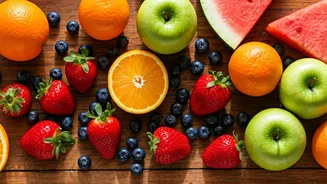
Many of a fruit’s most powerful nutrients, like antioxidants and flavonoids, are concentrated in its skin, pulp, and the tiny membranes holding it all together. An apple’s peel, for instance, is packed with quercetin, a powerful antioxidant. The white pith of an orange contains hesperidin, which has anti-inflammatory benefits. When we juice fruits, we discard these vital components. Eating the fruit whole ensures you get the complete package of vitamins, minerals, and phytonutrients, working in synergy just as nature intended. This natural combination is often more effective than consuming isolated vitamins from a supplement or a processed drink. It’s the difference between hearing a single instrument and experiencing a full orchestra.
Smarter Energy, No Sugar Rush
We often worry about the sugar in fruit, but the form it comes in matters immensely. Because the fibre in whole fruit slows down digestion, the natural fructose is released gradually. This gives your body a steady supply of energy. Contrast this with fruit juice. Without the fibre to slow it down, the sugar hits your bloodstream almost instantly, causing a rapid spike in blood sugar and a corresponding insulin surge from your pancreas. Over time, this cycle can contribute to insulin resistance. So, while a banana and a sugary drink might have similar calorie counts, their effect on your body’s metabolism is completely different. One provides sustained fuel; the other creates a metabolic frenzy.
The Original Grab-and-Go Snack
In our fast-paced lives, convenience is king. And what’s more convenient than a fruit? A banana is its own biodegradable packaging. An apple can be tossed into a bag and eaten anywhere. A handful of grapes requires no prep at all. Compared to the hassle of juicing—the washing, the chopping, the noisy machine, and the inevitable clean-up—whole fruit is an undisputed winner. It’s nature’s fast food, perfect for a quick breakfast, a mid-day office snack, or a healthy treat for kids’ tiffin boxes. It requires zero electricity and leaves behind minimal waste.
Honouring Our Roots (and Fruits)
Embracing whole fruits isn’t about adopting a new Western trend; it’s about returning to our own traditions. Fruits have always held a special place in Indian culture and cuisine. From being offered as prasad in temples to being served as a simple, refreshing end to a heavy meal, fruits in their natural form are part of our heritage. Seasonal eating, a concept now trending globally, is something our grandparents practised instinctively by eating locally grown fruits like mangoes in summer, guavas in winter, and jamuns during the monsoon. Choosing a whole, seasonal fruit is a nod to this timeless wisdom.