




A Growing Appetite for Authenticity
For years, eating out was often about aspiring to a global standard, but today's consumer is looking for something different: authenticity. There's a rising tide of preference for regional Indian flavours and culinary traditions. Younger consumers, in particular,
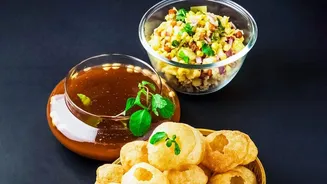
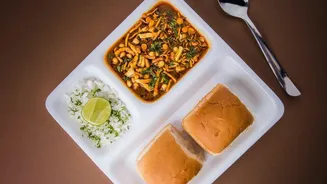
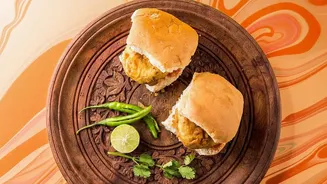
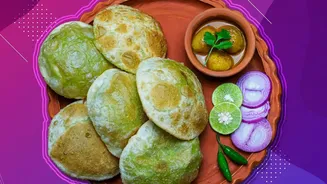
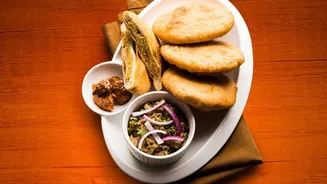
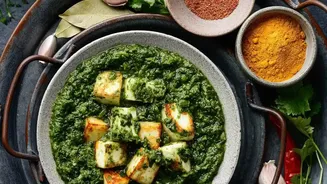
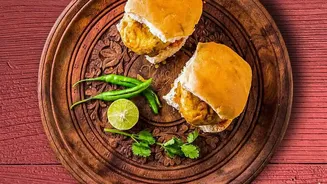
are driving a 'localism' mindset, seeking out brands that feel more connected to their cultural roots. This isn't just about nostalgia; it's about a desire for genuine, complex flavours over standardised, mass-produced meals. Local brands excel at this, offering everything from Chettinad specialities to rustic North Indian fare that tastes like it has a story. They tap into a deep-seated appreciation for regional diversity, providing an experience that feels both unique and familiar.
The Power of the Digital Dining Room
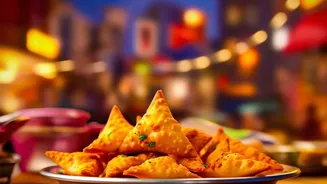
The internet has fundamentally levelled the playing field. Social media platforms like Instagram and Facebook have become powerful tools for brand building, allowing smaller, local players to compete with giants without needing massive advertising budgets. High-quality visual content of vibrant, appealing dishes can create viral buzz and drive foot traffic. Food bloggers and micro-influencers often champion local eateries, lending them credibility and reaching highly engaged audiences. Furthermore, the explosion of food delivery apps means a brand's reach is no longer limited by its physical seating capacity. These platforms have provided a distribution network that allows a new brand to reach thousands of homes, turning a small kitchen into a major player in the local market.
Smarter Economics and Agile Operations
Local brands often operate with a leaner business model, which became a significant advantage in the post-pandemic economy. Many organised quick-service restaurant (QSR) chains were more resilient during the pandemic due to strong digital and delivery capabilities. However, homegrown brands often have lower overheads and can adapt more quickly to changing market conditions. They can experiment with menus, respond to local feedback, and manage supply chains on a smaller, more manageable scale. This agility allows them to innovate faster. While international chains still dominate in sheer numbers, the growth among Indian-founded brands is steady, with many expanding into Tier-II and Tier-III cities where the demand for organised food service is rapidly growing.
The Health-Conscious and Value-Driven Consumer
Modern Indian diners are increasingly conscious of what they eat. There's a growing demand for fresh ingredients, healthier cooking methods, and transparency in sourcing. Local brands are often perceived as offering fresher and more trustworthy options compared to processed fast food. This aligns with a broader trend towards wellness and mindful consumption. At the same time, Indian consumers are famously value-conscious. They are willing to pay for quality, but they need to perceive a strong price-to-value ratio. Local brands are often positioned to deliver on this, offering authentic, high-quality food at a competitive price point, which resonates strongly with the middle class.