
Your First Stop: Official Trail Reports
Before you even lace up your boots, your first move should always be to check the official sources. Parks Canada and Alberta Parks are the definitive authorities on trail conditions. Their websites provide up-to-the-minute information on closures, warnings,
and trail status for national and provincial parks, respectively. These reports are not just suggestions; they detail critical safety information regarding everything from washed-out bridges to wildlife activity. Many popular trail apps are useful for reviews and stats, but they are not a substitute for the official bulletins issued by park authorities. Conditions in the mountains can change dramatically from morning to afternoon, so make checking these sites a daily habit during your trip.
Spring Thaw and Shoulder Season (April - June)
Spring in the Rockies is a season of dramatic transition. While lower elevation trails may start to become clear, higher alpine routes often remain buried under significant snow and ice well into June. This is a critical time to check for avalanche risk. Even on trails that seem clear at the bottom, avalanche paths from above can pose a serious danger. Parks Canada clearly marks trails that enter avalanche terrain, which should not be entered without proper training and equipment. Many popular summer hikes, like those around Lake Agnes, are unsafe during this period. Trails can also be extremely muddy from snowmelt, and some may be temporarily closed to prevent damage. Wildlife, including bears emerging from hibernation, are active, making it crucial to look for specific wildlife warnings.
Peak Summer Hiking (July - August)
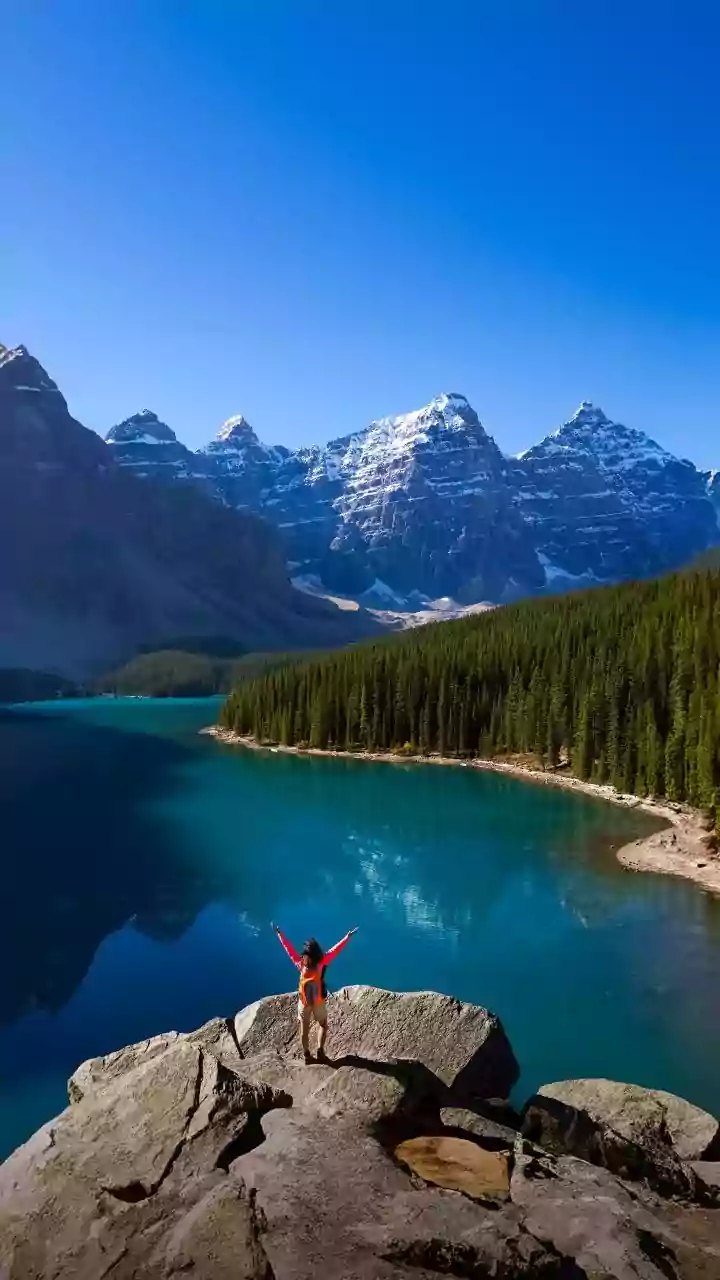
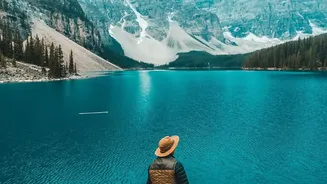
July and August are considered the prime hiking months, offering the widest access to the majority of trails, including high-alpine passes. Most routes are generally snow-free by mid-July. However, summer presents its own set of checks. This is peak season for visitors, which means parking lots at popular trailheads like Lake Louise and Moraine Lake fill up exceptionally early, often before sunrise. For some destinations, such as Moraine Lake, personal vehicle access is restricted year-round, making it essential to book a shuttle or commercial transport well in advance. Wildfire smoke can also impact air quality and visibility, so checking smoke forecasts is advisable. Always have a backup plan in case your intended trail is overcrowded or affected by smoke.
Autumn Gold and Early Snow (September - October)
September brings the spectacular, short-lived larch season, when subalpine larch trees turn a brilliant gold, typically peaking in the last two weeks of the month. This is an incredibly popular time, so all the advice about starting early and booking shuttles for places like Larch Valley still applies. The weather becomes highly unpredictable in the fall. Early season snowfalls are common at higher elevations, and trails can quickly become a mix of dry, muddy, and icy patches. It's also a critical time for wildlife. Bears are in their final push to find food before hibernation, a period known as hyperphagia, leading to more frequent trail closures and warnings. Elk rutting season also makes male elk particularly aggressive. Always check for wildlife advisories before heading out.
Winter Wonderland and Avalanche Risk (November - March)
In winter, the Rockies transform into a snowy landscape, and so do the trails. Most summer hiking routes become routes for snowshoeing or cross-country skiing. Access is the main thing to check. While some lower-elevation trails remain walkable, many are in serious avalanche terrain. A trail that is easy and safe in summer can be deadly in winter. Avalanche Canada provides daily forecasts that are essential reading. Do not venture into marked avalanche terrain without the proper skills (AST 1 course) and gear, including a transceiver, shovel, and probe. Many seasonal roads, like the main Moraine Lake Road, are closed, limiting access to certain trailheads. Always be prepared for extreme cold and shorter daylight hours.