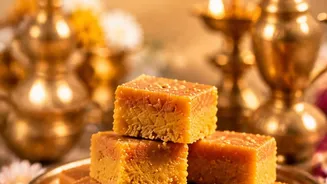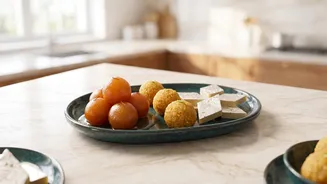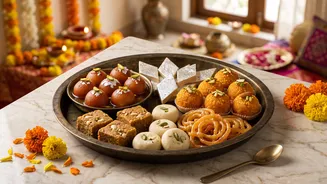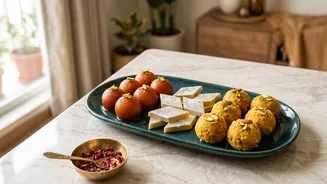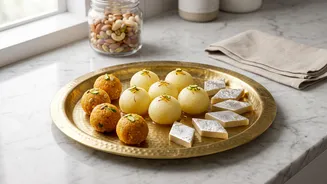





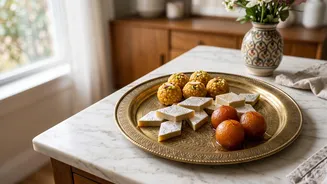

The Hidden Risks in Festive Treats
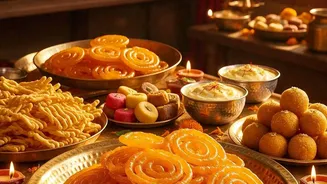
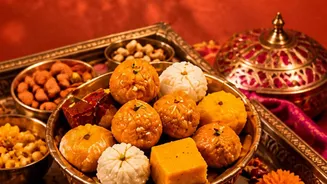
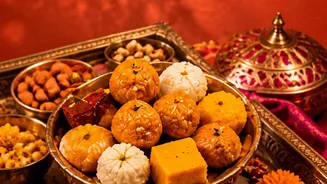
The festive season brings a massive surge in demand for sweets like peda, barfi, and gulab jamun. To keep up, some sellers unfortunately cut corners. Milk, the base for many Indian sweets, is a common target for adulteration. It might be bulked up with
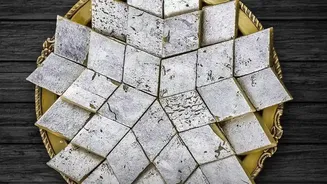
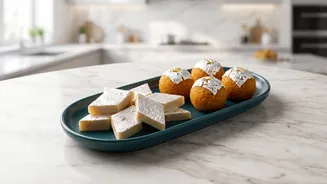
starch or, in more dangerous cases, contaminated with substances like urea and detergents to mimic thickness and colour. These adulterants can lead to stomach infections, digestive issues, and even long-term kidney problems. Beyond milk, some sweets get their vibrant, festive colours from non-food-grade chemical dyes, which can be harmful. Another common issue is the use of cheap, toxic aluminium foil instead of pure silver 'vark'. These practices, combined with poor storage in unhygienic conditions, can turn a festive delight into a serious health hazard.
Your First Clue: The Shop’s Appearance
Your food safety check should begin the moment you approach the counter. Take a good look around the shop. Is the general environment clean? Are floors swept and surfaces wiped down? A basic but crucial indicator is the presence of flies or other pests. If insects are buzzing around the sweets, it is a clear sign of inadequate sanitation. Observe how the sweets are displayed. Are they kept in clean trays, and are they covered to protect them from dust and contamination? Open dustbins, messy work areas, or peeling plaster on the walls are also red flags. A reputable seller will take pride in the cleanliness of their establishment, as it reflects their commitment to quality.
Examine the Sweets and Staff
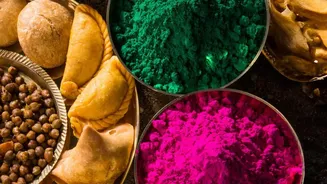
Once you've assessed the shop, turn your attention to the products and the people handling them. Unnaturally bright colours can be a sign of synthetic dyes being used. Also, pay attention to the staff's hygiene practices. Are they using gloves, especially when handling food? Or are they handling cash and then touching the sweets without washing their hands? This can easily transfer germs. Proper food handling is critical to prevent cross-contamination. Don't be afraid to ask questions. Inquire when the sweets were made. Many traditional milk-based sweets have a very short shelf life, sometimes only a day or two, and they spoil quickly if not stored at the correct temperature.
Look for the FSSAI License and Dates
The Food Safety and Standards Authority of India (FSSAI) has rules in place to protect consumers. A legitimate food business must display its FSSAI license or registration number. Looking for this certificate is a quick way to gauge if the seller is compliant with national food safety standards. Furthermore, FSSAI has directed sellers to display the 'manufacturing date' and 'best before' or 'use-by' date for all sweets, including those sold loose in trays. This rule was specifically implemented to ensure consumers can assess the freshness of products during high-demand festive periods. If a shop is not displaying these dates, it's a significant warning sign. Always check these dates before you purchase, as consuming expired sweets can lead to food poisoning.
Responding to the Festive Rush Safely
Every year ahead of Diwali, food safety departments conduct raids and inspections, often uncovering large quantities of adulterated khoya, paneer, and other raw materials. These crackdowns reveal a supply chain where ingredients are faked with starch, liquid glucose, and other cheap substitutes to increase bulk and profit margins. While these enforcement drives are crucial, they cannot check every single shop. This makes the consumer's role even more important. By being vigilant and choosing vendors who prioritize hygiene and transparency, you not only protect your own family but also support businesses that operate ethically. If a deal seems too good to be true, with unusually low prices for sweets, it is often a red flag for compromised quality.