






Nature’s Secret Ingredient: What is Mycelium?
At the heart of this green revolution is mycelium, the intricate, thread-like root network of fungi that grows underground. Think of it as nature's own glue. For millennia, it has played a crucial role in ecosystems by breaking down organic matter. Now,
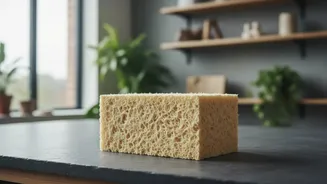
scientists and entrepreneurs have discovered that this natural binding power can be harnessed. When mycelium is introduced to a substrate of agricultural waste—like paddy straw, sugarcane bagasse, or sawdust—it grows through the material, binding the loose fibres together into a solid, durable composite. This process requires minimal energy and can create materials that are lightweight yet surprisingly strong.
Growing Buildings: The Process from Waste to Wall
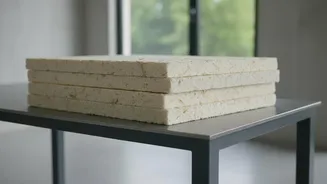
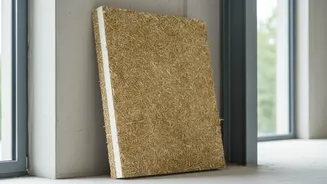
The transformation from farm surplus to building material is a feat of bio-manufacturing. It begins with collecting and sterilising agricultural residues to serve as a nutrient source for the fungi. This substrate is then inoculated with specific strains of mycelium and packed into moulds of the desired shape, such as bricks or insulation panels. Over several days, in a controlled environment with specific humidity and temperature, the mycelium colonises the substrate, forming a dense, interwoven mat. Once the material has grown to fill the mould, it is removed and heat-treated. This final step stops the fungal growth and ensures the final product is stable and inert. The result is a ready-to-use building material that is literally grown, not manufactured in a high-emission factory.
The Indian Innovators Leading the Charge
India's burgeoning startup ecosystem is beginning to embrace this technology. Companies are pioneering solutions that are uniquely tailored to the Indian context. For instance, Pune-based Roha.bio is upcycling sugarcane bagasse and other farm residues to create composites for packaging and construction. In Bangalore, Mycocycle is experimenting with banana stems and even temple flower waste to create insulation materials. Kerala's STEMPACK is using banana stems and paddy straw to create a replacement for thermocol. These efforts are not just happening in private labs; research institutions like IIT Madras are also developing mycelium-based composites, with one team founding a startup called NatureWrks Technologies to commercialise their innovations.
A Material of Many Talents
Mycelium-based insulation offers a host of benefits that make it a compelling alternative to conventional materials like fiberglass or plastic foam. Firstly, it is an excellent thermal and acoustic insulator, thanks to the tiny air pockets created by the fungal network. This means buildings using it require less energy for heating and cooling. The materials are also naturally fire-resistant and do not release toxic chemicals when exposed to flames. Perhaps most importantly, mycelium biocomposites are carbon-negative. They sequester the carbon that was stored in the agricultural waste, preventing its release into the atmosphere. At the end of its life, the material is fully biodegradable and can be composted, returning nutrients to the soil and contributing to a circular economy.
Challenges on the Path to Scale
Despite its immense potential, the road to widespread adoption has its hurdles. One of the main challenges is scalability and cost-competitiveness. While the raw materials are cheap, the process of growing mycelium requires controlled conditions, which can make large-scale production a logistical challenge compared to mass-produced synthetic materials. Another significant barrier is the lack of structural strength for load-bearing applications; currently, mycelium is best suited for non-structural uses like insulation and panels. Furthermore, the construction industry is often slow to adopt new materials, and building codes in India do not yet have standards for fungal-based materials, which can slow down mainstream acceptance.