




A Return to Roots
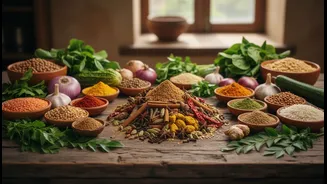
For years, the pinnacle of dessert menus in urban India often featured Western classics—cheesecakes, tiramisus, and brownies. But a new wave of culinary creativity is shifting the focus inwards. Chefs and home bakers are championing indigenous ingredients,
celebrating the immense biodiversity of India's farms and forests. This movement isn't about simply replacing ingredients; it's a fundamental reimagining of what dessert can be. It’s a trend driven by a desire for sustainability, a focus on health, and a renewed pride in local food traditions. By using local produce, chefs not only reduce their carbon footprint but also support small-scale farmers and preserve India's agricultural heritage.
The Rise of Ancient Grains
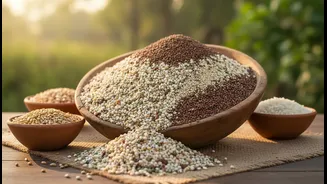
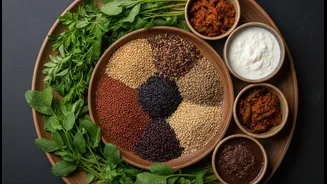
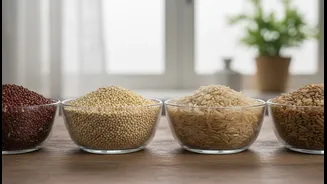
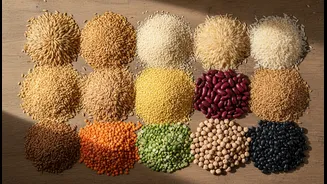
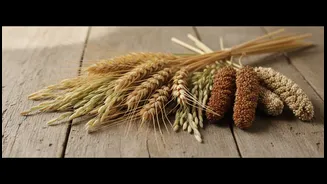
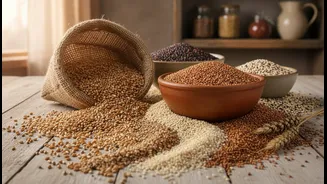
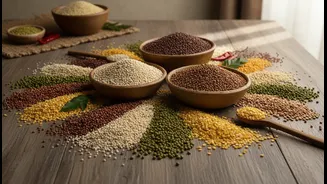
Millets like ragi (finger millet), jowar (sorghum), and bajra (pearl millet) are stepping out of the shadows of roti and khichdi and into the spotlight of modern patisserie. No longer just 'forgotten grains', they are being celebrated for their nutritional benefits, gluten-free properties, and unique, earthy flavours. Pastry chefs are crafting everything from dense, dark chocolate ragi cakes and bajra carrot cakes to delicate jowar apple crumbles and millet-based cookies. These grains lend a satisfying texture and a deeper, more complex flavour profile that refined flour simply cannot match, turning familiar treats into nutrient-rich indulgences.
The Makhana Makeover
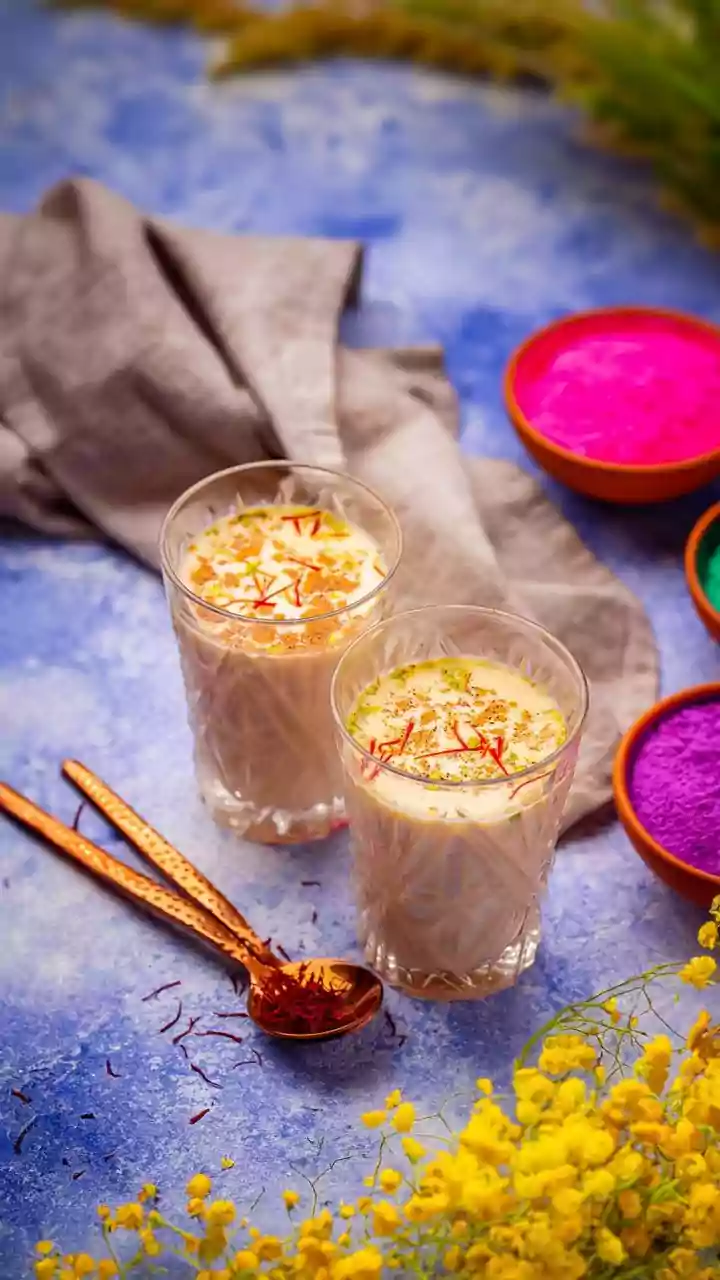
The humble makhana, or fox nut, has undergone a gourmet transformation. Traditionally eaten roasted or used in kheer, this superfood is now a star ingredient in a variety of modern desserts. Its neutral flavour and ability to create a creamy, silky texture when blended makes it an ideal, healthy substitute for cream or nut butters in mousses and smoothies. Creative bakers are using makhana flour to make light, airy burfis that are a fusion of kaju katli and coconut sweets. Others are creating healthy, guilt-free 'rabdi' by blending makhana with fruits and milk, offering a nutritious take on a classic Indian dessert.
A Fruit-Forward Philosophy
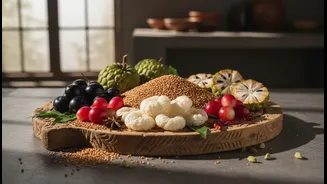
While mango has always been the king of summer, chefs are now exploring the potential of other native fruits. Hyper-local and seasonal produce like tadgola (ice apple), jamun (Java plum), bael (wood apple), and shehtoot (Indian mulberry) are finding their way into innovative dessert menus. These fruits, once just memories of childhood summers, are now being transformed into sophisticated sorbets, sundaes, and cheesecakes. For example, Chef Varun Totlani of Masque in Mumbai creates a sorbet with prickly pear and tadgola, showcasing how indigenous fruits can be the heroes of fine-dining dessert courses. This trend not only introduces diners to unique flavours but also celebrates the fleeting beauty of seasonal produce.
The Future is Local
This embrace of regional ingredients is more than a fleeting trend; it's a movement towards a more sustainable and authentic Indian culinary identity. Culinary schools are now teaching sustainable sourcing and waste reduction, preparing a new generation of chefs to think locally. Even in the world of chocolate, chocolatiers are moving beyond European templates, infusing their creations with distinctly Indian flavours like Kashmiri kahwa, sakkarai pongal, and even fiery chillies like dalle khursani from Sikkim. This shift demonstrates that indulgence and mindful craftsmanship can go hand-in-hand.