


Go Beyond Boiling and Sautéing
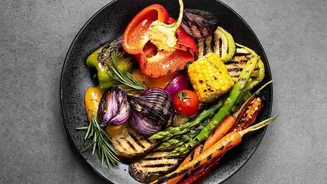
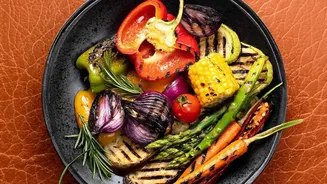
The way you cook a vegetable fundamentally changes its flavour and personality. While a quick sauté or pressure cook is efficient, exploring other methods can unlock new dimensions. Roasting, for example, is a game-changer. High, dry heat caramelises
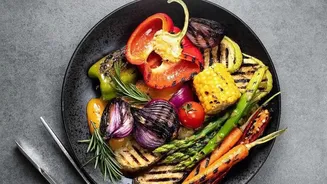
the natural sugars in vegetables like carrots, sweet potatoes, and cauliflower, creating a deep, nutty sweetness that steaming or boiling simply cannot replicate. Grilling or charring imparts a smoky flavour that works wonders on everything from capsicum and brinjal to corn. For a lighter touch, steaming preserves the nutrient content and vibrant colour of vegetables, which can then be tossed in a flavourful dressing. Another technique is blanching—a quick dip in boiling salted water followed by a shock in ice water. This method is excellent for green beans or peas, keeping them crisp, bright, and ready for a simple tadka or salad.
Master the Art of Seasoning
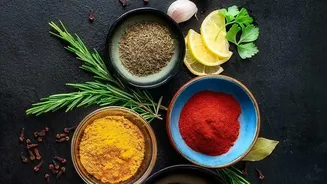
Spices are central to Indian cooking, but effective seasoning goes beyond your masala dabba. Think about building layers of flavour. Acidity is crucial for brightness. A simple squeeze of lemon juice or a pinch of amchur (dry mango powder) at the end of cooking can lift an entire dish, cutting through richness and making the flavours pop. Fresh herbs also play a vital role. Instead of only using dried spices, finish your bhindi or lauki with a handful of fresh coriander, mint, or dill. The freshness provides a contrast to the cooked spices. Don't forget about fat as a flavour carrier. A final drizzle of good-quality ghee, a tadka of mustard seeds and curry leaves in coconut oil, or even a nutty sesame oil can completely transform a simple steamed vegetable. Experiment with combining sweet, sour, salty, and spicy elements to create a balanced and memorable dish every time.
Texture is Everything
A meal can be technically well-cooked and seasoned, but if everything has the same soft texture, it becomes monotonous. Creating textural contrast is the secret of professional chefs and one of the easiest ways to make your home cooking more exciting. A simple, mushy gourd dish can be elevated with a garnish of fried onions, toasted peanuts, or crunchy sesame seeds. A creamy palak paneer is made more interesting with a crisp, flaky paratha. Think about adding a crunchy element to every soft dish. This could be as simple as not overcooking your vegetables, leaving a slight bite in your carrots or beans. You can also incorporate raw elements, like a kachumber salad served alongside a cooked sabzi, for a burst of freshness and crunch. Even the way you cut your vegetables can make a difference; thinly sliced bhindi will cook up crispier than thick rounds.
Putting It All Together, Season by Season
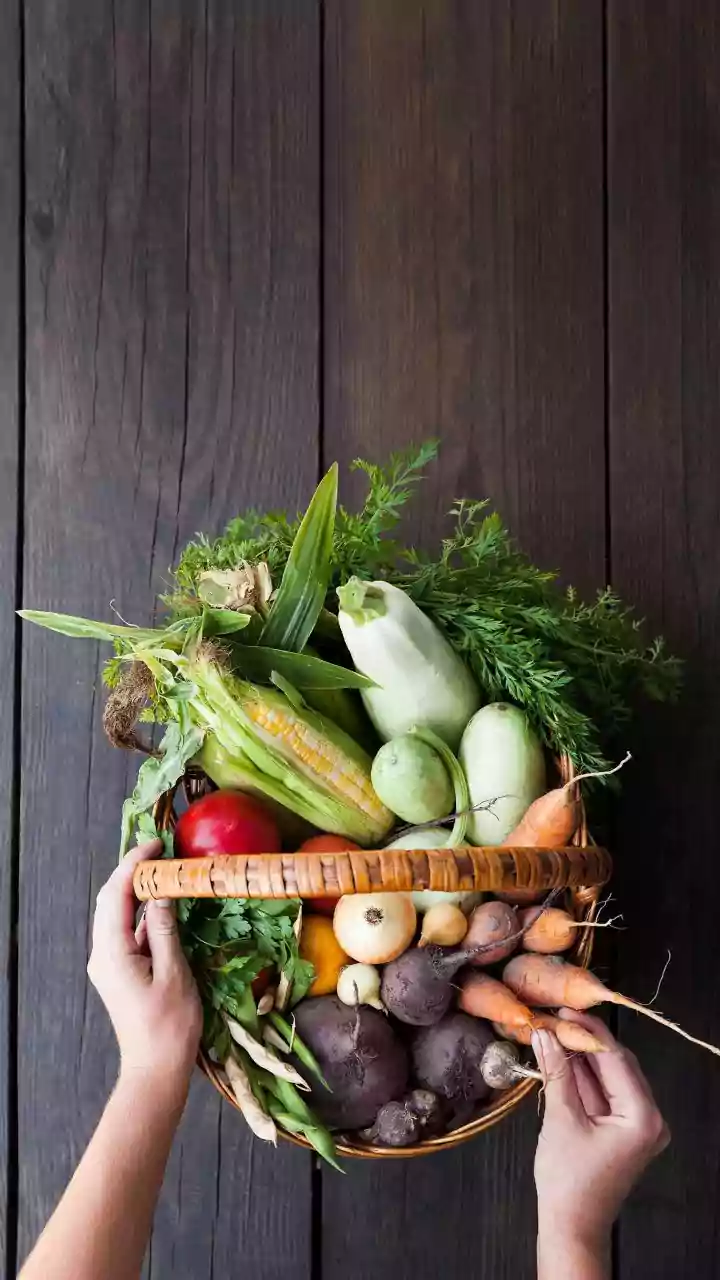
Applying these principles to seasonal produce ensures you’re getting the best flavour at the best price. In winter, take advantage of root vegetables and leafy greens. Roast carrots and beetroots with rosemary and a pinch of salt to bring out their sweetness. Quickly stir-fry vibrant greens like spinach and fenugreek (methi) with garlic and a squeeze of lime to retain their freshness. During the hot summer months, gourds like lauki and bitter gourd (karela) are abundant. Try grilling slices of lauki for a smoky flavour, or stuff karela with a spicy, nutty filling to balance its bitterness and add texture. The monsoon brings vegetables like lady's finger (bhindi) and cluster beans (gawar). For perfectly non-slimy bhindi, ensure it's completely dry before cooking and sauté it on high heat. Pair cluster beans with toasted coconut and peanuts for a delightful textural play.