




The Power Trio: Ginger, Garlic, and Turmeric
This trifecta is the cornerstone of monsoon wellness in many Indian kitchens. Ginger is prized for its ability to soothe the throat and aid digestion, which is often sluggish during this season. Garlic contains allicin, a compound known to enhance the immune
response of white blood cells against common viruses. Turmeric, with its active compound curcumin, is a potent anti-inflammatory and antioxidant powerhouse that helps the body fend off infections. A recent recommendation from nutritionist Rashi Chowdhary highlights a simple combination of turmeric root, black pepper, and ghee to help regulate immunity and reduce inflammation. Adding these spices generously to your daily cooking, from dals to vegetable stir-fries, is a simple first step towards a healthier monsoon.
Embrace Light and Easy Gourds
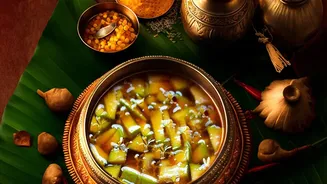
Ayurveda recommends eating foods that are light and easy to digest during the 'Varsha Ritu' or rainy season. Seasonal gourds like bottle gourd (lauki), ridge gourd (turai), and bitter gourd (karela) fit this profile perfectly. Lauki is hydrating and gentle on the stomach, while bitter gourd, despite its taste, is valued for its blood-purifying and antimicrobial properties. These vegetables are low in calories and grow above ground, reducing the risk of contamination common with root vegetables during this time. Instead of heavy, oily preparations, try them in simple soups, dals, or light stir-fries to get their full benefits.
The Magic of Moong Dal
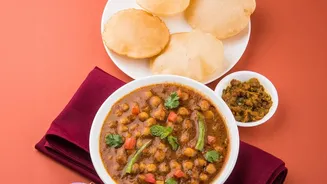
If there is one superfood for the monsoon, it's moong dal. Considered one of the most digestible lentils in Ayurveda, it is an excellent source of plant-based protein, fibre, and essential nutrients. A warm bowl of khichdi, made with moong dal and rice, is the ultimate comfort food and a complete meal that is incredibly easy on a weakened digestive system. It provides sustained energy without making you feel heavy or lethargic. Beyond khichdi, moong dal can be used to make light soups, chillas (savoury pancakes), or simply served as a watery dal with rice.
Sip on Immunity-Boosting Brews
The damp and cool weather calls for warm, comforting drinks that do more than just hydrate. Herbal teas and 'kadhas' are excellent for keeping coughs, colds, and sore throats at bay. A simple tea brewed with ginger, tulsi (holy basil), cinnamon, and black pepper can work wonders for respiratory health and boosting immunity. Another classic Indian remedy is 'haldi doodh' or golden milk, a soothing blend of warm milk, turmeric, and a pinch of black pepper to aid absorption. These drinks not only provide warmth but also help flush out toxins from the body.
Choose Your Fruits Wisely
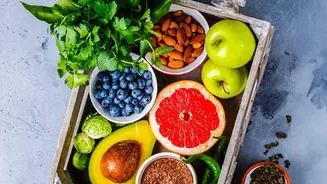
While it's tempting to consume a wide variety of fruits, the monsoon calls for a more selective approach. Experts suggest opting for seasonal fruits like jamun, pears, plums, and pomegranates. These fruits are rich in antioxidants and Vitamin C, which are crucial for a strong immune system. It is generally recommended to avoid fruits with very high water content, like watermelon, and to ensure all fruits are washed thoroughly before consumption. Favouring fruits with a peel that you can remove is often a safer choice during this season of heightened risk for water-borne contaminants.
The Role of Wholesome Grains
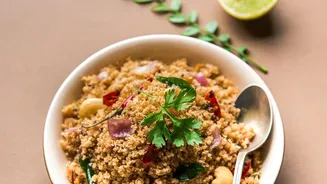
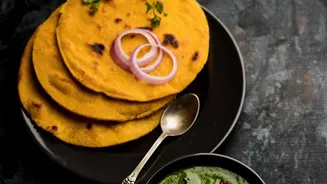
During the monsoon, Ayurveda suggests consuming old grains like barley and wheat, which are considered lighter and easier to digest than newly harvested ones. Millets have also made a comeback as a nutrient-dense choice perfect for the rainy season. These grains provide essential fibre and energy. Pairing them with light vegetable stews and dals creates a balanced meal that supports the digestive fire, or 'Agni', which is believed to be weaker during this time. Simple, home-cooked rotis made from Khapli wheat or millet flour can be a great addition to your monsoon diet.